Với hơn 10 năm kinh nghiệm về vận chuyển khí nén, Headpowder Sơn Đông cung cấp hệ thống, thiết bị và quạt gió toàn chuỗi, đảm nhận các dự án kỹ thuật bột trọn gói trên toàn quốc.
For industrial applications that rely on limestone powder, selecting the right conveying method is crucial for efficiency, safety, and cost-effectiveness. Limestone powder, a key raw material in various industries such as construction, agriculture, and chemical manufacturing, requires specialized handling due to its fine particle size and potential for dust generation. Traditional methods like belt conveyors or bucket elevators may struggle with the challenges posed by limestone powder, making pneumatic conveying an increasingly popular solution. This article explores common limestone powder conveying methods, with a focus on the advantages and applications of pneumatic conveying systems.
Overview of Limestone Powder Conveying Methods
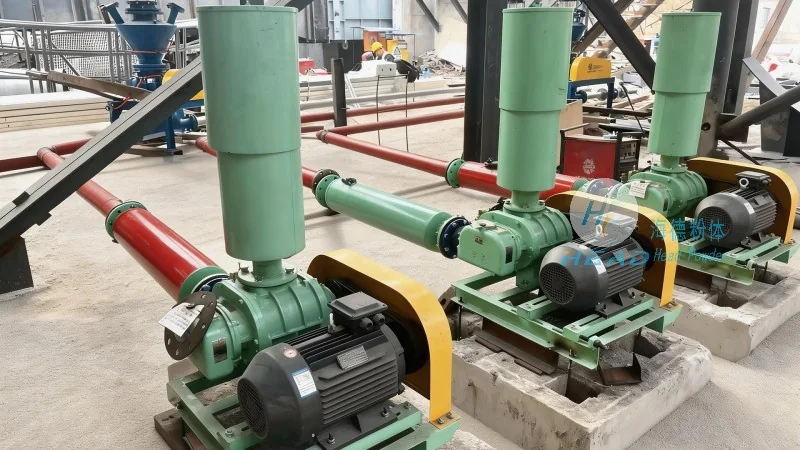
Limestone powder, also known as calcium carbonate powder, is widely used in industries for its alkaline properties and ability to neutralize acids. The primary goal of conveying this material is to transport it from storage silos or processing units to the point of use, such as in cement production, paper manufacturing, or water treatment. Several methods are employed for limestone powder transport, each with its own set of advantages and limitations. The most common approaches include mechanical conveying systems and pneumatic conveying systems.
Traditional Mechanical Conveying Systems
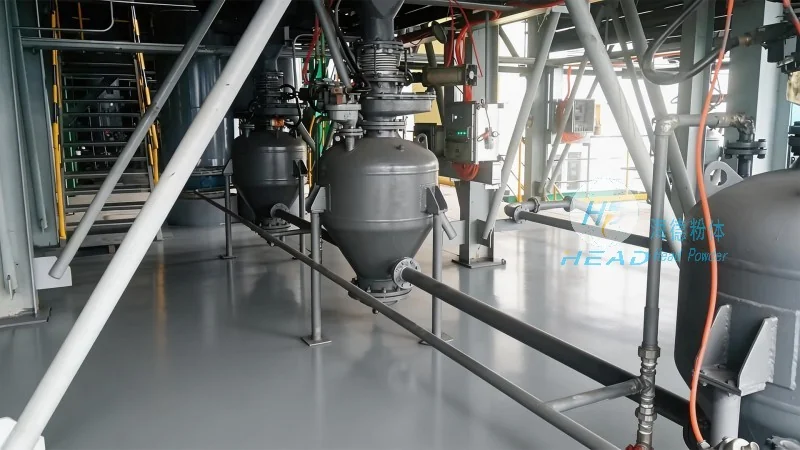
Traditional mechanical conveying methods, such as belt conveyors, screw conveyors, and bucket elevators, have been used for decades in material handling. These systems are generally effective for bulk materials but present challenges when handling fine powders like limestone. Belt conveyors, for example, can cause material buildup and blockages due to the fine particle size, leading to increased maintenance and downtime. Screw conveyors, while suitable for some powders, may experience issues with clogging and material degradation, especially if the powder is hygroscopic or has a high moisture content. Bucket elevators are often used for vertical transport but can be inefficient for fine powders, as they may not provide sufficient air flow to prevent dust accumulation and material loss.
Pneumatic Conveying Systems: The Preferred Solution for Limestone Powder
Pneumatic conveying, or air-assisted transport, is emerging as the preferred method for limestone powder due to its ability to handle fine particles efficiently while minimizing dust and material loss. This system uses a combination of air flow and pressure to move the powder through a pipeline. There are two main types of pneumatic conveying systems: pressure and vacuum. Pressure systems use compressed air to push the material through the pipeline, while vacuum systems use a vacuum to draw the material into the pipeline.
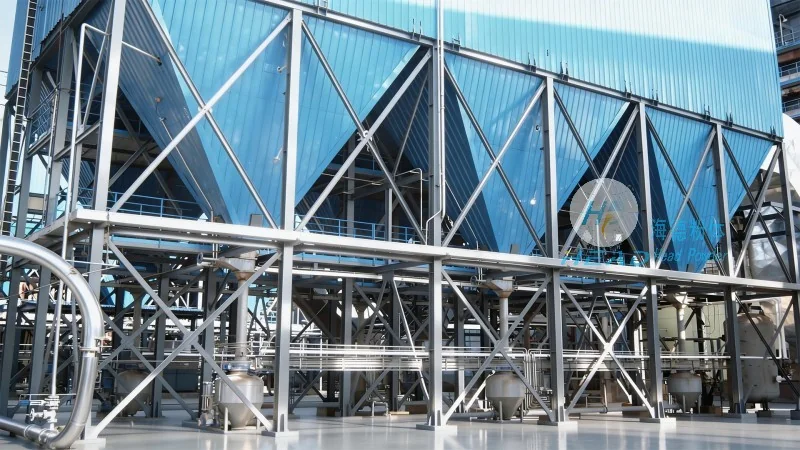
Key Components of a Limestone Powder Pneumatic Conveying System
A typical limestone powder pneumatic conveying system consists of several key components that work together to ensure efficient and reliable transport. The main components include a hopper or silo for material storage, a feeder to control the flow of powder into the system, a conveyor line (usually made of stainless steel or other corrosion-resistant materials to handle the alkaline nature of limestone), a filter or dust collector to capture any airborne particles, and a blower or compressor to provide the necessary air pressure or vacuum. The hopper is designed with a sloped bottom to prevent material bridging and ensure consistent flow. The feeder, often a rotary valve or a screw feeder, regulates the amount of powder entering the conveyor line, preventing overloading and maintaining a steady flow rate. The conveyor line is typically made of stainless steel or plastic, with smooth interior surfaces to minimize friction and prevent material buildup. The filter or dust collector is crucial for maintaining air quality and preventing dust from escaping into the environment. It may include a bag filter or an electrostatic precipitator, depending on the system's design. The blower or compressor provides the necessary air pressure or vacuum to move the powder through the pipeline. The system is also equipped with pressure relief valves and flow meters to monitor and control the system's performance.
Advantages of Pneumatic Conveying for Limestone Powder
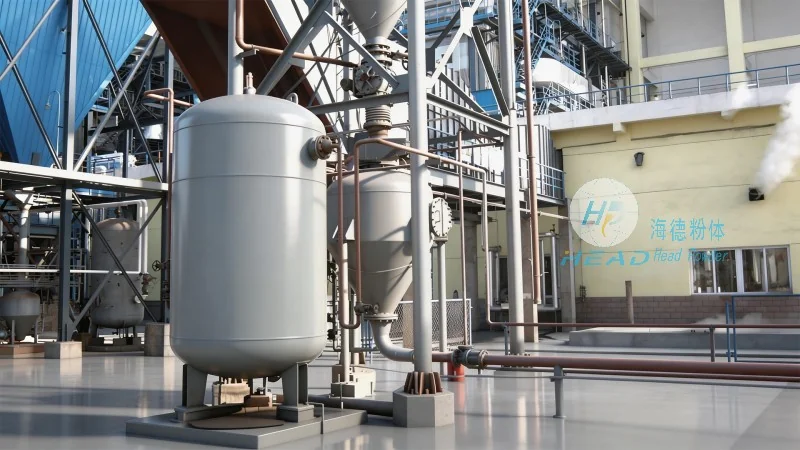
There are several advantages to using pneumatic conveying for limestone powder. First, it is highly efficient in transporting fine particles over long distances without the need for multiple transfer points. This reduces the risk of material loss and contamination. Second, pneumatic systems are more hygienic and easier to clean compared to mechanical systems, which is important in food and pharmaceutical applications where limestone powder may be used as an additive. Third, pneumatic conveying can handle varying flow rates and material properties, making it adaptable to different production needs. Fourth, the system is less prone to clogging and blockages compared to mechanical systems, as the air flow helps to keep the material moving. Finally, pneumatic conveying systems are more energy-efficient than mechanical systems, as they use less power to transport the same amount of material over the same distance.
Applications of Limestone Powder Pneumatic Conveying
Limestone powder pneumatic conveying systems are used in a variety of industries where fine limestone powder is required. In the construction industry, limestone powder is used as a raw material in cement production and as a filler in concrete. Pneumatic conveying systems are used to transport limestone powder from storage silos to the cement production line, ensuring a consistent and efficient supply of material. In the paper industry, limestone powder is used as a filler and coating agent in paper production. Pneumatic conveying systems are used to transport the powder from storage to the paper machine, where it is added to the paper stock. In the chemical industry, limestone powder is used as a raw material in the production of calcium carbonate and other chemicals. Pneumatic conveying systems are used to transport the powder from storage to the chemical production line, ensuring a steady supply of material. In the agriculture industry, limestone powder is used as a soil amendment to improve soil quality and pH levels. Pneumatic conveying systems are used to transport the powder from storage to the agricultural fields, where it is applied to the soil.

 Shandong Headpowder Engineering Co., Ltd.
 156-6277-7102(Quản lý Trương)
  0531-83386006
  Thành phố Tế Nam, Tỉnh Sơn Đông, Trung Quốc
Điện thoại
WeChatTư vấn
Lên đầu