Với hơn 10 năm kinh nghiệm về vận chuyển khí nén, Headpowder Sơn Đông cung cấp hệ thống, thiết bị và quạt gió toàn chuỗi, đảm nhận các dự án kỹ thuật bột trọn gói trên toàn quốc.
Steel grit, a critical component in surface treatment processes such as shot blasting, requires efficient and reliable transportation from storage to processing equipment. The choice of conveying method directly influences operational efficiency, material handling expenses, and overall system longevity. This article examines the primary steel grit conveying methods, with a particular emphasis on the advantages and features of pneumatic conveying, a leading technology in modern material handling systems, offered by Shandong HeadPowder Engineering Co., Ltd.
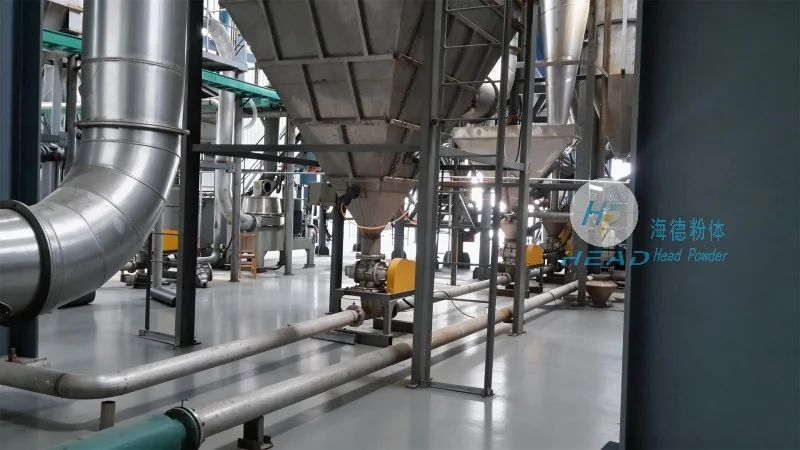
Overview of Steel Grit Conveying Methods
Steel grit, characterized by its abrasive properties and high density, demands specialized conveying solutions to prevent equipment wear and ensure consistent material flow. The main methods for steel grit transportation include mechanical conveyors, pneumatic conveying systems, and hydraulic systems. Each method has distinct characteristics, making the selection based on factors like material characteristics, system layout, and operational requirements.
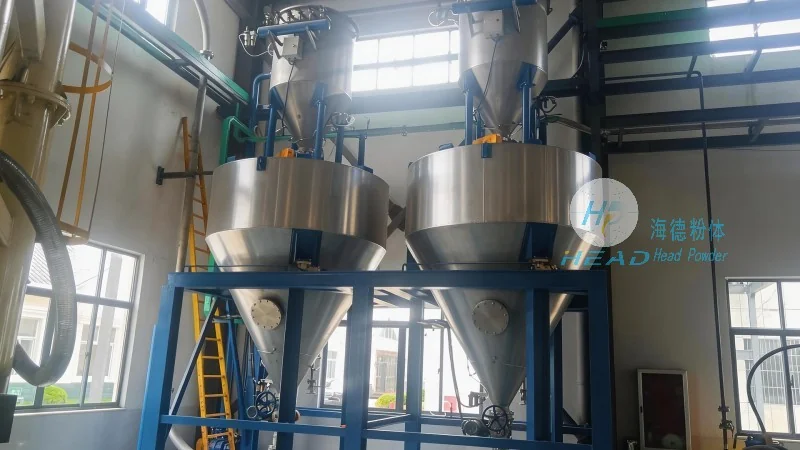
Traditional Mechanical Conveying Systems
Traditional mechanical conveyors, including belt conveyors, screw conveyors, and bucket elevators, have been widely used for bulk material handling. These systems rely on mechanical components to move steel grit through the process. However, they face significant challenges when handling abrasive materials like steel grit. The continuous contact between the material and conveyor components leads to rapid wear, increasing maintenance costs and reducing system lifespan. Additionally, mechanical conveyors are often limited in their ability to handle long distances or complex routes, which can complicate system design and installation.
Pneumatic Conveying Systems: The Superior Solution for Steel Grit
Pneumatic conveying, or air conveying, utilizes compressed air to transport steel grit through a pipeline network. This technology offers several advantages over traditional mechanical methods, making it the preferred choice for industries dealing with abrasive materials. The key benefits of steel grit pneumatic conveying include enhanced durability, reduced maintenance, and efficient material transport.
Advantages of Steel Grit Pneumatic Conveying
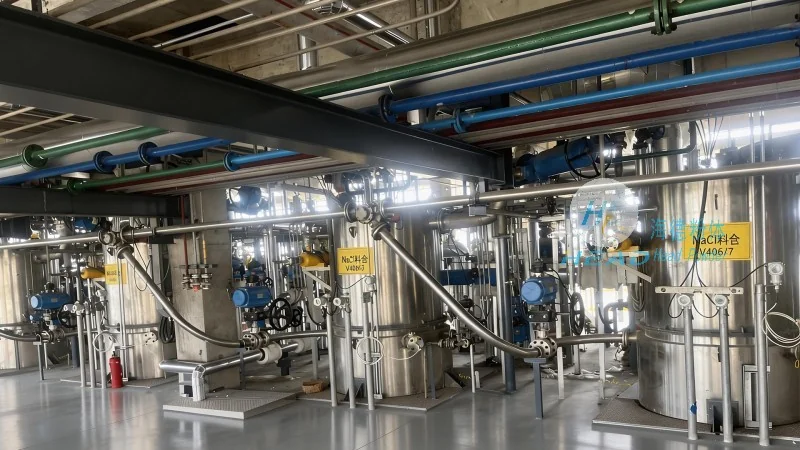
The primary advantage of pneumatic conveying for steel grit is its ability to handle abrasive materials with minimal wear. Unlike mechanical conveyors that experience significant wear from the abrasive nature of steel grit, pneumatic systems employ flexible hoses or rigid pipes with internal coatings or specialized materials to resist abrasion. This reduces maintenance costs and extends the operational life of the conveying system. For example, high-quality stainless steel or wear-resistant alloys are often used for the internal surfaces of conveying pipes to withstand the constant impact of steel grit particles.
Another significant advantage is the high efficiency and speed of material transport. Pneumatic systems can move steel grit over long distances and through complex layouts with minimal time delays. The use of compressed air allows for rapid and continuous material transfer, which is essential for maintaining production throughput in high-demand industrial settings. This efficiency is particularly critical in shot blasting operations, where consistent and uninterrupted material supply is necessary to ensure uniform surface treatment.
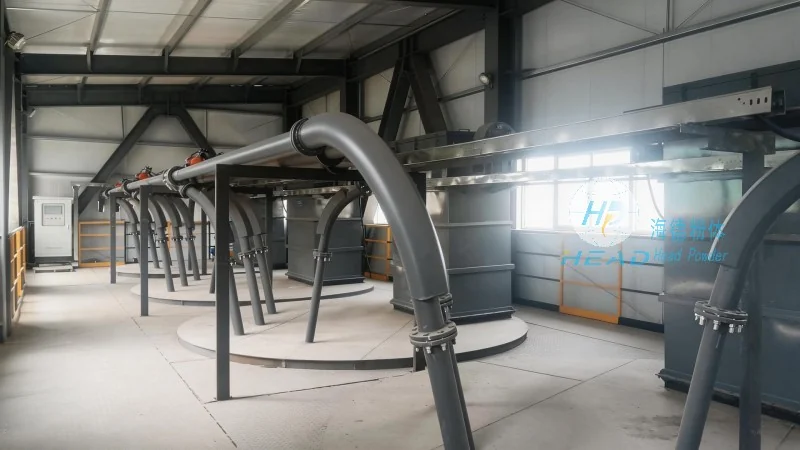
Furthermore, pneumatic conveying systems offer improved safety and environmental control. By transporting materials in a closed pipeline system, the risk of dust exposure and material contamination is significantly reduced. This is crucial for steel grit, which can cause respiratory issues and environmental pollution if not handled properly. The enclosed system also helps in maintaining a clean and controlled environment, which is vital for quality control in surface treatment processes. For instance, in food processing or pharmaceutical industries, where material purity is paramount, pneumatic conveying ensures that steel grit remains free from contaminants.
Key Features of Steel Grit Pneumatic Conveying Systems
Modern steel grit pneumatic conveying systems are equipped with advanced features that enhance their performance and reliability. These features include:
1. Variable Air Flow Control: Systems are designed with adjustable air flow rates to optimize material transport efficiency. This allows operators to fine-tune the conveying process based on material characteristics and system requirements. For instance, higher air pressure is used for longer distances or more abrasive materials, while lower pressure is used for shorter distances or less abrasive materials.

 Shandong Headpowder Engineering Co., Ltd.
 156-6277-7102(Quản lý Trương)
  0531-83386006
  Thành phố Tế Nam, Tỉnh Sơn Đông, Trung Quốc
Điện thoại
WeChatTư vấn
Lên đầu