Với hơn 10 năm kinh nghiệm về vận chuyển khí nén, Headpowder Sơn Đông cung cấp hệ thống, thiết bị và quạt gió toàn chuỗi, đảm nhận các dự án kỹ thuật bột trọn gói trên toàn quốc.
Soil conveying is a critical process in various industries, including construction, mining, and environmental remediation. The efficient and effective transportation of soil is essential for project success, as it directly impacts workflow efficiency, safety, and overall project outcomes. Traditional methods of soil transportation, such as manual handling or mechanical conveyors, often present challenges related to labor intensity, environmental impact, and operational flexibility. In response to these challenges, modern soil conveying technologies have evolved, with pneumatic conveying emerging as a preferred solution for many applications.
Different Soil Conveying Methods and Their Limitations
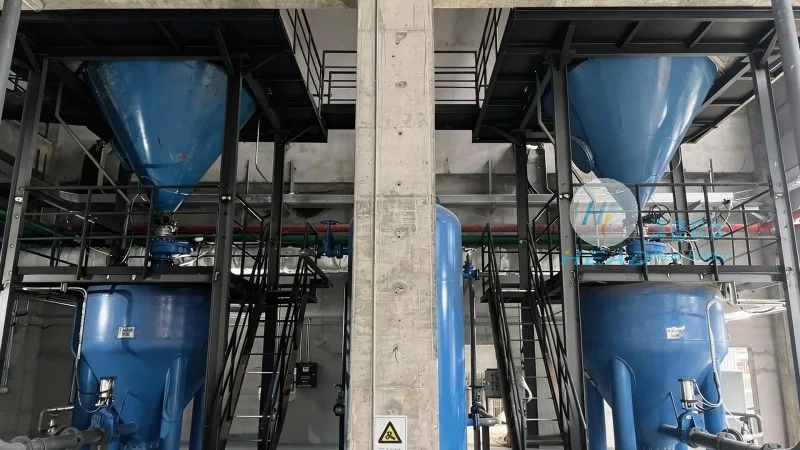
Several methods are commonly used for soil transportation, each with its own set of advantages and drawbacks. Mechanical conveyors, like belt conveyors or screw conveyors, are widely used but can be limited by their fixed routes and the need for regular maintenance. These systems are often less flexible and may not be suitable for long-distance or complex layouts. Manual handling, while cost-effective for small-scale operations, is labor-intensive and poses significant safety risks, especially when dealing with heavy or contaminated soil. Additionally, manual methods are inefficient for large volumes and can lead to environmental contamination if proper containment measures are not in place.
The Advantages of Pneumatic Conveying for Soil Transport
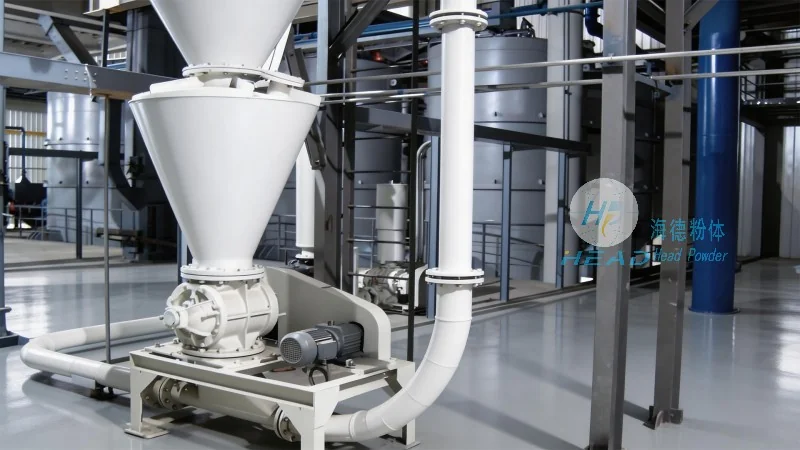
Pneumatic conveying, also known as air-based or gas-driven transport, offers a range of benefits that address the limitations of traditional methods. This technology uses compressed air to move soil particles through a pipeline system, eliminating the need for mechanical components like belts or screws. The key advantages of pneumatic conveying for soil transport include enhanced flexibility, as it can be easily reconfigured to accommodate changes in project layout or workflow. It also provides a high degree of safety, as the system is enclosed, reducing the risk of exposure to dust or contaminants. Furthermore, pneumatic conveying is highly efficient for both short and long distances, with the ability to transport soil over several hundred meters without significant loss of pressure or material. This makes it ideal for applications where traditional conveyors are impractical or uneconomical.
Key Features and Technical Advantages of Pneumatic Soil Conveying
One of the most significant features of pneumatic soil conveying is its ability to handle a wide range of soil types, from fine powders to larger granules. The system can be customized with different air velocities and pipeline diameters to optimize performance for specific soil characteristics. This adaptability ensures that the conveying process is efficient and minimizes material degradation or segregation. Another important advantage is the reduced environmental impact. Unlike mechanical conveyors that may generate dust or require large amounts of water for cooling, pneumatic systems operate with minimal external emissions and can be designed to capture and filter any airborne particles, ensuring compliance with environmental regulations. The enclosed nature of the system also helps in maintaining the quality of the soil, preventing contamination from external sources and preserving its integrity for subsequent processing or disposal.
About Shandong HeadPowder Engineering Co., Ltd.
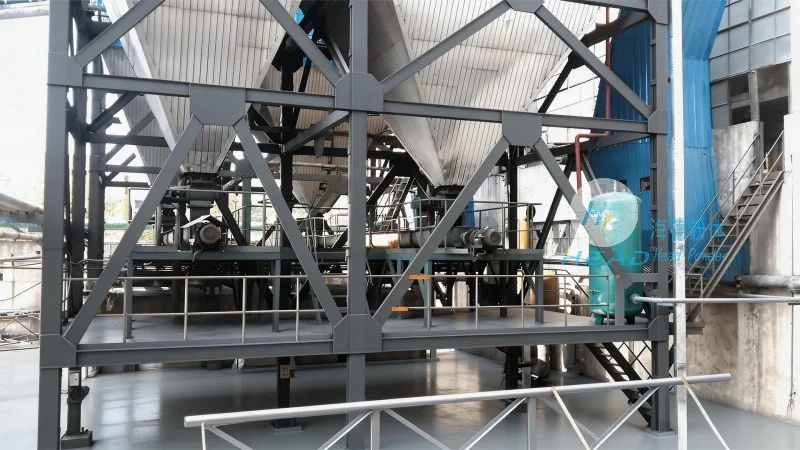
Shandong HeadPowder Engineering Co., Ltd., commonly known as HeadPowder, is a leading provider of advanced soil conveying solutions. With a focus on innovation and customer-centric design, HeadPowder specializes in developing and manufacturing high-quality pneumatic conveying systems tailored to the unique needs of the construction, mining, and environmental sectors. The company's expertise lies in creating customized solutions that enhance operational efficiency, improve safety, and reduce environmental impact. HeadPowder's products are engineered to meet the most demanding requirements, ensuring reliable and consistent performance in challenging conditions. By leveraging cutting-edge technology and rigorous quality control, HeadPowder delivers solutions that help clients achieve their project goals while maintaining compliance with industry standards and regulations.
Conclusion: The Future of Soil Conveying with Pneumatic Technology
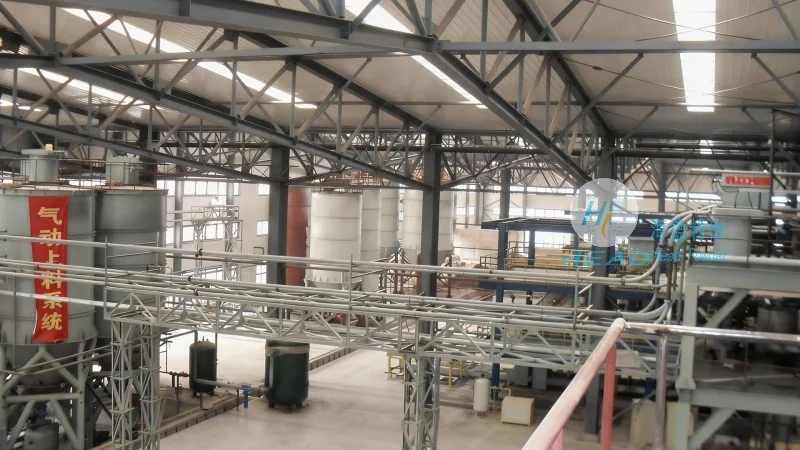
As industries continue to seek more efficient and sustainable methods for soil transportation, pneumatic conveying stands out as a versatile and effective solution. Its ability to address the limitations of traditional methods, combined with its flexibility and environmental benefits, makes it an ideal choice for modern projects. Shandong HeadPowder Engineering Co., Ltd. remains at the forefront of this technology, providing advanced solutions that meet the evolving needs of the market. By investing in pneumatic soil conveying systems, companies can enhance their operational capabilities, improve safety, and contribute to a more sustainable approach to soil management. The future of soil conveying lies in the continued development and application of such innovative technologies, and HeadPowder is committed to leading this evolution.

 Shandong Headpowder Engineering Co., Ltd.
 156-6277-7102(Quản lý Trương)
  0531-83386006
  Thành phố Tế Nam, Tỉnh Sơn Đông, Trung Quốc
Điện thoại
WeChatTư vấn
Lên đầu