Với hơn 10 năm kinh nghiệm về vận chuyển khí nén, Headpowder Sơn Đông cung cấp hệ thống, thiết bị và quạt gió toàn chuỗi, đảm nhận các dự án kỹ thuật bột trọn gói trên toàn quốc.
Titanium dioxide (TiO₂) is a crucial industrial material widely used in various applications such as pigments, coatings, and cosmetics. The efficient and safe transportation of TiO₂ from production sites to processing or packaging facilities is essential for maintaining product quality and operational efficiency. This article explores the common methods of TiO₂ conveying and focuses on the advantages and features of pneumatic conveying, a widely adopted technique in the industry.
About the Company: Shandong HeadPowder Engineering Co., Ltd.
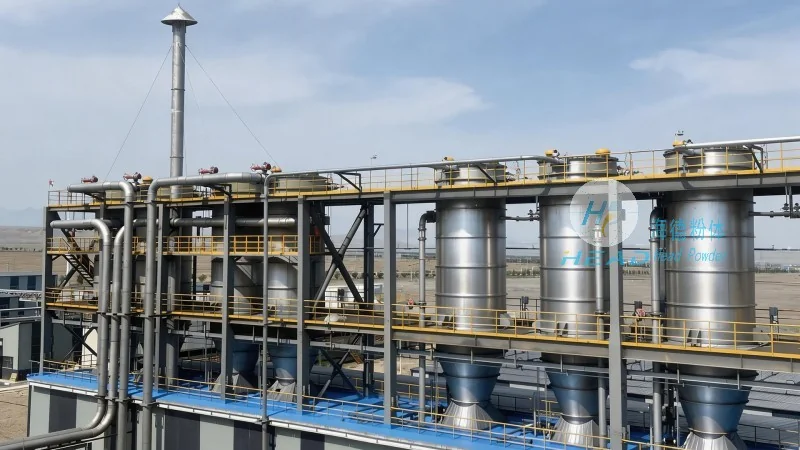
Shandong HeadPowder Engineering Co., Ltd., commonly known as HeadPowder, is a leading manufacturer and supplier of advanced material handling solutions. With a strong commitment to innovation and quality, HeadPowder specializes in designing and providing customized conveying systems tailored to the specific needs of clients in the chemical and material processing sectors. The company's headquarters is located in Shandong, China, where it operates a state-of-the-art research and development center and production facility.
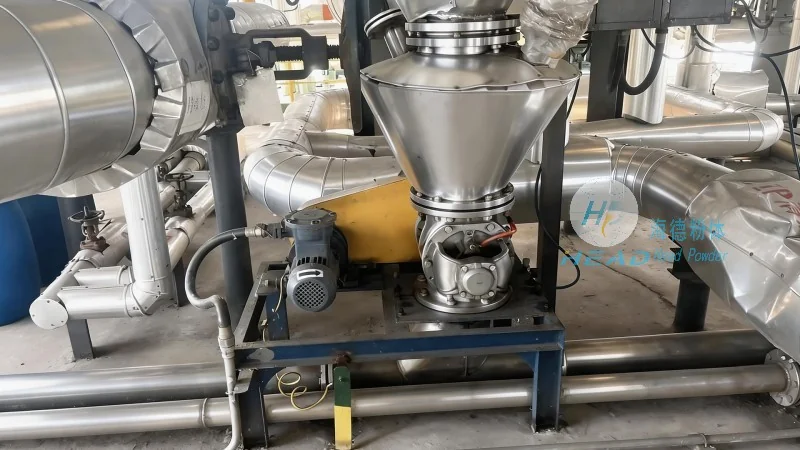
Common Methods of Titanium Dioxide Conveying
There are several methods used for transporting TiO₂, each with its own set of advantages and limitations. The primary methods include mechanical conveying (such as screw conveyors, belt conveyors, and bucket elevators) and pneumatic conveying. Mechanical conveying systems are generally suitable for bulk materials and can handle high volumes at relatively low costs. However, they may require more maintenance and have limitations in terms of material handling for fine powders like TiO₂, which can lead to issues like dust accumulation and material degradation. Pneumatic conveying, on the other hand, offers a more flexible and efficient solution for handling fine powders.
Pneumatic Conveying: The Preferred Method for Titanium Dioxide
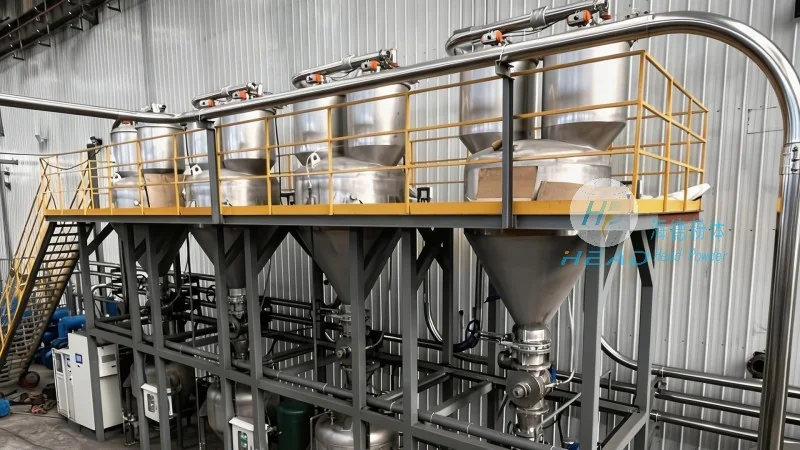
Pneumatic conveying, also known as air conveying, involves the use of air to transport TiO₂ particles through a pipeline system. This method is particularly suitable for TiO₂ due to its fine particle size and the need for dust-free handling. There are two main types of pneumatic conveying: pressure and vacuum systems. Pressure systems use compressed air to push the material through the pipeline, while vacuum systems use a vacuum to draw the material into the system. Both systems can be designed to handle different material characteristics and operational requirements.
Advantages of Pneumatic Conveying for Titanium Dioxide
HeadPowder's pneumatic conveying systems offer several key advantages for TiO₂ transportation. First, they provide a dust-free environment, which is critical for maintaining the purity and quality of TiO₂. The enclosed pipeline system prevents dust from escaping into the workplace, reducing health risks and environmental contamination. Second, pneumatic conveying allows for precise control over the flow rate and pressure, ensuring consistent and reliable material transport. This control is essential for maintaining the uniformity of TiO₂ batches, which is crucial for downstream processes such as pigment manufacturing. Third, the system is highly flexible and can be easily integrated with existing production lines. It can handle changes in material flow rates and can be expanded or modified to accommodate future production needs. Fourth, pneumatic conveying reduces the need for manual handling, improving workplace safety and reducing labor costs. The automated system minimizes the risk of accidents and injuries associated with manual loading and unloading of bulk materials.
Key Features of HeadPowder's Pneumatic Conveying Solutions
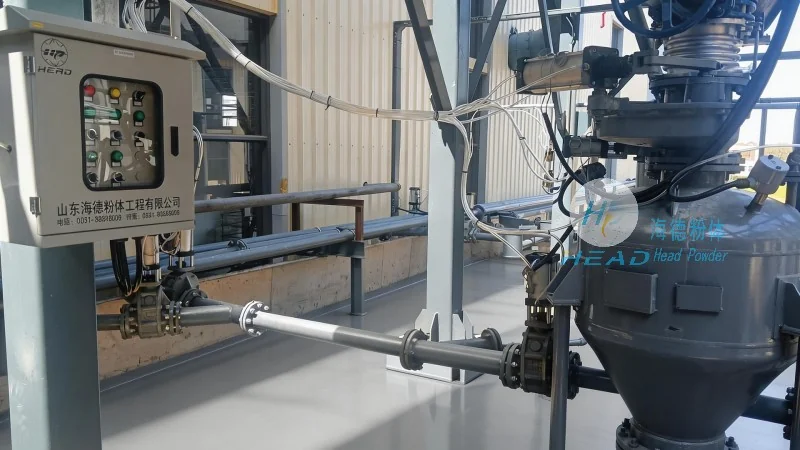
HeadPowder's pneumatic conveying solutions are designed with several key features that enhance their performance and reliability. The systems are equipped with high-quality materials that are resistant to corrosion and wear, ensuring long-term durability. The pipelines are made of stainless steel or other corrosion-resistant materials, which are suitable for handling TiO₂ and other chemical materials. The conveying equipment is also equipped with advanced control systems that allow for real-time monitoring and adjustment of the system parameters. This allows operators to optimize the system performance and ensure efficient material transport. Additionally, the systems are designed to minimize energy consumption, which reduces operational costs and environmental impact. The use of efficient air compressors and optimized pipeline designs helps to reduce energy usage while maintaining the required conveying capacity.
Conclusion
In conclusion, pneumatic conveying is an effective and efficient method for transporting titanium dioxide. HeadPowder's advanced pneumatic conveying systems offer numerous advantages, including dust-free operation, precise control, flexibility, and improved safety. By choosing a pneumatic conveying system from HeadPowder, clients can ensure the reliable and safe transportation of TiO₂, maintaining product quality and operational efficiency. HeadPowder's commitment to quality and innovation makes it a trusted partner for businesses in the TiO₂ industry, providing customized solutions that meet their specific needs.

 Shandong Headpowder Engineering Co., Ltd.
 156-6277-7102(Quản lý Trương)
  0531-83386006
  Thành phố Tế Nam, Tỉnh Sơn Đông, Trung Quốc
Điện thoại
WeChatTư vấn
Lên đầu