Với hơn 10 năm kinh nghiệm về vận chuyển khí nén, Headpowder Sơn Đông cung cấp hệ thống, thiết bị và quạt gió toàn chuỗi, đảm nhận các dự án kỹ thuật bột trọn gói trên toàn quốc.
When it comes to transporting barley, various methods are employed depending on the specific requirements of the operation. Among these, pneumatic conveying stands out as a highly efficient and versatile solution, offering several advantages over traditional methods. This article provides an overview of the different types of barley conveying systems and highlights the key benefits and features of pneumatic conveying technology.
HeadPowder, a leading provider in the field, specializes in engineering and manufacturing advanced conveying solutions. With a strong presence in Shandong, China, the company has established itself as a trusted partner for businesses seeking reliable and efficient barley handling systems.
Types of Barley Conveying Methods
Barley, a crucial ingredient in the production of beer and other beverages, requires careful handling during transportation to maintain its quality and integrity. Several methods are commonly used for barley conveying, each with its own set of advantages and limitations. The primary types include gravity conveying, mechanical conveying, and pneumatic conveying.
Gravity Conveying
Gravity conveying relies on the natural force of gravity to move barley from one location to another. This method typically involves inclined chutes or hoppers that allow the grain to flow downward. While simple and low-cost, gravity conveying has limitations, particularly when dealing with large quantities or long distances. It is often used for short-distance transfers within a facility.
Mechanical Conveying
Mechanical conveying utilizes mechanical components such as belts, screws, or buckets to transport barley. Belt conveyors are widely used for horizontal or slightly inclined transport, while screw conveyors are effective for vertical or inclined movement. Mechanical systems are robust and can handle high volumes, but they may require more maintenance and have higher energy consumption compared to pneumatic systems.
Pneumatic Conveying
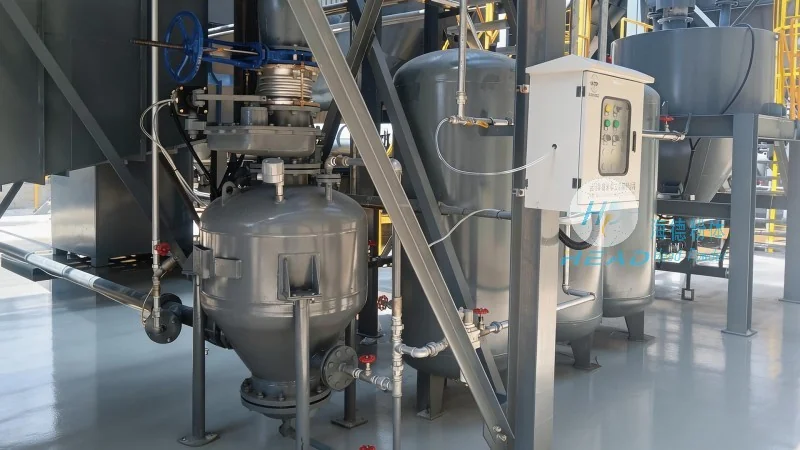
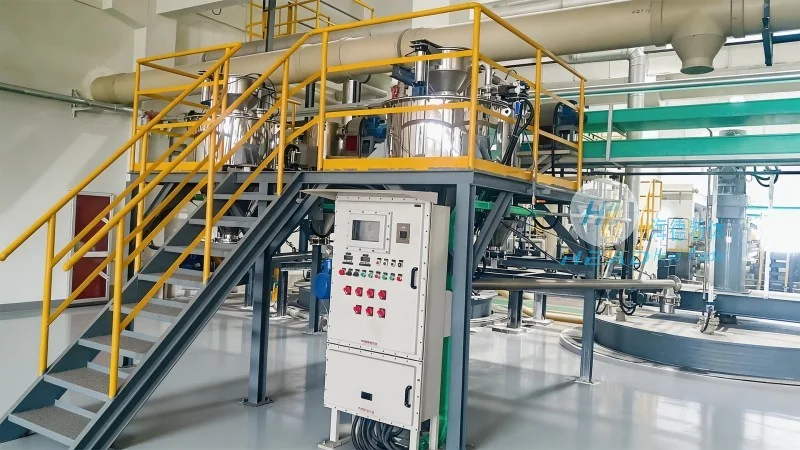
Pneumatic conveying, also known as air conveying, uses compressed air to move barley through a pipeline system. This method offers several advantages, including high efficiency, flexibility, and the ability to transport barley over long distances with minimal loss of quality. There are two main types of pneumatic conveying: pressure and vacuum systems.
Advantages of Barley Pneumatic Conveying
HeadPowder's pneumatic conveying systems for barley offer numerous benefits that make them a preferred choice for many industries. The key advantages include:
Efficiency and Speed: Pneumatic systems can transport barley quickly and efficiently, reducing processing time and increasing overall productivity.
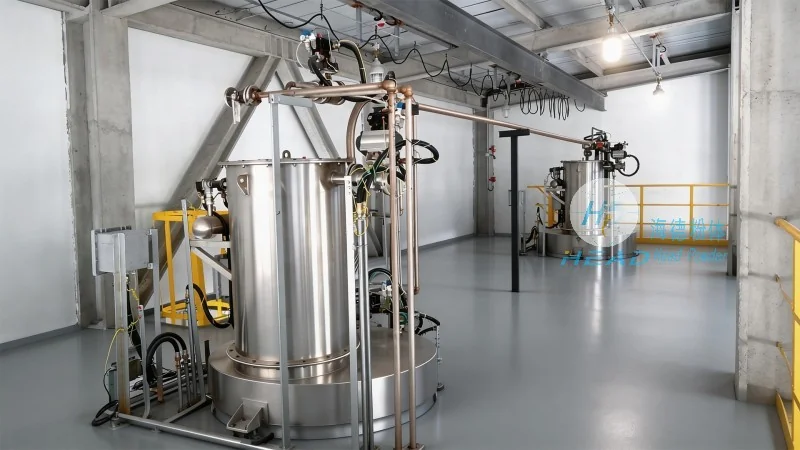
Low Maintenance: Compared to mechanical systems, pneumatic conveyors have fewer moving parts, leading to lower maintenance costs and longer service life.
Flexibility: Pneumatic conveying allows for easy reconfiguration of the system, enabling changes in the layout or direction of transport without major modifications.
Reduced Product Damage: The gentle handling of barley by the air flow minimizes the risk of breakage or damage to the grain, preserving its quality for brewing or other applications.
Clean and Hygienic: Pneumatic systems are enclosed, preventing contamination from dust, moisture, or external elements, which is crucial for maintaining food safety standards.
Key Features of HeadPowder's Barley Pneumatic Conveying Solutions
HeadPowder Engineering Co., Ltd. provides comprehensive pneumatic conveying solutions tailored to the specific needs of barley handling operations. The company's systems are designed with precision and incorporate advanced technology to ensure optimal performance. Key features include:

 Shandong Headpowder Engineering Co., Ltd.
 156-6277-7102(Quản lý Trương)
  0531-83386006
  Thành phố Tế Nam, Tỉnh Sơn Đông, Trung Quốc
Điện thoại
WeChatTư vấn
Lên đầu