Với hơn 10 năm kinh nghiệm về vận chuyển khí nén, Headpowder Sơn Đông cung cấp hệ thống, thiết bị và quạt gió toàn chuỗi, đảm nhận các dự án kỹ thuật bột trọn gói trên toàn quốc.
Efficient wheat handling and conveying are fundamental to the success of agricultural and industrial operations that involve wheat processing. The choice of a suitable method depends on factors such as the volume of wheat to be handled, the distance it needs to be transported, the required speed, and the need to maintain product integrity. Common wheat handling methods include gravity-based systems, mechanical conveyors, and pneumatic conveying systems. Each method has its own strengths and limitations, making it essential to understand the specific requirements of the operation before selecting the most appropriate solution.
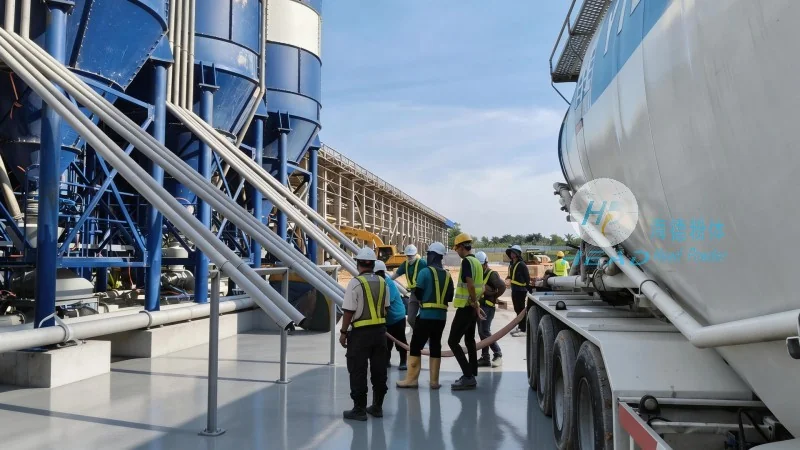
Different Wheat Handling and Conveying Methods
Gravity-based handling systems utilize the natural force of gravity to move wheat from one location to another. These systems typically involve inclined chutes or hoppers that allow wheat to flow downwards under the influence of gravity. While simple and low-cost, gravity systems are limited by the need for a suitable slope and are not suitable for long-distance or vertical transport. Mechanical conveyors, such as belt conveyors and screw conveyors, use mechanical components to move wheat. Belt conveyors are widely used for horizontal and slight incline transport, while screw conveyors are effective for vertical or inclined transport. These systems are reliable and can handle large volumes, but they may generate more dust and require regular maintenance.
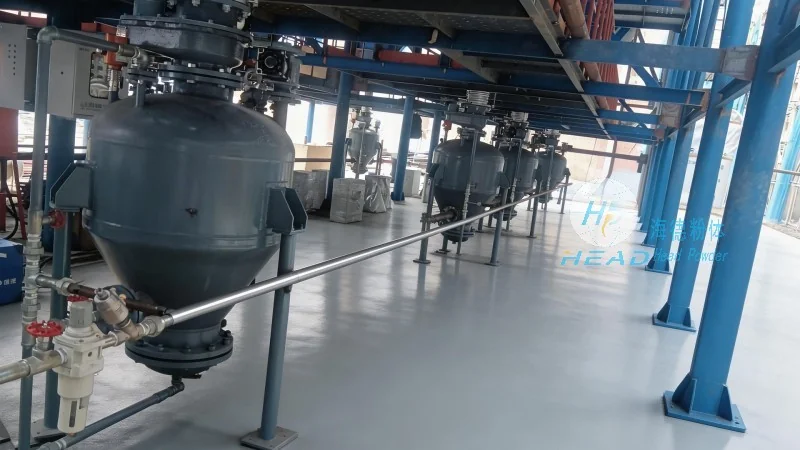
Pneumatic Wheat Conveying: Advantages and Features
Pneumatic conveying systems use air pressure to transport wheat and other bulk materials. This method offers several advantages that make it particularly suitable for wheat handling applications. One of the key benefits is the ability to transport wheat in a closed system, which helps to minimize dust and prevent contamination. This is especially important for maintaining the quality of wheat, which is sensitive to moisture and contaminants. Pneumatic conveying also allows for flexible and versatile transport, as it can move wheat over long distances and through vertical or horizontal paths with ease. The system can be easily integrated with other processing equipment, such as cleaning, grading, and packaging machinery, creating a seamless workflow. Another advantage is the ability to handle a wide range of wheat types and sizes, from whole grains to broken or ground wheat. The system can also be adjusted to handle different flow rates, making it adaptable to varying production needs.
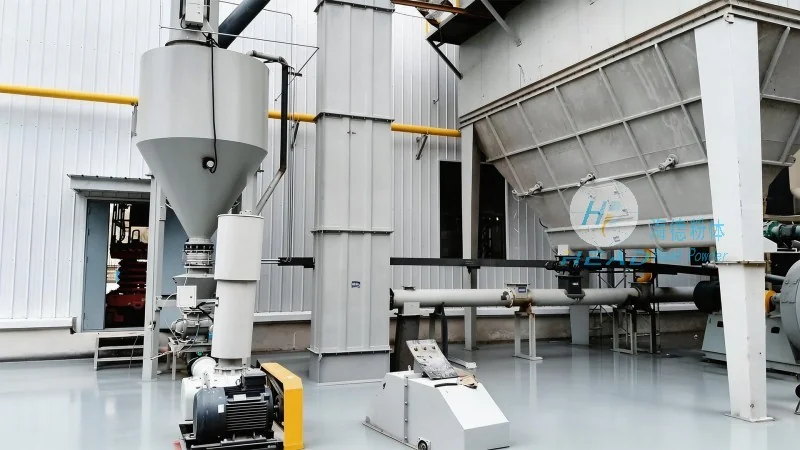
Key Features of Pneumatic Wheat Conveying Systems
Modern pneumatic wheat conveying systems are equipped with several features that enhance their performance and efficiency. These features include high-pressure blowers or vacuum pumps that generate the necessary air pressure to move wheat. The system may also include filters and dust collectors to maintain air quality and prevent dust accumulation. Some systems use flexible hoses or rigid pipes to transport wheat, depending on the specific application. The design of the system can be customized to meet the unique requirements of the operation, ensuring optimal performance. Additionally, pneumatic conveying systems are often equipped with monitoring and control systems that allow operators to adjust the flow rate and pressure in real-time, improving overall control and efficiency.
Applications of Pneumatic Wheat Conveying
Pneumatic wheat conveying systems are widely used in various applications within the wheat processing industry. These include transporting wheat from storage silos to processing facilities, moving wheat between different stages of processing such as cleaning, grading, and milling, and conveying wheat to packaging lines. The systems are also used in bulk handling operations, such as loading and unloading trucks or ships. The ability to handle large volumes of wheat efficiently and maintain product quality makes pneumatic conveying an ideal choice for these applications.
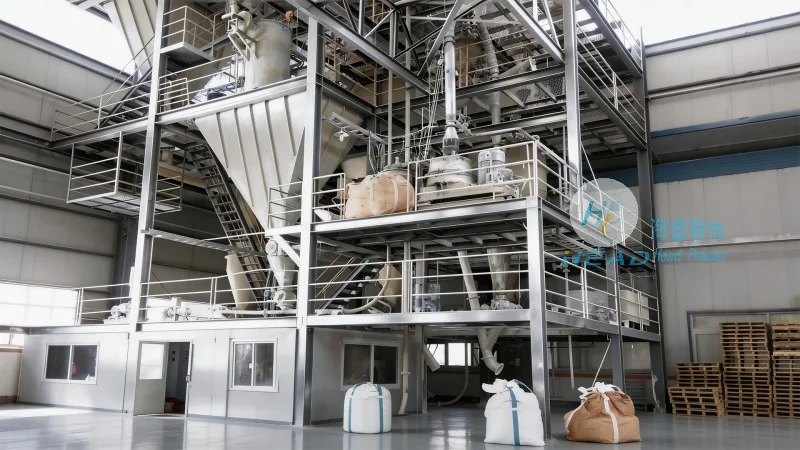
Conclusion and Company Information
Choosing the right wheat handling and conveying method is critical for optimizing operations and maintaining product quality. While gravity and mechanical systems have their uses, pneumatic conveying systems offer significant advantages, particularly in terms of dust control, flexibility, and efficiency. For businesses looking to enhance their wheat handling capabilities, pneumatic conveying systems provide a reliable and effective solution. As a leading provider of wheat handling equipment, Shandong HeadPowder Engineering Co., Ltd. specializes in designing and manufacturing high-quality pneumatic conveying systems tailored to the specific needs of wheat processing operations. With years of experience and a commitment to quality, HeadPowder offers innovative solutions that help clients improve their workflow and maintain the highest standards of product quality. Based in Shandong, China, HeadPowder serves a global market, providing customized solutions that meet the diverse requirements of wheat handling and processing industries.

 Shandong Headpowder Engineering Co., Ltd.
 156-6277-7102(Quản lý Trương)
  0531-83386006
  Thành phố Tế Nam, Tỉnh Sơn Đông, Trung Quốc
Điện thoại
WeChatTư vấn
Lên đầu