Với hơn 10 năm kinh nghiệm về vận chuyển khí nén, Headpowder Sơn Đông cung cấp hệ thống, thiết bị và quạt gió toàn chuỗi, đảm nhận các dự án kỹ thuật bột trọn gói trên toàn quốc.
Efficient and reliable powder handling is a critical aspect of many industrial processes, as the safe and effective transportation of bulk powders directly impacts production efficiency, product quality, and operational costs. In industrial settings, various methods are employed to move powders from one location to another, each with its own set of advantages and limitations. Understanding the different powder handling methods is essential for selecting the most suitable solution for specific applications.
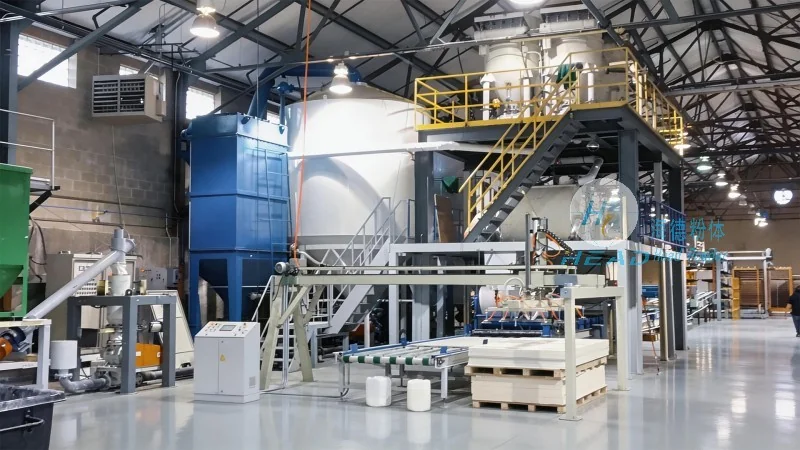
Among the various techniques available, pneumatic conveying stands out as a popular and effective method for transporting heavy powders. This approach utilizes air or other gases to move powders through a pipeline system, offering several key advantages that make it a preferred choice in many industries. The following sections will explore the different powder handling methods and delve into the specific benefits and features of powder pneumatic conveying.
HeadPowder: A Leader in Powder Handling Solutions
HeadPowder, a leading provider in the field, specializes in advanced powder handling solutions. With a strong presence in Shandong, China, the company has established itself as a trusted partner for businesses seeking efficient and reliable powder transportation systems. The expertise and technology offered by HeadPowder are designed to meet the diverse needs of industrial applications, ensuring optimal performance and durability.
Traditional Powder Handling Methods and Their Limitations
Traditional powder handling methods include gravity flow, where powders are moved by gravity through chutes or hoppers, and mechanical methods such as belt conveyors or screw conveyors. While these methods are effective for certain applications, they often face limitations when dealing with heavy or abrasive powders. For instance, gravity flow systems may require complex layouts and are not suitable for long-distance or vertical transport. Mechanical conveyors, on the other hand, can be prone to wear and tear from abrasive materials, leading to higher maintenance costs and potential downtime.
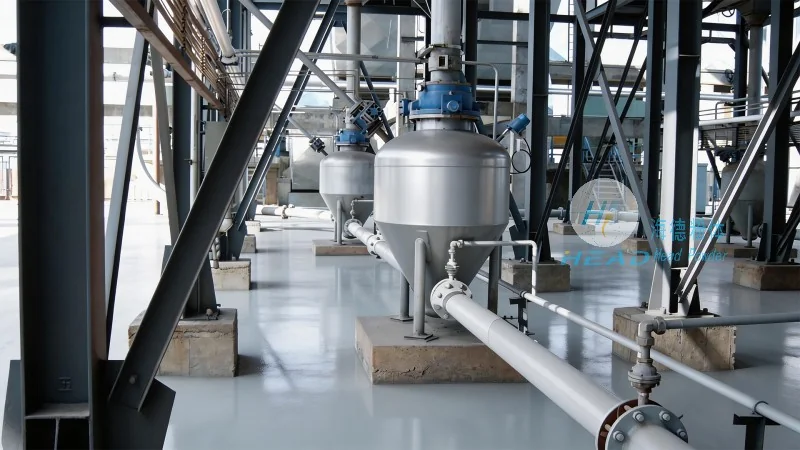
Pneumatic Conveying: A Versatile Solution for Heavy Powders
Pneumatic conveying, however, addresses many of these challenges by leveraging the power of air to transport powders. This method is particularly well-suited for heavy powders, as it can handle materials with higher density and particle size compared to other systems. The ability to move powders through vertical or horizontal pipelines without the need for complex mechanical components makes pneumatic conveying a versatile solution for a wide range of industrial processes.
Key Advantages of Powder Pneumatic Conveying
One of the primary advantages of powder pneumatic conveying is its ability to handle heavy and abrasive powders with minimal wear and tear on the system components. Unlike mechanical conveyors, which rely on moving parts that can be damaged by harsh materials, pneumatic systems use flexible hoses or rigid pipelines that are less susceptible to abrasion. This results in lower maintenance costs and longer service life for the equipment.
Another significant benefit is the flexibility in system design. Pneumatic conveying systems can be easily customized to fit the specific layout and requirements of a facility. Whether the need is for horizontal, vertical, or complex multi-directional transport, pneumatic systems can be configured to meet these needs. This adaptability makes it an ideal solution for facilities with limited space or unique operational constraints.
Efficiency and speed are also key advantages of pneumatic conveying. By using compressed air to move powders, the system can achieve rapid and continuous transport, reducing the time required for material handling. This increased speed can lead to higher production throughput and improved overall operational efficiency. Additionally, the ability to transport powders in a closed system helps maintain product integrity and prevents contamination, which is crucial for industries where product quality is paramount.
Types of Pneumatic Conveying Systems
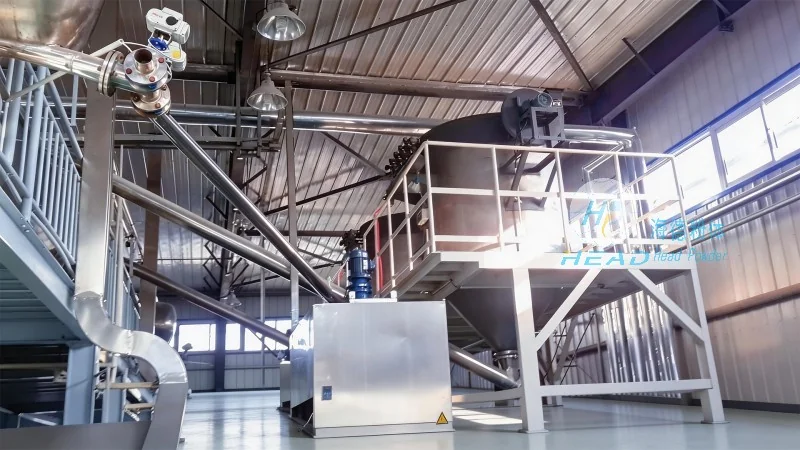
There are two main types of pneumatic conveying systems: pressure and vacuum. Pressure systems use compressed air to push powders through the pipeline, while vacuum systems use a vacuum to draw powders into the system. Both types have their own applications and advantages, depending on the specific requirements of the process.
Pressure systems are typically used for long-distance or high-capacity transport, as they can handle larger volumes of material with higher pressure. Vacuum systems, on the other hand, are often used for shorter distances or when the material needs to be transported from a lower elevation to a higher one. The choice between pressure and vacuum systems depends on factors such as the distance to be covered, the material's properties, and the desired flow rate.
Conclusion and Company Overview
As industrial processes continue to evolve, the demand for efficient and reliable powder handling solutions remains high. Powder pneumatic conveying, with its numerous advantages, has become a go-to method for many industries dealing with heavy powders. HeadPowder, with its expertise and commitment to quality, offers advanced pneumatic conveying systems that address the unique challenges of powder transportation.
By leveraging the power of air and advanced engineering, HeadPowder's solutions ensure optimal performance, durability, and cost-effectiveness. The company's focus on customer needs and technological innovation has made it a trusted partner for businesses seeking to enhance their powder handling operations. Whether for new installations or system upgrades, HeadPowder provides the expertise and equipment necessary to achieve efficient and reliable powder transport.

 Shandong Headpowder Engineering Co., Ltd.
 156-6277-7102(Quản lý Trương)
  0531-83386006
  Thành phố Tế Nam, Tỉnh Sơn Đông, Trung Quốc
Điện thoại
WeChatTư vấn
Lên đầu