Với hơn 10 năm kinh nghiệm về vận chuyển khí nén, Headpowder Sơn Đông cung cấp hệ thống, thiết bị và quạt gió toàn chuỗi, đảm nhận các dự án kỹ thuật bột trọn gói trên toàn quốc.
Sand, a critical raw material in foundries and casting processes, requires efficient and reliable transport systems to ensure smooth production workflows. Traditional sand handling methods, such as belt conveyors or bucket elevators, have been widely used for decades. However, with advancements in industrial technology, alternative solutions like pneumatic conveying have emerged as a preferred choice for many manufacturers. This article explores the various sand transport methods available and highlights the key advantages of sand pneumatic conveying, presented by Shandong HeadPowder Engineering Co., Ltd., a leading provider of industrial conveying solutions.
Different Types of Sand Transport Methods
Before delving into the specifics of pneumatic conveying, it is essential to understand the primary sand transport methods employed in industrial settings. The most common approaches include:
Belt Conveyors: These systems use continuous belts to move sand horizontally or at a slight incline. Belt conveyors are suitable for long-distance transport and can handle large volumes of material. However, they may experience issues with material spillage and require regular maintenance to prevent belt wear.
Bucket Elevators: Vertical or inclined elevators that transport sand using buckets attached to a chain or belt. Bucket elevators are effective for vertical lifting but can be noisy and may cause material degradation due to impact and friction.
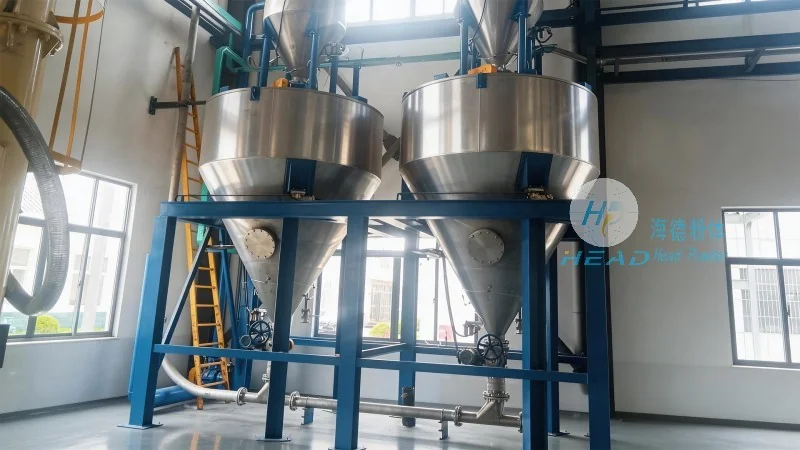
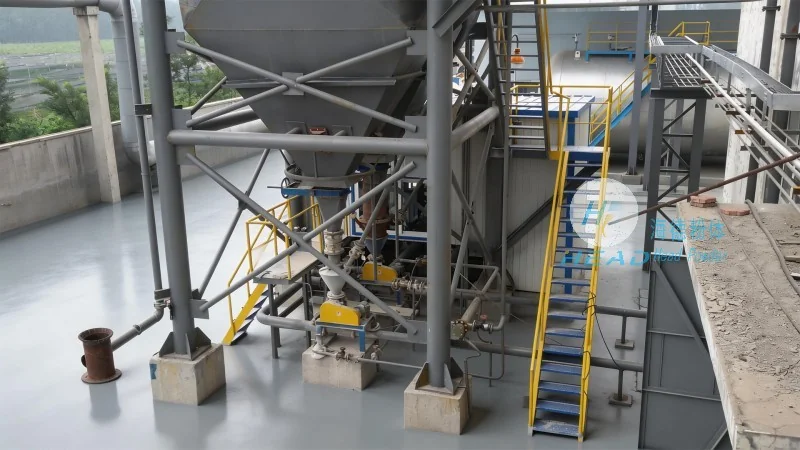
Pneumatic Conveying: A method that uses air pressure to move sand through pipes. This technique offers a flexible and enclosed solution, minimizing dust and contamination. Pneumatic systems can be either pressure or vacuum-based, each with distinct applications.
The Advantages of Sand Pneumatic Conveying
Sand pneumatic conveying, as offered by Shandong HeadPowder Engineering Co., Ltd., presents several advantages over traditional methods. One of the most significant benefits is the enclosed system, which effectively contains dust and prevents environmental contamination. This not only improves workplace safety but also complies with environmental regulations, making it an attractive option for modern foundries.
Another key advantage is the flexibility of pneumatic conveying systems. They can be easily integrated into existing production lines and adjusted to accommodate varying sand volumes and flow rates. The ability to transport sand horizontally, vertically, or in a combination of both directions provides manufacturers with greater operational flexibility.
Efficiency is another critical factor. Pneumatic systems can achieve high material throughput with minimal energy consumption compared to mechanical conveyors. The absence of moving parts in the conveying line reduces maintenance requirements and downtime, leading to lower operational costs over time.
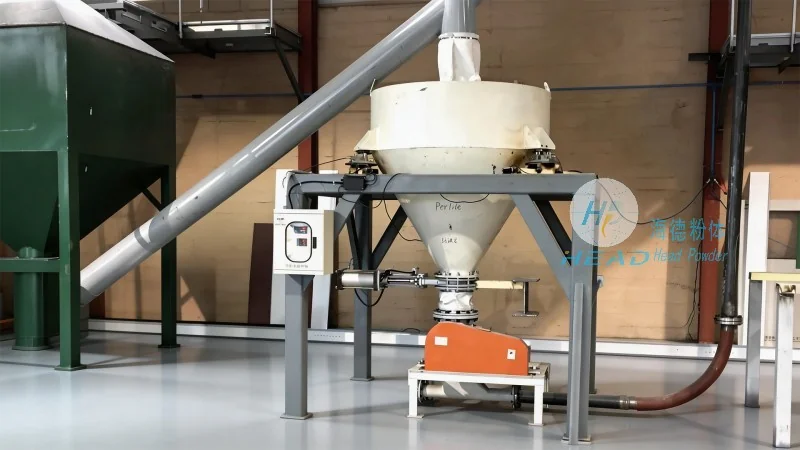
Furthermore, sand pneumatic conveying offers improved material handling capabilities. The enclosed pipes prevent sand from coming into contact with external elements, reducing the risk of moisture absorption or contamination from external sources. This is particularly important for high-quality casting applications where material purity is paramount.
Features of Sand Pneumatic Conveying Systems
Shandong HeadPowder Engineering Co., Ltd. specializes in designing and manufacturing advanced sand pneumatic conveying systems tailored to the specific needs of foundries. The company’s solutions are characterized by several key features:
Customizable Design: Each system is engineered to meet the unique requirements of the client, including the type of sand, transport distance, and production capacity. This ensures optimal performance and efficiency.
High Efficiency and Reliability: The use of high-quality components and robust construction ensures consistent operation and minimal downtime. The systems are designed to handle abrasive materials like sand without premature wear.
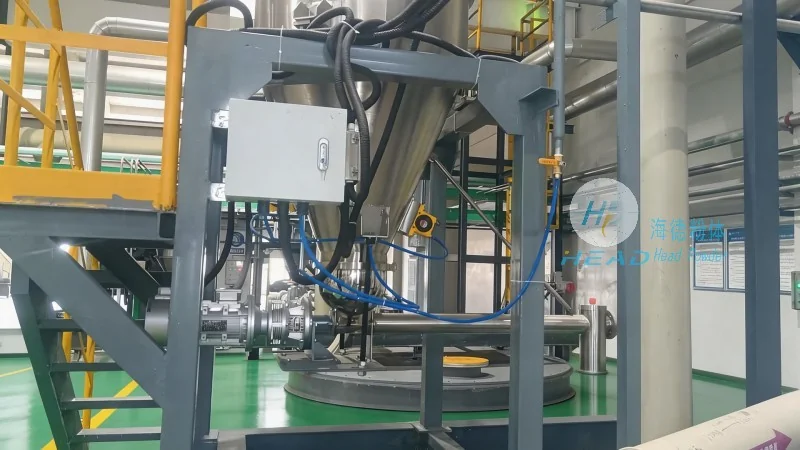
Environmental Compliance: All systems are built to meet or exceed environmental standards, with features such as dust collection and filtration to minimize emissions.
Easy Maintenance: Modular design and accessible components allow for quick and efficient maintenance, reducing the overall cost of ownership.
Conclusion
In conclusion, sand pneumatic conveying is a superior solution for efficient and reliable sand transport in foundries. By offering enclosed systems, flexibility, and high efficiency, it addresses the limitations of traditional methods while providing a cost-effective and environmentally friendly alternative. Shandong HeadPowder Engineering Co., Ltd. stands as a trusted partner in providing customized sand pneumatic conveying solutions that enhance production efficiency and ensure compliance with industry standards.

 Shandong Headpowder Engineering Co., Ltd.
 156-6277-7102(Quản lý Trương)
  0531-83386006
  Thành phố Tế Nam, Tỉnh Sơn Đông, Trung Quốc
Điện thoại
WeChatTư vấn
Lên đầu