Với hơn 10 năm kinh nghiệm về vận chuyển khí nén, Headpowder Sơn Đông cung cấp hệ thống, thiết bị và quạt gió toàn chuỗi, đảm nhận các dự án kỹ thuật bột trọn gói trên toàn quốc.
In the cement production industry, the efficient and reliable transport of raw materials is a critical factor that directly impacts production efficiency, cost management, and overall operational safety. Cement raw materials, including limestone, clay, iron ore, and other additives, must be conveyed from storage areas to processing units with minimal loss, contamination, and energy consumption. Various conveying methods are employed in cement plants, each with distinct characteristics, advantages, and limitations. This article provides a detailed comparison of common cement raw material conveying methods, focusing on their advantages and disadvantages, to help industry professionals make informed decisions when selecting the most suitable equipment for their specific needs.
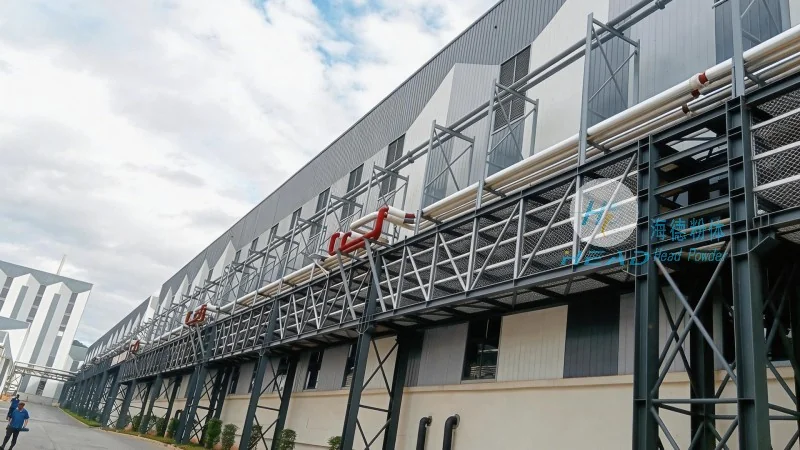
1. Belt Conveyor: The Workhorse of Bulk Material Handling
Belt conveyors are among the most widely used equipment for transporting bulk materials in cement plants due to their high capacity, continuous operation, and relatively low cost. These systems consist of a continuous belt that moves over rollers or pulleys, carrying the raw materials from one location to another. The primary advantage of belt conveyors is their ability to handle large volumes of material at a steady pace, making them ideal for long-distance horizontal or slightly inclined transport. They are also relatively simple in design, requiring less maintenance compared to other complex systems. However, belt conveyors have several drawbacks. The most significant limitation is their large footprint, as they require substantial space for installation and operation. Additionally, they are susceptible to damage from heavy or abrasive materials, which can lead to increased maintenance costs and downtime. Another disadvantage is their limited ability to handle vertical transport, as vertical belt conveyors are less common and more expensive than horizontal ones.
2. Bucket Elevator: Vertical Material Transport Solution
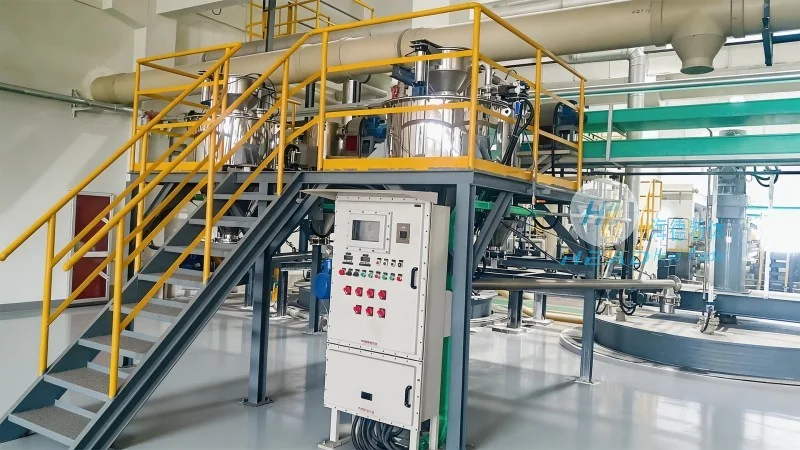
Bucket elevators are specifically designed for vertical or near-vertical transport of bulk materials, making them a popular choice for moving raw materials from ground-level storage to upper-level processing units in cement plants. These systems use a series of buckets attached to a chain or belt that travels within a vertical casing. The main advantage of bucket elevators is their compact design, which allows for vertical transport without occupying horizontal space. This makes them ideal for plants with limited floor area or where vertical movement is necessary. They also have a relatively high capacity for vertical transport, capable of moving large volumes of material over significant heights. However, bucket elevators have several limitations. The most notable drawback is their lower capacity compared to belt conveyors, as the buckets and chain system can only carry a limited amount of material at a time. This can result in lower overall throughput for the same horizontal distance. Additionally, bucket elevators are sensitive to the size and shape of the material being conveyed; oversized or irregularly shaped particles may cause blockages or damage to the equipment. Maintenance is also more complex, as the buckets and chain require regular inspection and replacement.
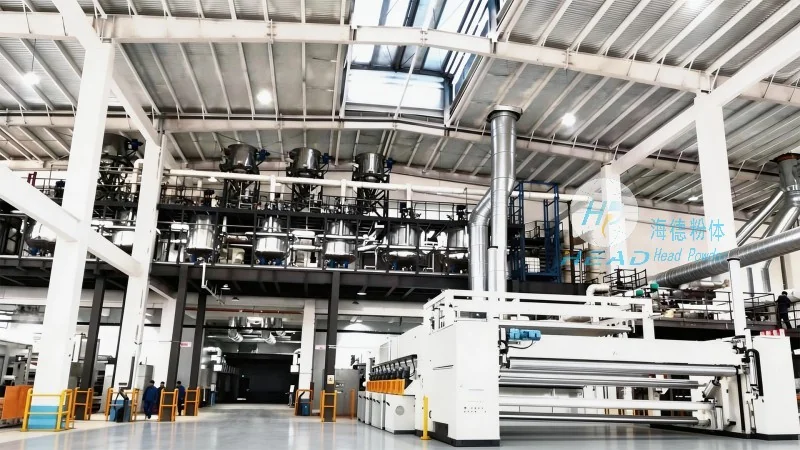
3. Pneumatic Conveying System: Flexible and Dust-Free Transport
Pneumatic conveying systems use air or gas to transport bulk materials through a pipeline network, offering a dust-free and flexible solution for conveying cement raw materials. These systems can be classified into two main types: dilute-phase and dense-phase, each with different characteristics and applications. The primary advantage of pneumatic conveying is its ability to transport materials in a closed system, eliminating dust emissions and providing a clean working environment. This is particularly beneficial in cement plants where dust control is a regulatory requirement. Additionally, pneumatic systems are highly flexible, as they can be easily reconfigured or extended to accommodate changes in production needs or plant layout. They can also transport materials over long distances and through multiple points of discharge, making them suitable for complex conveying scenarios. However, pneumatic conveying has significant drawbacks. The most critical limitation is its high energy consumption, as it requires powerful blowers or compressors to generate the necessary air pressure. This results in higher operational costs compared to mechanical systems like belt conveyors. Another disadvantage is the sensitivity of the system to material properties, such as moisture content and particle size. Wet or sticky materials can cause blockages in the pipeline, leading to system downtime and increased maintenance. Furthermore, pneumatic conveying is less suitable for abrasive materials, as the internal components (e.g., pipes, valves) are prone to wear and tear over time.
HeadPowder's Expertise in Cement Raw Material Conveying Solutions
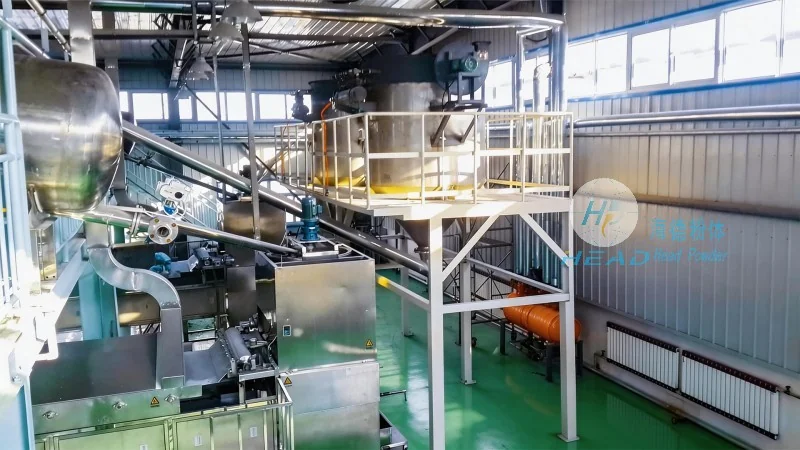
Shandong HeadPowder Engineering Co., Ltd., a leading manufacturer of industrial conveying equipment, specializes in providing customized cement raw material conveying solutions that address the unique challenges faced by cement plants. With decades of experience in the industry, HeadPowder understands that no single conveying method is universally optimal for all applications. Instead, they offer a comprehensive range of equipment, including belt conveyors, bucket elevators, and pneumatic systems, tailored to meet the specific requirements of each client. The company's engineers work closely with clients to analyze their production processes, material characteristics, and operational constraints, then design and install the most suitable conveying system. For example, in a plant where horizontal transport over long distances is required, HeadPowder may recommend a high-capacity belt conveyor with advanced control systems to optimize performance. In cases where vertical transport is necessary, they may propose a bucket elevator with reinforced components to handle abrasive materials. For plants prioritizing dust control and flexibility, HeadPowder can provide a pneumatic conveying system with advanced filtration and control features. The company also emphasizes durability and reliability, using high-quality materials and robust designs to ensure long service life and minimal downtime. HeadPowder's commitment to customer satisfaction and technical excellence has made them a trusted partner for cement manufacturers worldwide, helping them improve operational efficiency and reduce costs through effective raw material handling solutions.
Conclusion: Selecting the Right Conveying Method for Cement Production
Choosing the appropriate cement raw material conveying method is a critical decision that impacts the overall performance and profitability of a cement plant. Each method—belt conveyor, bucket elevator, and pneumatic system—offers unique advantages and disadvantages, and the best choice depends on factors such as material type, distance, vertical height, space availability, and environmental regulations. Belt conveyors are ideal for long horizontal transport with high capacity, while bucket elevators excel in vertical transport with compact designs. Pneumatic systems provide dust-free and flexible solutions but at a higher energy cost. By understanding these characteristics and considering the specific needs of their operation, cement plant managers can select the most suitable conveying method to optimize production efficiency, reduce operational costs, and ensure safe and reliable material transport. With the expertise and experience of companies like Shandong HeadPowder Engineering Co., Ltd., cement manufacturers can confidently choose and implement the right conveying solutions to meet their production goals.

 Shandong Headpowder Engineering Co., Ltd.
 156-6277-7102(Quản lý Trương)
  0531-83386006
  Thành phố Tế Nam, Tỉnh Sơn Đông, Trung Quốc
Điện thoại
WeChatTư vấn
Lên đầu