Với hơn 10 năm kinh nghiệm về vận chuyển khí nén, Headpowder Sơn Đông cung cấp hệ thống, thiết bị và quạt gió toàn chuỗi, đảm nhận các dự án kỹ thuật bột trọn gói trên toàn quốc.
When it comes to the efficient handling and transportation of glass beads, selecting the right conveying method is crucial for optimizing production processes and ensuring product quality. Various methods are employed in industrial settings, each with its own set of advantages and disadvantages. This article provides a detailed comparison of common glass bead conveying methods, helping businesses make informed decisions based on their specific operational needs.
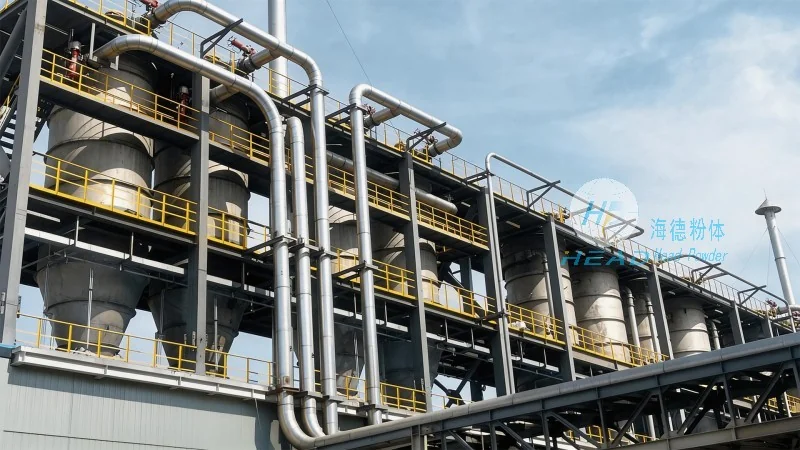
Overview of Glass Bead Conveying Methods
Glass beads are widely used in a range of applications, from abrasive materials to fillers in coatings and plastics. The choice of conveying method depends on factors such as the bead size, density, production volume, and the environment where the material is being handled. Common methods include gravity-based systems, mechanical conveyors, and pneumatic (air) systems. Each approach has distinct characteristics that impact performance, cost, and maintenance requirements.
1. Gravity Conveying Systems
Gravity conveying relies on the natural force of gravity to move glass beads from one point to another. This method typically involves inclined chutes or troughs that allow the beads to slide or roll down under the influence of gravity. It is often used for short distances and when the material is relatively free-flowing. The primary advantage of gravity conveying is its low cost and minimal energy consumption, as it does not require external power sources. However, its effectiveness is limited by the need for a suitable slope and the risk of material buildup or blockages in the chute. Additionally, it may not be suitable for large volumes or when precise control over the flow rate is required.
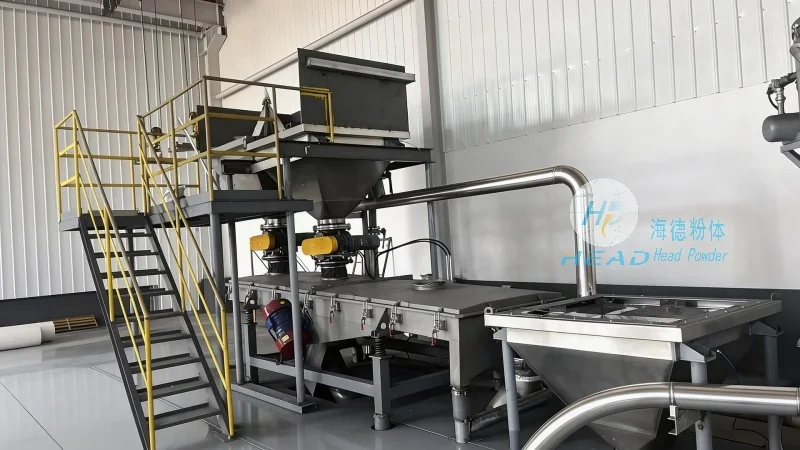
2. Mechanical Conveyors
Mechanical conveyors are a popular choice for glass bead transportation due to their versatility and ability to handle a wide range of material characteristics. These systems include screw conveyors, belt conveyors, and bucket elevators, among others. Screw conveyors, for instance, use a rotating screw to move beads through a tube or trough, providing consistent and controlled flow. Belt conveyors, on the other hand, utilize a continuous belt to transport beads horizontally or at a slight incline. The advantages of mechanical conveyors include high capacity, reliability, and the ability to handle abrasive materials without significant wear. They are also relatively easy to install and maintain. However, these systems require regular maintenance to prevent wear on components, and they may consume more energy compared to gravity systems. Moreover, the initial investment cost can be higher, especially for large-scale operations.
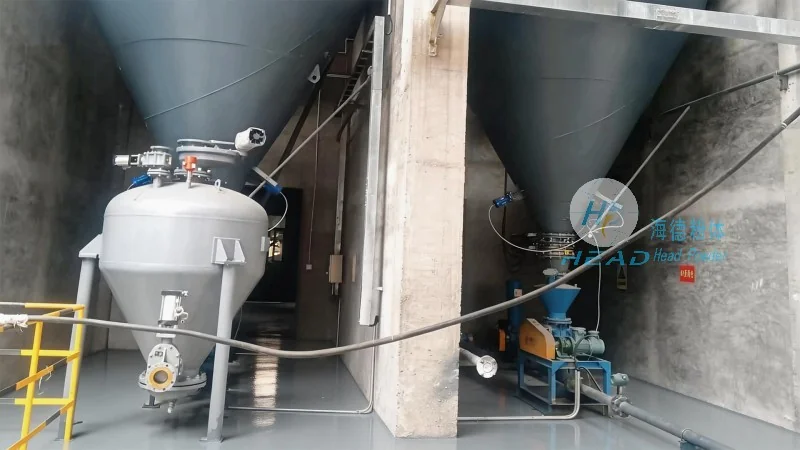
3. Pneumatic (Air) Conveying Systems
Pneumatic conveying uses compressed air to transport glass beads through a pipeline. This method is particularly effective for fine or powdery materials that are difficult to handle with other systems. It can be categorized into pressure and vacuum systems, with pressure systems pushing material through the pipe and vacuum systems pulling it. The main advantage of pneumatic conveying is its ability to transport beads over long distances and to multiple destinations from a single source. It also allows for precise control over the flow rate and can handle materials that are sensitive to moisture or contamination. However, pneumatic systems require a significant amount of energy to operate, as compressed air is a major cost factor. Additionally, they may be less efficient for very large or heavy beads, as the air pressure needed to move them increases substantially. Maintenance of the air compressor and pipeline system is also essential to ensure smooth operation.
4. Comparison and Selection Criteria
When evaluating different glass bead conveying methods, several factors should be considered to determine the most suitable option. The first is the material characteristics, such as bead size, density, and abrasiveness. For example, fine glass beads may be better suited for pneumatic systems, while larger beads might benefit from mechanical conveyors. The second factor is the distance and layout of the conveying path. Short distances may allow for gravity systems, while longer distances require mechanical or pneumatic solutions. Production volume and throughput are also critical, as higher volumes often necessitate more robust systems. Finally, cost considerations, including initial investment and operational expenses, play a significant role in the decision-making process.
Conclusion
Choosing the appropriate glass bead conveying method is essential for optimizing industrial processes and ensuring efficient material handling. Gravity systems offer cost-effective solutions for short distances, while mechanical conveyors provide reliability and high capacity. Pneumatic systems excel in long-distance and precise control but come with higher energy costs. By carefully evaluating the specific needs of a production environment, businesses can select the most suitable conveying method to enhance productivity and maintain product quality. As a leading provider of glass bead solutions, Shandong HeadPowder Engineering Co., Ltd. offers expertise and tailored solutions to help clients choose and implement the best conveying systems for their operations.

 Shandong Headpowder Engineering Co., Ltd.
 156-6277-7102(Quản lý Trương)
  0531-83386006
  Thành phố Tế Nam, Tỉnh Sơn Đông, Trung Quốc
Điện thoại
WeChatTư vấn
Lên đầu