Với hơn 10 năm kinh nghiệm về vận chuyển khí nén, Headpowder Sơn Đông cung cấp hệ thống, thiết bị và quạt gió toàn chuỗi, đảm nhận các dự án kỹ thuật bột trọn gói trên toàn quốc.
When it comes to handling synthetic rubber in industrial settings, selecting the right conveying method is crucial for efficiency, material integrity, and operational safety. This article provides a detailed comparison of common synthetic rubber conveying methods, focusing on their applications, advantages, and limitations. The information is presented by Shandong HeadPowder Engineering Co., Ltd., a leading provider of material handling solutions based in China.
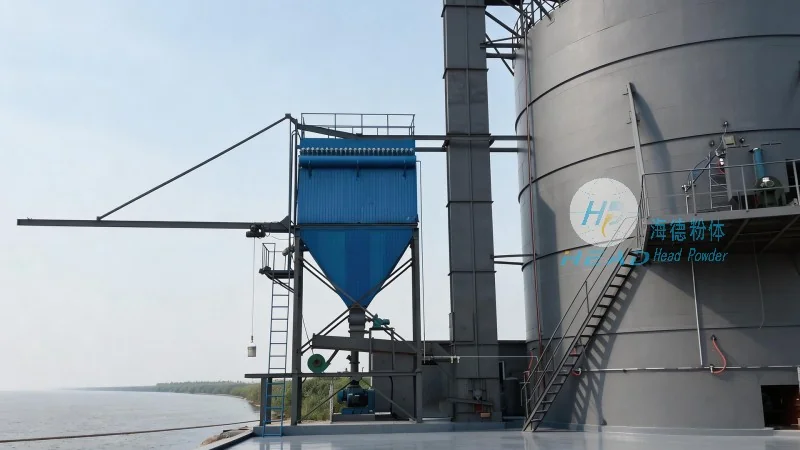
Introduction to Synthetic Rubber Conveying
Synthetic rubber, such as nitrile, neoprene, and silicone, is widely used in various industries including automotive, aerospace, and manufacturing. These materials are often in bulk form and require reliable methods to transport them from storage to processing equipment. The choice of conveying system depends on factors like material properties, throughput requirements, space availability, and environmental considerations. Below, we explore several common synthetic rubber conveying methods and compare their performance.
1. Belt Conveyors for Synthetic Rubber
Belt conveyors are one of the most widely used methods for transporting synthetic rubber due to their simplicity and versatility. They consist of a continuous belt that moves over rollers or pulleys, carrying the material from one point to another. For synthetic rubber, specially designed belts with high abrasion resistance and chemical resistance are essential to prevent wear and degradation. The belt can be made from materials like rubber or synthetic fabrics, tailored to the specific characteristics of the rubber being conveyed.
Advantages of belt conveyors include high capacity, ability to handle long distances, and suitability for both horizontal and inclined transport. They are also relatively low maintenance and can operate continuously without frequent stops. However, belt conveyors may not be ideal for very fine or powdery synthetic rubber, as they can cause material degradation or clogging if not properly designed. Additionally, they require regular inspection and maintenance to ensure the belt remains in good condition.
2. Screw Conveyors (Auger Conveyors) for Synthetic Rubber
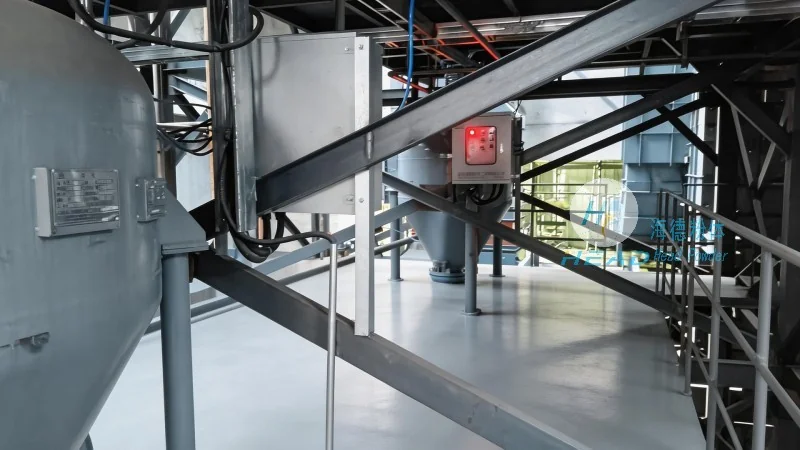
Screw conveyors, also known as auger conveyors, use a rotating screw (auger) to move synthetic rubber along a tube or trough. This method is particularly effective for handling granular or pelletized synthetic rubber, as the screw can push the material forward without the need for external forces like air pressure. Screw conveyors are often used in vertical or inclined applications, making them suitable for elevating synthetic rubber to higher levels or moving it between different floors in a facility.
The primary advantage of screw conveyors is their ability to handle a wide range of materials, including those with high moisture content or sticky properties, which can be challenging for other systems. They are also compact and can be installed in confined spaces, making them a good choice for facilities with limited floor space. However, screw conveyors may experience higher wear on the screw and trough due to the abrasive nature of synthetic rubber, leading to increased maintenance costs over time. They are also less effective for very fine powders, as they can cause segregation or blockages.
3. Pneumatic Conveying Systems for Synthetic Rubber
Pneumatic conveying systems use air or other gases to transport synthetic rubber particles through a pipeline. This method is ideal for handling fine powders or dust-like synthetic rubber, as it can move the material without direct contact, reducing the risk of contamination or degradation. There are two main types of pneumatic conveying: pressure and vacuum systems. Pressure systems push the material with compressed air, while vacuum systems pull it using a vacuum pump.
Advantages of pneumatic conveying include high speed, ability to transport materials over long distances, and minimal maintenance compared to mechanical systems. It is also suitable for handling materials that are sensitive to moisture or contamination. However, pneumatic systems require careful design to prevent material buildup or blockages in the pipeline, which can lead to operational issues. They also consume more energy than mechanical systems and may not be suitable for very large volumes of synthetic rubber.
4. Bucket Elevators for Synthetic Rubber
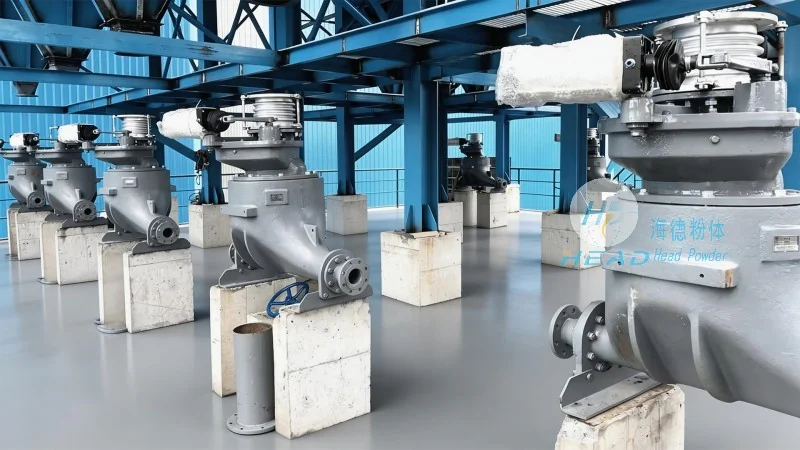
Bucket elevators are vertical conveying systems that use a series of buckets attached to a chain or belt to lift synthetic rubber from a lower to a higher level. This method is commonly used in facilities where vertical transport is necessary, such as in storage silos or processing plants. The buckets are filled with synthetic rubber as they move up the elevator and then discharged at the top, allowing for efficient material transfer.
The main advantage of bucket elevators is their high capacity and ability to handle large volumes of synthetic rubber with minimal space requirements. They are also relatively simple to operate and maintain, with fewer moving parts compared to other vertical systems. However, bucket elevators can be noisy and may cause some material degradation due to the impact of buckets on the material. They are also limited to vertical transport and cannot handle horizontal movement without additional equipment.
5. Comparison and Selection Criteria
When choosing a synthetic rubber conveying method, several factors must be considered to ensure optimal performance. The first step is to evaluate the material properties, such as particle size, moisture content, and abrasiveness. For example, fine powders may be better suited for pneumatic conveying, while bulk pellets may be handled by belt or screw conveyors. The required throughput and distance of transport are also critical factors. High throughput and long distances may favor belt or pneumatic systems, while vertical transport may require bucket elevators or screw conveyors.
Cost and maintenance are other important considerations. Mechanical systems like belt and screw conveyors generally have lower initial costs and lower energy consumption compared to pneumatic systems. However, they require more maintenance over time due to wear and tear. Pneumatic systems have higher initial costs and energy usage but may have lower maintenance requirements. The space available in the facility is another factor, as compact systems like screw conveyors may be preferred in confined areas.
Conclusion
Each synthetic rubber conveying method has its own advantages and limitations, and the best choice depends on the specific application and operational requirements. Shandong HeadPowder Engineering Co., Ltd. offers a range of conveying solutions tailored to the needs of synthetic rubber handling, ensuring efficient and reliable material transport. By understanding the characteristics of each method and considering the relevant factors, industrial facilities can select the most appropriate conveying system to optimize their operations.

 Shandong Headpowder Engineering Co., Ltd.
 156-6277-7102(Quản lý Trương)
  0531-83386006
  Thành phố Tế Nam, Tỉnh Sơn Đông, Trung Quốc
Điện thoại
WeChatTư vấn
Lên đầu