Với hơn 10 năm kinh nghiệm về vận chuyển khí nén, Headpowder Sơn Đông cung cấp hệ thống, thiết bị và quạt gió toàn chuỗi, đảm nhận các dự án kỹ thuật bột trọn gói trên toàn quốc.
Efficient and reliable conveying systems are crucial in the production and handling of alloy powders, as they directly impact the quality, safety, and productivity of manufacturing processes. Shandong HeadPowder Engineering Co., Ltd., a leading manufacturer based in Shandong, China, specializes in providing advanced solutions for powder handling, including various conveying methods tailored to the unique requirements of alloy powders. This article provides a detailed comparison of common alloy powder conveying methods, helping industrial professionals make informed decisions when selecting the most suitable system for their applications.
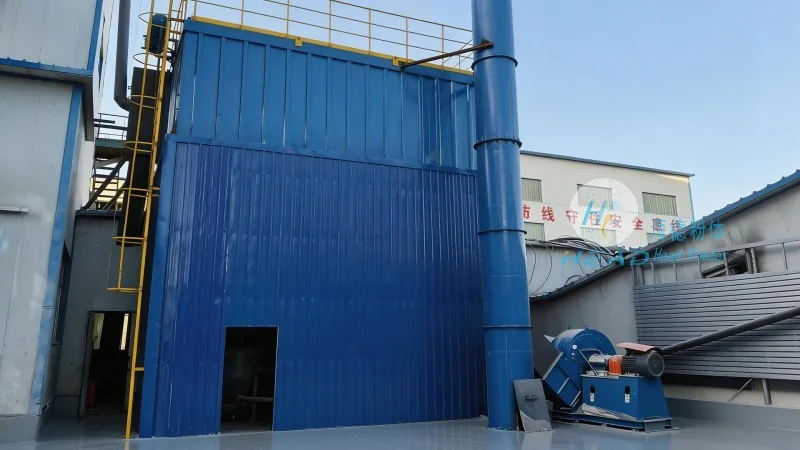
Introduction to Alloy Powder Conveying
Alloy powders are widely used in industries such as aerospace, automotive, and medical devices due to their high strength, corrosion resistance, and ability to be processed into complex components through additive manufacturing or traditional sintering. The effective transport of these powders from storage to processing equipment is essential to maintain consistent quality and prevent contamination. Conveying systems must handle the specific properties of alloy powders, including their particle size, density, flowability, and potential reactivity, to ensure safe and efficient operation.
The Importance of Efficient Conveying Systems for Alloy Powders
Efficient conveying systems for alloy powders contribute significantly to overall production efficiency. They reduce downtime by minimizing material handling bottlenecks, improve product quality by preventing segregation or agglomeration of particles, and enhance workplace safety by eliminating manual handling of powders. Additionally, advanced conveying systems can integrate with other production processes, such as mixing, drying, or sintering, to create a seamless workflow. Shandong HeadPowder Engineering Co., Ltd. understands these critical aspects and designs conveying solutions that align with the specific needs of each client, ensuring optimal performance and long-term reliability.
Common Conveying Methods for Alloy Powders
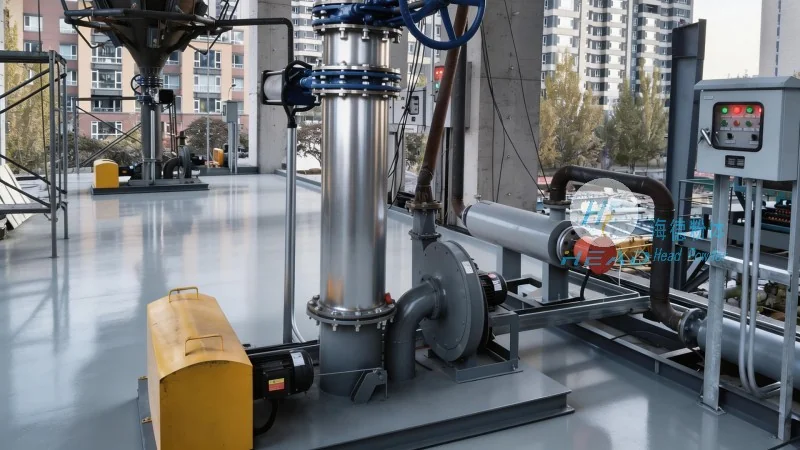
Several conveying methods are commonly employed in the handling of alloy powders, each with distinct advantages and limitations. The choice of method depends on factors such as the powder's properties, the required conveying distance, the volume of material to be handled, and the environmental conditions of the facility. The primary methods include pneumatic conveying, mechanical conveying, and hydraulic conveying systems.
1. Pneumatic Conveying Systems
Pneumatic conveying systems use air or other gases to transport powder particles through a pipeline. This method is particularly suitable for handling fine or abrasive alloy powders, as it minimizes particle degradation and provides excellent control over the flow rate. There are two main types of pneumatic conveying: pressure and vacuum systems. Pressure systems are ideal for short to medium conveying distances and high material throughput, while vacuum systems are better suited for longer distances or when the material needs to be transported from multiple sources. Pneumatic systems offer advantages such as low maintenance, the ability to handle abrasive materials, and the option to integrate with dust collection systems. However, they may require higher energy consumption and careful design to prevent particle segregation or clogging.
2. Mechanical Conveying Systems
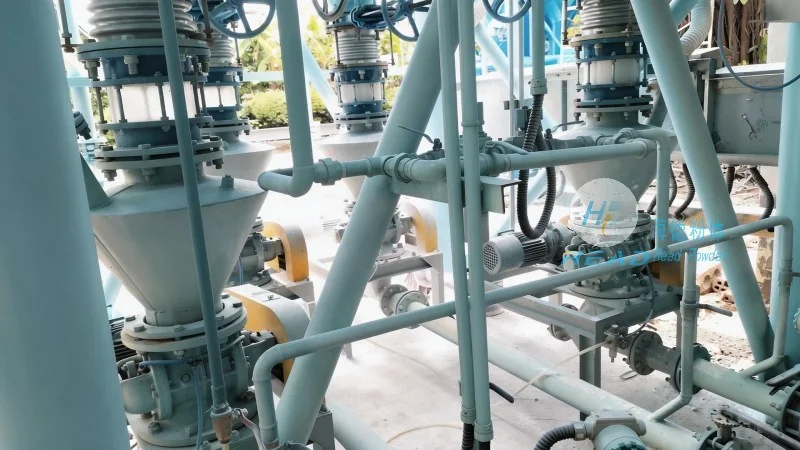
Mechanical conveying systems rely on mechanical components, such as screw conveyors, belt conveyors, or bucket elevators, to move powder. Screw conveyors are widely used for horizontal or slightly inclined transport of alloy powders, as they can handle a wide range of particle sizes and provide consistent flow. Belt conveyors are suitable for longer horizontal distances and can transport larger volumes of material. These systems are generally more cost-effective and energy-efficient compared to pneumatic systems, especially for short to medium distances. However, mechanical systems may be less effective for handling very fine or cohesive powders, as they can cause particle degradation or blockages if not properly designed. Shandong HeadPowder Engineering Co., Ltd. offers customized mechanical conveying solutions that optimize performance and durability for alloy powders.
3. Hydraulic Conveying Systems
Hydraulic conveying systems use liquid as the conveying medium, typically water or a specialized fluid, to transport powder. This method is particularly effective for handling highly abrasive or corrosive alloy powders, as the liquid protects the material from wear and corrosion. Hydraulic systems are often used in applications where the powder needs to be mixed with a liquid or where the material is sensitive to air exposure. They provide excellent control over the flow rate and can handle high volumes of material. However, hydraulic systems require more complex infrastructure, including pumps and filtration systems, and may have higher maintenance costs compared to pneumatic or mechanical systems. The choice of hydraulic system depends on the specific properties of the alloy powder and the operational requirements of the facility.
Comparison of Conveying Methods: Advantages and Disadvantages
When comparing pneumatic, mechanical, and hydraulic conveying systems for alloy powders, several factors must be considered. Pneumatic systems offer flexibility and the ability to handle fine powders but may have higher energy costs. Mechanical systems are cost-effective and energy-efficient but may struggle with very fine or cohesive powders. Hydraulic systems provide excellent protection for abrasive or corrosive powders but require more complex infrastructure. The optimal choice depends on the specific application, material properties, and operational constraints. Shandong HeadPowder Engineering Co., Ltd. conducts thorough assessments of client needs to recommend the most suitable conveying method, ensuring that the selected system meets performance, safety, and cost requirements.
Factors to Consider When Choosing a Conveying System for Alloy Powders
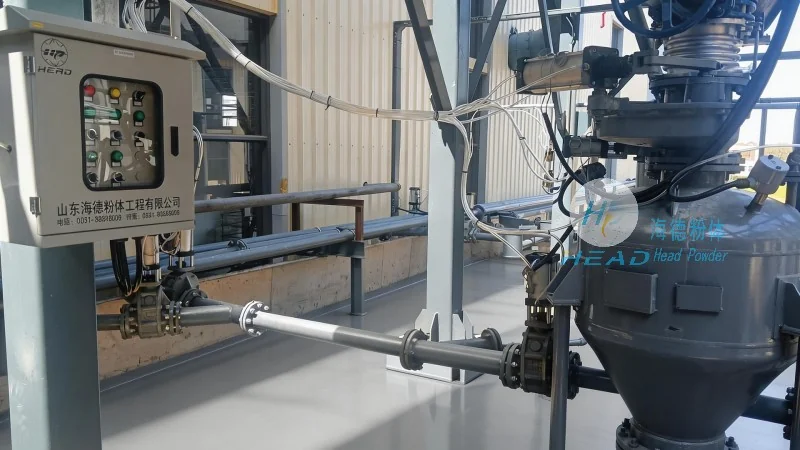
Choosing the right conveying system for alloy powders involves evaluating several key factors. First, the physical properties of the alloy powder, such as particle size, density, and flowability, must be considered. Fine or cohesive powders may require specialized equipment to prevent agglomeration or blockages. Second, the conveying distance and required throughput are critical. Longer distances or high volumes may necessitate more powerful systems, such as high-pressure pneumatic or hydraulic systems. Third, the environmental conditions of the facility, including temperature and humidity, can impact the choice of system. For example, in high-temperature environments, mechanical systems may be preferred to avoid heat exposure. Fourth, safety considerations, such as dust explosion prevention and material containment, are essential. Shandong HeadPowder Engineering Co., Ltd. takes all these factors into account when designing conveying systems, ensuring that the final solution is tailored to the unique needs of each client and complies with industry standards.
Conclusion
In conclusion, the selection of an appropriate conveying system for alloy powders is a critical decision that impacts production efficiency, product quality, and workplace safety. Pneumatic, mechanical, and hydraulic systems each offer unique advantages and limitations, and the optimal choice depends on the specific properties of the alloy powder and the operational requirements of the facility. Shandong HeadPowder Engineering Co., Ltd., with its expertise in powder handling solutions, provides customized conveying systems that address the challenges of alloy powder transport. By considering factors such as material properties, conveying distance, and safety requirements, industrial professionals can select the most suitable system to enhance their production processes and maintain competitive advantages in the market.

 Shandong Headpowder Engineering Co., Ltd.
 156-6277-7102(Quản lý Trương)
  0531-83386006
  Thành phố Tế Nam, Tỉnh Sơn Đông, Trung Quốc
Điện thoại
WeChatTư vấn
Lên đầu