Với hơn 10 năm kinh nghiệm về vận chuyển khí nén, Headpowder Sơn Đông cung cấp hệ thống, thiết bị và quạt gió toàn chuỗi, đảm nhận các dự án kỹ thuật bột trọn gói trên toàn quốc.
For industrial applications, particularly in denitration processes, the efficient and reliable transportation of urea is critical to operational performance and safety. Among the various methods available, selecting the right urea transportation system is essential for optimizing plant efficiency and minimizing downtime. This article provides a detailed comparison of common denitration urea transportation methods, highlighting their features, advantages, and considerations for implementation.
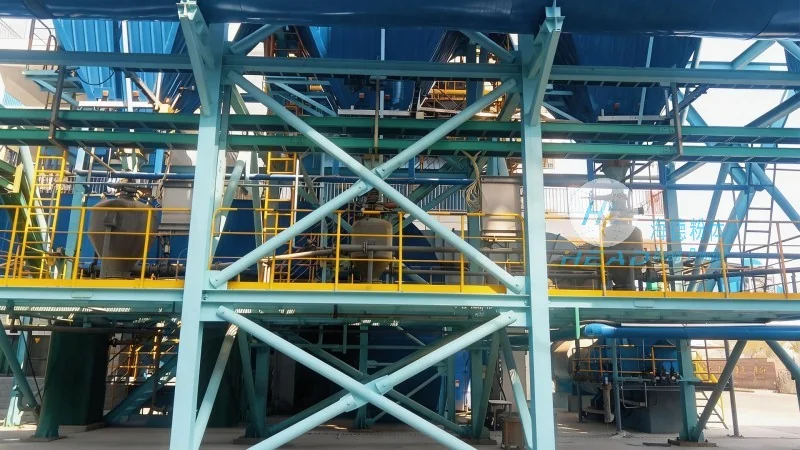
Introduction to Denitration Urea Transportation
Urea, a key reagent in selective catalytic reduction (SCR) systems for denitration, requires specialized handling due to its chemical properties and the high pressures or temperatures involved in the process. The transportation of urea from storage to the injection point in the SCR system must be done with precision to ensure consistent dosing and prevent degradation or blockages. Several methods are widely used in industrial settings, each with distinct characteristics that make them suitable for different plant configurations and operational requirements.
1. Pipeline and Pump Systems for Urea Transportation
One of the most common methods for urea transportation is through a dedicated pipeline system equipped with high-pressure pumps. This approach is widely adopted in large-scale power plants and industrial facilities where the urea solution is stored in bulk tanks and needs to be delivered to the SCR reactor at a controlled rate. The pipeline system typically consists of stainless steel or corrosion-resistant materials to prevent urea degradation and ensure long-term durability. High-pressure pumps, often centrifugal or positive displacement types, are used to maintain the required flow rates and pressures, ensuring consistent urea delivery to the injection system.
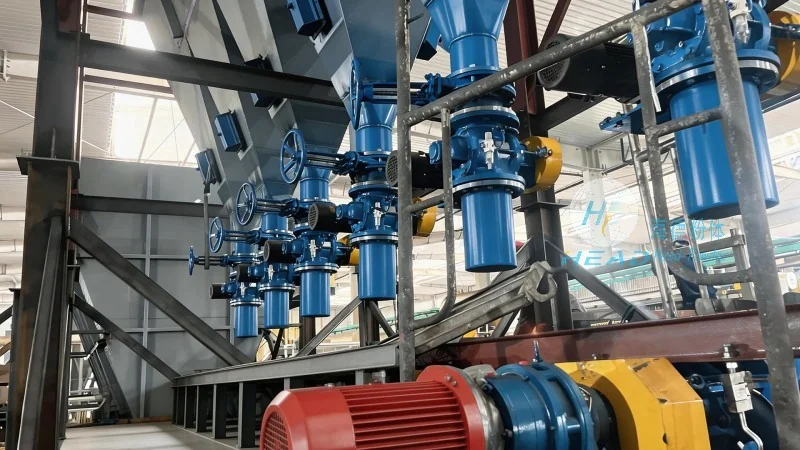
Advantages of this method include high reliability, consistent flow control, and the ability to handle large volumes of urea. The closed-loop system also minimizes exposure to environmental factors and reduces the risk of contamination. However, the initial investment for pipeline and pump infrastructure can be substantial, and maintenance requirements, such as regular pump checks and pipeline inspections, are necessary to prevent leaks or blockages. Additionally, the system may require specialized valves and controls to manage the high-pressure environment, adding to the operational complexity.
2. Gas-Lift or Air-Driven Pumps for Urea Solution Transfer
Another effective method for urea transportation involves the use of gas-lift or air-driven pumps, which are particularly useful in applications where the plant layout or terrain makes traditional pipeline systems impractical or costly. These pumps utilize compressed air or nitrogen to lift the urea solution from storage tanks to the injection point, eliminating the need for large, high-pressure pumps and extensive piping. The gas-lift system operates by injecting pressurized gas into the bottom of the urea tank, creating a pressure differential that forces the liquid to flow through the transfer line to the SCR system.
This method offers several benefits, including lower capital costs compared to traditional pump systems, reduced energy consumption, and the ability to handle varying flow rates without significant adjustments. The air-driven pumps are also more flexible in terms of installation, as they can be placed at different elevations and do not require a continuous high-pressure pipeline. However, the efficiency of gas-lift systems can be affected by the quality of the compressed air, and the system may be more susceptible to air leaks or pressure fluctuations, which could impact urea delivery consistency.
3. Mechanical Conveyors and Screw Pumps for Solid or Semi-Solid Urea
In some cases, urea may be transported in a semi-solid or solid form, particularly when it is used as a feedstock for other processes or when the plant requires a different handling approach. Mechanical conveyors, such as screw conveyors or belt conveyors, are commonly used to move urea from storage silos or bins to the processing equipment. These systems are designed to handle bulk materials and can be integrated with feeding mechanisms to ensure a steady flow of urea into the denitration system.
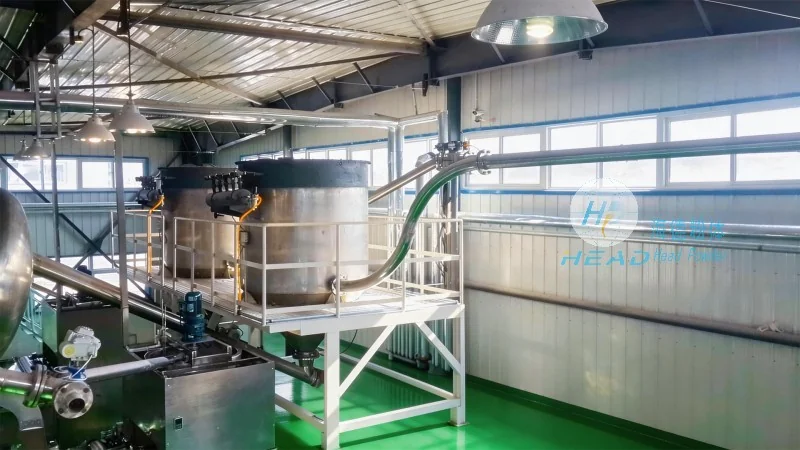
Screw pumps, in particular, are effective for transporting urea slurries or semi-solid mixtures, as they can maintain a consistent flow rate and handle varying viscosities. The mechanical design of these pumps minimizes the risk of clogging and allows for easy maintenance, making them suitable for applications where the urea solution may contain suspended solids or have a higher viscosity. However, the efficiency of mechanical conveyors and screw pumps can be affected by the material's bulk density and flow characteristics, and they may require additional equipment, such as hoppers or feeders, to ensure smooth operation.
Key Considerations for Selecting a Urea Transportation Method
When choosing a denitration urea transportation method, several factors must be considered to ensure optimal performance and cost-effectiveness. The first consideration is the plant's operational scale and the required flow rate of urea. Large-scale power plants typically use pipeline and pump systems due to their high capacity and reliability, while smaller facilities may opt for gas-lift or mechanical conveyor systems to reduce costs. The physical layout of the plant, including the location of storage tanks and the injection point, also plays a crucial role in determining the most suitable method. For example, if the storage tank is located at a higher elevation than the injection point, gravity-fed systems may be feasible, but most applications require active pumping to maintain the required pressure and flow.
Another important factor is the urea solution's properties, such as its concentration, temperature, and viscosity. High-concentration urea solutions may require specialized pumps or pipelines to prevent clogging or degradation, while lower concentrations may be handled more easily with standard equipment. The environmental and safety regulations in the region also need to be considered, as some transportation methods may require additional safety measures or compliance with local standards. For instance, the use of compressed air in gas-lift systems must adhere to safety guidelines to prevent leaks or explosions.
Role of Shandong HeadPowder Engineering Co., Ltd. in Urea Transportation Solutions
Shandong HeadPowder Engineering Co., Ltd., a leading provider of industrial engineering solutions, specializes in designing and implementing customized urea transportation systems for denitration applications. With years of experience in the power and chemical industries, the company has developed expertise in selecting and integrating the most appropriate transportation methods based on client-specific requirements. HeadPowder's solutions often combine elements of pipeline and pump systems with advanced control technologies to ensure precise urea dosing and optimal denitration performance.
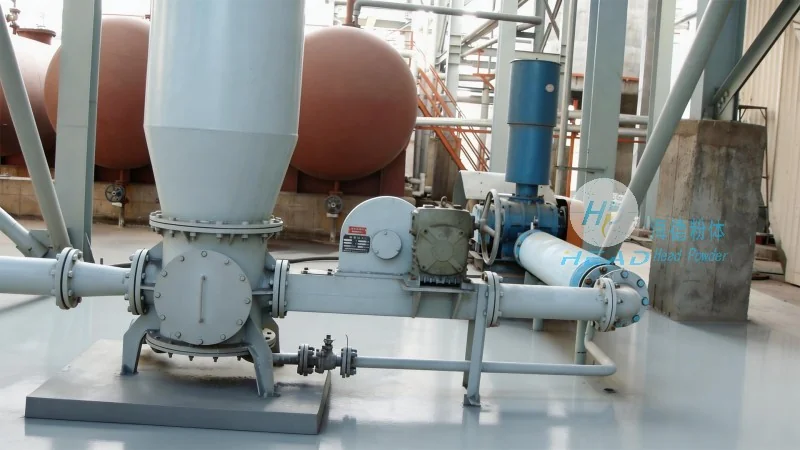
The company's engineers work closely with clients to assess the plant's operational needs, including flow rates, pressure requirements, and space constraints, and then propose tailored solutions that balance efficiency, reliability, and cost. For example, in a large coal-fired power plant, HeadPowder may recommend a combination of high-pressure pipeline systems and advanced pump controls to maintain consistent urea delivery to the SCR system, thereby improving overall plant efficiency and reducing nitrogen oxide emissions. In smaller industrial facilities, the company may opt for gas-lift or mechanical conveyor systems to provide a cost-effective solution without compromising performance.
HeadPowder also emphasizes the importance of regular maintenance and monitoring of urea transportation systems to ensure long-term reliability. The company offers comprehensive service packages, including system inspections, pump maintenance, and performance monitoring, to help clients maintain their urea transportation infrastructure and minimize downtime. By leveraging their expertise in industrial engineering and denitration processes, HeadPowder helps clients optimize their urea handling systems and achieve better operational outcomes.
Conclusion: Choosing the Right Urea Transportation Method
Ultimately, the choice of denitration urea transportation method depends on a combination of factors, including plant scale, operational requirements, and cost considerations. Pipeline and pump systems offer high reliability and capacity, while gas-lift or air-driven pumps provide flexibility and lower initial costs. Mechanical conveyors and screw pumps are suitable for handling solid or semi-solid urea. The key is to select a method that aligns with the specific needs of the plant and ensures consistent, reliable urea delivery to the denitration system.
With the expertise of companies like Shandong HeadPowder Engineering Co., Ltd., industrial facilities can access tailored solutions that address their unique challenges and optimize their denitration processes. By carefully evaluating the options and considering long-term operational factors, plants can select the most effective urea transportation method to enhance efficiency, reduce emissions, and maintain safe operations.

 Shandong Headpowder Engineering Co., Ltd.
 156-6277-7102(Quản lý Trương)
  0531-83386006
  Thành phố Tế Nam, Tỉnh Sơn Đông, Trung Quốc
Điện thoại
WeChatTư vấn
Lên đầu