Với hơn 10 năm kinh nghiệm về vận chuyển khí nén, Headpowder Sơn Đông cung cấp hệ thống, thiết bị và quạt gió toàn chuỗi, đảm nhận các dự án kỹ thuật bột trọn gói trên toàn quốc.
When it comes to the efficient handling and transportation of biomass pellets, selecting the right conveying method is crucial for optimizing production processes and ensuring consistent performance. Biomass pellets, derived from various organic materials like wood chips, agricultural residues, and other renewable resources, are widely used in power generation, heating, and industrial applications. The choice of conveying system directly impacts operational efficiency, maintenance costs, and overall system reliability. This article provides a detailed comparison of common biomass pellet conveying methods, highlighting their advantages, limitations, and suitability for different industrial scenarios.
Overview of Biomass Pellet Conveying Systems
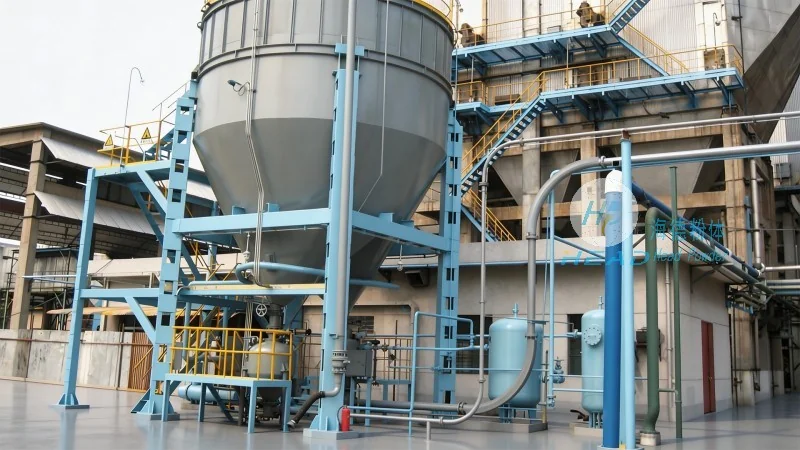
Biomass pellet conveying systems are designed to move pellets from storage or processing areas to the point of use, such as boilers, reactors, or packaging units. The primary goal is to achieve reliable, low-maintenance, and cost-effective material transport. Several technologies are commonly employed, each with distinct characteristics that make them suitable for specific applications. The key factors influencing the selection of a conveying method include pellet size and density, system length, required throughput, environmental conditions, and space availability.
1. Screw Conveyors (Auger Conveyors)
Screw conveyors, also known as auger conveyors, are one of the most widely used equipment for biomass pellet transport. These systems consist of a rotating helical screw inside a cylindrical tube, which moves pellets through the tube by friction. Screw conveyors are particularly effective for vertical or inclined transport, as well as horizontal movement over short to medium distances. They are known for their simplicity, low maintenance requirements, and ability to handle a wide range of pellet sizes without the need for additional components like buckets or belts. The design allows for a compact footprint, making them suitable for installations with limited space. However, screw conveyors may experience wear on the screw and tube over time, especially with abrasive pellets, and can be less efficient for long-distance horizontal transport due to the need for multiple drives or increased power consumption.
2. Belt Conveyors
Belt conveyors utilize a continuous belt looped over pulleys to transport biomass pellets. This method is highly effective for horizontal and slightly inclined transport over longer distances, making it ideal for bulk material handling in industrial settings. The belt can be made from various materials, such as rubber or synthetic fabrics, to withstand the abrasive nature of biomass pellets. Belt conveyors offer high throughput and can handle large volumes of material with minimal downtime. They are also relatively easy to install and maintain, with replaceable belts and pulleys. However, belt conveyors require more space compared to screw conveyors and may need additional support structures for long runs. The risk of belt slippage or misalignment can also impact performance if not properly maintained. Moreover, they are less suitable for vertical transport due to the need for steep inclines or multiple sections.
3. Pneumatic Conveying Systems
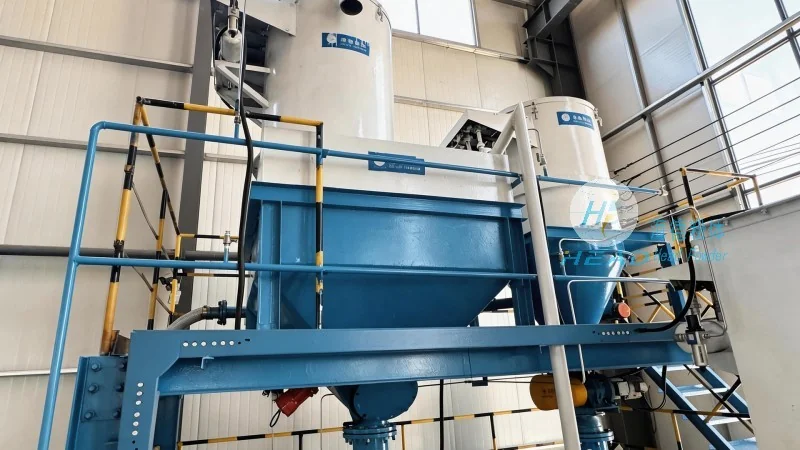
Pneumatic conveying systems use air or other gases to transport biomass pellets through a pipeline. This method is particularly advantageous for applications requiring enclosed, dust-free transport, as it prevents contamination and reduces dust emissions. Pneumatic conveyors can be categorized into two main types: pressure and vacuum systems. Pressure systems push pellets through the pipeline using compressed air, while vacuum systems draw pellets into the line using a vacuum pump. These systems are highly flexible, allowing for both horizontal and vertical transport over long distances with minimal space requirements. They are also capable of handling fine or irregularly shaped pellets without causing blockages. However, pneumatic conveying can be more energy-intensive compared to mechanical systems like screw or belt conveyors, as it requires significant air pressure or vacuum to move the material. Additionally, the design must account for pressure drops and potential air leakage, which can affect system efficiency and maintenance costs.
4. Bucket Elevators
Bucket elevators are vertical conveying systems that use a series of buckets attached to a chain or belt to lift biomass pellets from a lower to a higher level. This method is ideal for vertical transport, such as moving pellets from a storage silo to a processing unit at a higher elevation. Bucket elevators are known for their high lifting capacity and ability to handle large volumes of material with consistent performance. They are also relatively simple in design, with minimal moving parts, which reduces maintenance needs. However, bucket elevators are limited to vertical or near-vertical transport and are not suitable for horizontal movement. The design may require additional space for the vertical structure, and the buckets can experience wear from abrasive pellets, leading to periodic replacement. Moreover, the system may be more complex to install and adjust compared to other conveying methods.
5. Hydraulic Conveyors
Hydraulic conveyors utilize water or other fluids to transport biomass pellets through a pipeline. This method is primarily used in applications where the material is mixed with water, such as in the production of wet biomass pellets or for transporting slurry. Hydraulic systems are effective for handling wet or sticky pellets, as the fluid helps to lubricate and move the material through the pipeline. They are also capable of transporting pellets over long distances with consistent flow rates. However, hydraulic conveyors require additional equipment for fluid management, such as pumps and filtration systems, which increases complexity and maintenance. The system is also susceptible to clogging if the fluid becomes contaminated or if the pellet size is too large. Additionally, the environmental impact of water usage and potential waste disposal must be considered, making this method less common in dry biomass pellet applications.
Selection Criteria for Biomass Pellet Conveying
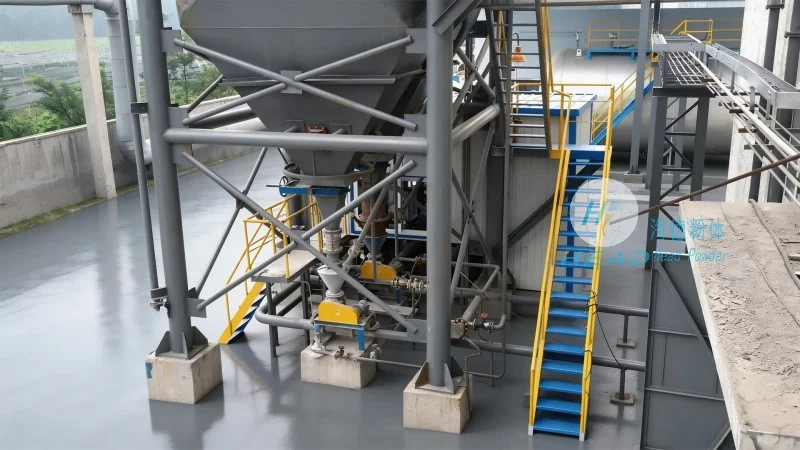
The choice of biomass pellet conveying method depends on several critical factors, including the specific requirements of the application, operational constraints, and cost considerations. Key selection criteria include:
Material Characteristics: The size, shape, density, and moisture content of the biomass pellets influence the suitability of a conveying system. For example, abrasive or high-density pellets may require more robust components in screw or belt conveyors.
Transport Distance and Layout: The distance and direction of transport (horizontal, vertical, or inclined) determine the most efficient system. Short horizontal or vertical distances may favor screw or bucket elevators, while long horizontal distances may require belt or pneumatic systems.
Throughput and Capacity: The required volume of material to be transported per hour dictates the capacity of the conveying system. High-throughput applications may necessitate multiple conveyors or larger-diameter components.
Space and Installation Constraints: Limited space or specific layout requirements can influence the choice between compact screw conveyors and larger belt or pneumatic systems.
Maintenance and Operational Costs: The long-term cost of maintenance, energy consumption, and downtime is a critical factor. Systems with lower maintenance needs and energy efficiency are often preferred for cost-effective operations.
Conclusion
Each biomass pellet conveying method has its unique advantages and limitations, making it suitable for specific industrial applications. Screw conveyors offer simplicity and versatility for short to medium transport, while belt conveyors excel in long horizontal runs. Pneumatic systems provide enclosed, flexible transport over long distances, and bucket elevators are ideal for vertical lifting. The selection of the most appropriate conveying system requires a thorough analysis of the material characteristics, operational requirements, and cost considerations. By understanding the strengths and weaknesses of each method, industrial operators can optimize their biomass handling processes, improve efficiency, and ensure reliable performance. For further assistance in selecting or implementing biomass pellet conveying solutions, Shandong HeadPowder Engineering Co., Ltd. offers expert consultation and customized equipment solutions tailored to specific industry needs.

 Shandong Headpowder Engineering Co., Ltd.
 156-6277-7102(Quản lý Trương)
  0531-83386006
  Thành phố Tế Nam, Tỉnh Sơn Đông, Trung Quốc
Điện thoại
WeChatTư vấn
Lên đầu