Với hơn 10 năm kinh nghiệm về vận chuyển khí nén, Headpowder Sơn Đông cung cấp hệ thống, thiết bị và quạt gió toàn chuỗi, đảm nhận các dự án kỹ thuật bột trọn gói trên toàn quốc.
When it comes to handling polyester fibers in industrial settings, selecting the right conveying method is crucial for efficiency, cost-effectiveness, and product integrity. The choice of conveying system directly impacts operational performance, maintenance requirements, and overall production quality. This article provides a detailed comparison of common polyester fiber conveying methods, highlighting their applications, advantages, and considerations for industrial use.
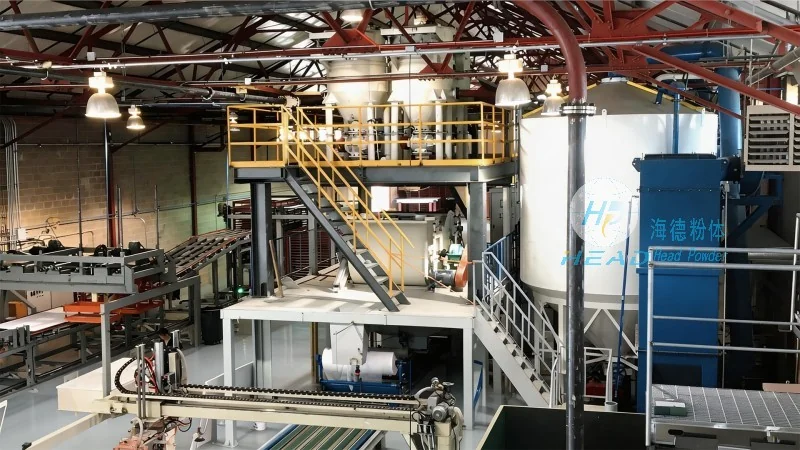
HeadPowder Engineering: Your Trusted Partner in Conveying Solutions
Shandong HeadPowder Engineering Co., Ltd. specializes in providing advanced conveying systems tailored to the unique needs of polyester fiber processing. With a focus on innovation and reliability, HeadPowder offers solutions that enhance productivity while ensuring the highest standards of material handling. Based in Shandong, China, the company leverages decades of industry experience to deliver customized conveying solutions that meet the demands of modern manufacturing.
1. Air-Flow Conveying System
Air-flow conveying, also known as pneumatic conveying, is a widely used method for transporting polyester fibers. This system utilizes compressed air to move fibers through a network of pipes. The primary advantage of air-flow conveying is its ability to handle fine or dusty materials without the need for mechanical components. It is particularly effective for short-distance transport and can be integrated with dust collection systems to maintain air quality. However, it may require higher energy consumption and careful maintenance to prevent clogging in the air lines.
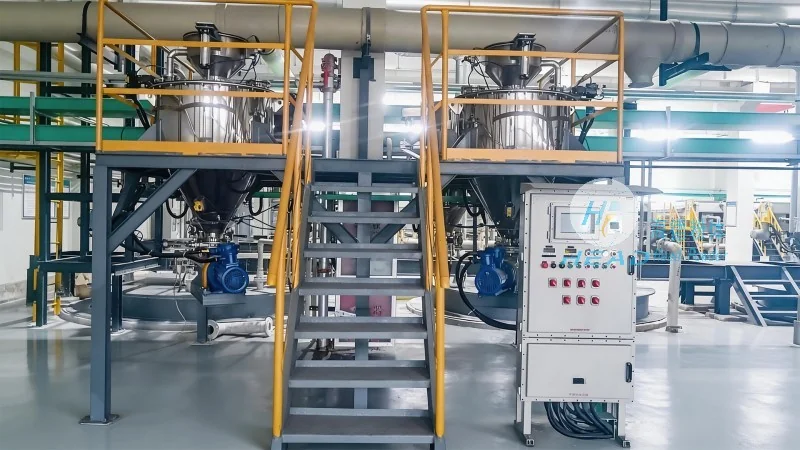
2. Mechanical Conveying with Belt or Chain Systems
Mechanical conveying systems, such as belt or chain conveyors, are another common approach for polyester fiber transport. These systems rely on mechanical components to move fibers along a path. Belt conveyors are ideal for transporting larger or bulkier polyester fibers, offering high load capacity and durability. Chain conveyors, on the other hand, are suitable for heavier or irregularly shaped fibers, providing consistent movement and reduced wear. Mechanical systems are generally more energy-efficient than air-flow systems and are easier to maintain, but they may require more space and are less flexible in terms of layout adjustments.
3. Screw or Auger Conveyors
Screw or auger conveyors are a type of mechanical system that uses a rotating screw to move polyester fibers. This method is particularly effective for handling fibrous materials that may tend to cling or compact. The screw design ensures continuous and uniform movement, reducing the risk of material buildup or blockages. Screw conveyors are often used in vertical or inclined applications, making them suitable for elevating fibers to higher levels or moving them between different processing stages. They are known for their simplicity and reliability, with minimal moving parts that require regular maintenance.
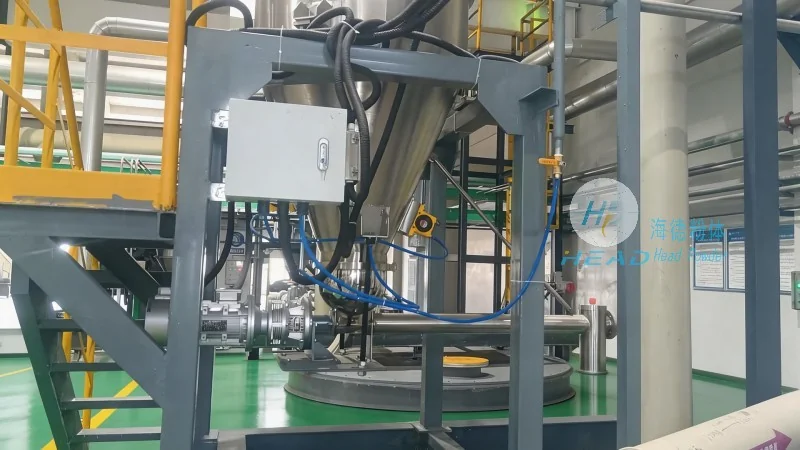
4. Vacuum Conveying Systems
Vacuum conveying is a variation of air-flow conveying that uses a vacuum to draw fibers into the system. This method is ideal for applications where the source of fibers is at a higher elevation or requires gentle handling. The vacuum system creates a negative pressure that pulls fibers through the pipes, minimizing damage to the fibers and reducing dust generation. Vacuum conveying is particularly effective for handling delicate or sensitive polyester fibers, as it provides a controlled and low-impact transport method. However, it may have limitations in terms of distance and material density, as higher vacuum pressures are needed for larger or heavier loads.
5. Hybrid Conveying Solutions
Many industrial applications benefit from hybrid conveying systems that combine different methods to optimize performance. For example, a combination of air-flow and mechanical conveyors can be used to transport polyester fibers over longer distances while maintaining efficiency. Hybrid systems allow for flexibility in handling various fiber types and processing requirements, making them a popular choice in modern manufacturing. HeadPowder Engineering offers customized hybrid solutions that integrate the best features of each method, ensuring optimal performance and cost-effectiveness for clients.

 Shandong Headpowder Engineering Co., Ltd.
 156-6277-7102(Quản lý Trương)
  0531-83386006
  Thành phố Tế Nam, Tỉnh Sơn Đông, Trung Quốc
Điện thoại
WeChatTư vấn
Lên đầu