Với hơn 10 năm kinh nghiệm về vận chuyển khí nén, Headpowder Sơn Đông cung cấp hệ thống, thiết bị và quạt gió toàn chuỗi, đảm nhận các dự án kỹ thuật bột trọn gói trên toàn quốc.
Desulfurization gypsum, a byproduct of flue gas desulfurization in thermal power plants and other industrial facilities, requires efficient and reliable transport systems to meet the demands of modern construction and industrial applications. The choice of conveying method significantly impacts operational efficiency, cost-effectiveness, and environmental compliance. This article explores the various conveying methods available for desulfurization gypsum, with a particular focus on the advantages and features of pneumatic conveying, a technology widely adopted in the industry.
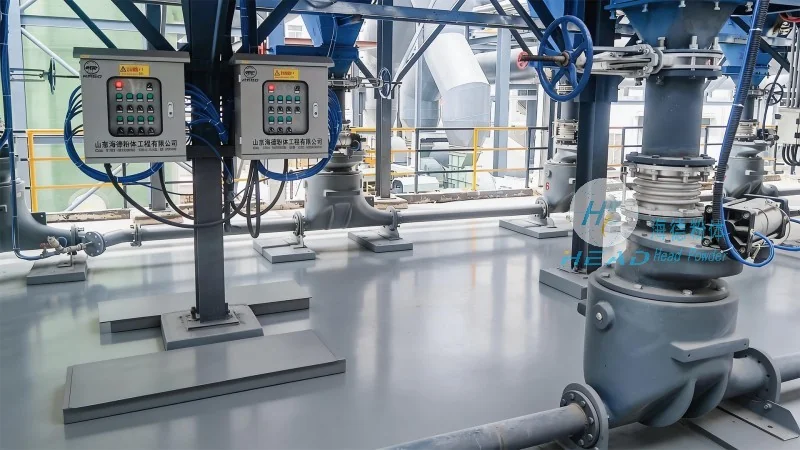
Common Conveying Methods for Desulfurization Gypsum
Several conventional methods are used for transporting desulfurization gypsum, including belt conveyors, screw conveyors, and hydraulic systems. Belt conveyors are widely used due to their simplicity and ability to handle large volumes of material over long distances. However, they may suffer from issues such as material buildup, wear and tear on the belt, and the need for regular maintenance. Screw conveyors are another option, particularly suitable for vertical or inclined transport, but they are limited by the risk of material bridging and blockages, which can lead to operational disruptions. Hydraulic systems, while effective for certain applications, often require specialized equipment and may face challenges related to fluid management and system reliability.
Pneumatic Conveying: A Modern Solution for Desulfurization Gypsum Transport
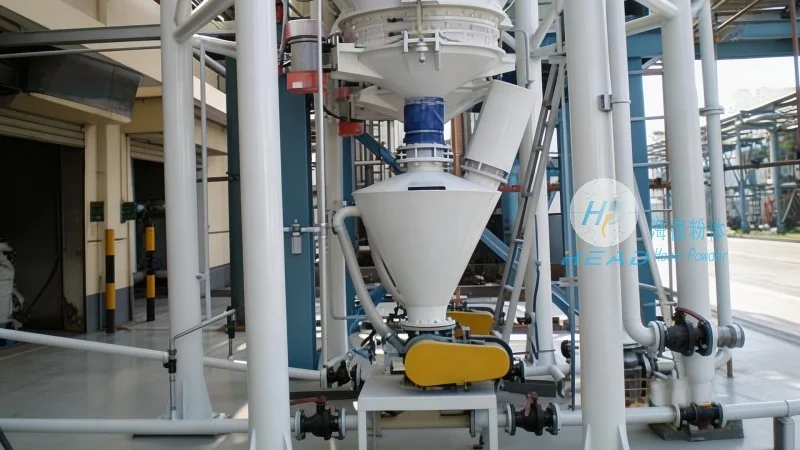
Pneumatic conveying, also known as air conveying, has emerged as a preferred method for transporting desulfurization gypsum due to its numerous advantages. This technology uses compressed air to move the gypsum through a pipeline system, eliminating the need for mechanical components like belts or screws. The primary benefits of pneumatic conveying include high efficiency, minimal maintenance, and the ability to handle both dry and wet gypsum without compromising the material's quality. The system operates by creating a pressure differential that propels the gypsum particles through the pipeline, ensuring a continuous and controlled flow.
Key Advantages of Pneumatic Conveying for Desulfurization Gypsum
One of the most significant advantages of pneumatic conveying is its ability to maintain the purity and quality of the desulfurization gypsum. Unlike mechanical systems that may cause dust generation or material contamination, pneumatic systems keep the gypsum in a closed environment, reducing the risk of environmental pollution and ensuring compliance with regulatory standards. Additionally, pneumatic conveying offers flexibility in terms of layout and system design, allowing for integration with existing infrastructure or expansion of the conveying network as needed. The technology also provides better control over the conveying speed and pressure, enabling precise management of the material flow and minimizing the risk of overloading or underloading the system.
Features and Technical Specifications of Pneumatic Conveying Systems
The effectiveness of pneumatic conveying systems for desulfurization gypsum depends on several key features and technical specifications. The system design typically includes a blower or compressor to generate the necessary air pressure, a hopper or feeder to introduce the gypsum into the pipeline, and a receiver or silo to collect the material at the destination. The choice of pipeline material, such as stainless steel or plastic, is critical to prevent corrosion and ensure durability. The system's capacity, measured in terms of material flow rate and pressure drop, is determined by factors like the gypsum's particle size, moisture content, and the length and diameter of the pipeline. Advanced pneumatic conveying systems may also incorporate features like pulse jet cleaning to maintain pipeline efficiency and prevent blockages.
Case Study: Application of Pneumatic Conveying by Shandong HeadPowder Engineering Co., Ltd.
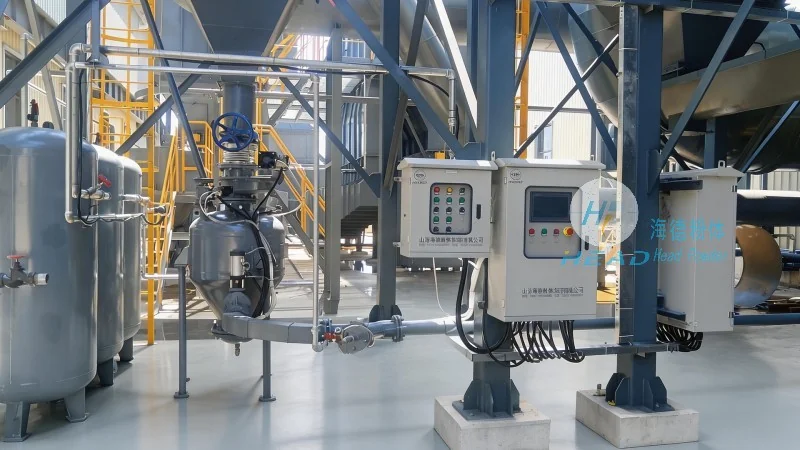
Shandong HeadPowder Engineering Co., Ltd., a leading provider of industrial conveying solutions, has successfully implemented pneumatic conveying systems for desulfurization gypsum in various power plants and industrial facilities across China. The company's expertise in designing and manufacturing customized pneumatic conveying systems has enabled clients to achieve significant improvements in operational efficiency and cost savings. For instance, a thermal power plant in Shandong Province adopted a pneumatic conveying system from HeadPowder, which reduced the time and labor required for gypsum transport by 30% compared to traditional belt conveyor systems. The system also minimized dust emissions and improved the overall safety of the operation, aligning with the plant's environmental and safety standards.
Conclusion and Recommendations
In conclusion, pneumatic conveying represents a highly effective and efficient method for transporting desulfurization gypsum, offering numerous advantages over traditional mechanical systems. The technology's ability to maintain material quality, reduce maintenance costs, and provide flexibility in system design makes it an ideal choice for modern industrial applications. For companies considering the implementation of a desulfurization gypsum conveying system, it is recommended to consult with experienced providers like Shandong HeadPowder Engineering Co., Ltd., who can offer tailored solutions based on specific operational requirements and site conditions. By leveraging the benefits of pneumatic conveying, industrial facilities can enhance their operational performance, reduce costs, and ensure compliance with environmental regulations.

 Shandong Headpowder Engineering Co., Ltd.
 156-6277-7102(Quản lý Trương)
  0531-83386006
  Thành phố Tế Nam, Tỉnh Sơn Đông, Trung Quốc
Điện thoại
WeChatTư vấn
Lên đầu