Với hơn 10 năm kinh nghiệm về vận chuyển khí nén, Headpowder Sơn Đông cung cấp hệ thống, thiết bị và quạt gió toàn chuỗi, đảm nhận các dự án kỹ thuật bột trọn gói trên toàn quốc.
When it comes to the efficient handling and transportation of glass raw materials, selecting the right conveying system is crucial for optimizing production processes and ensuring product quality. At Shandong HeadPowder Engineering Co., Ltd., we specialize in providing tailored solutions that address the unique challenges of glass manufacturing facilities. This article delves into the various glass raw material conveying methods, highlighting their applications, advantages, and how our expertise can enhance your operations.
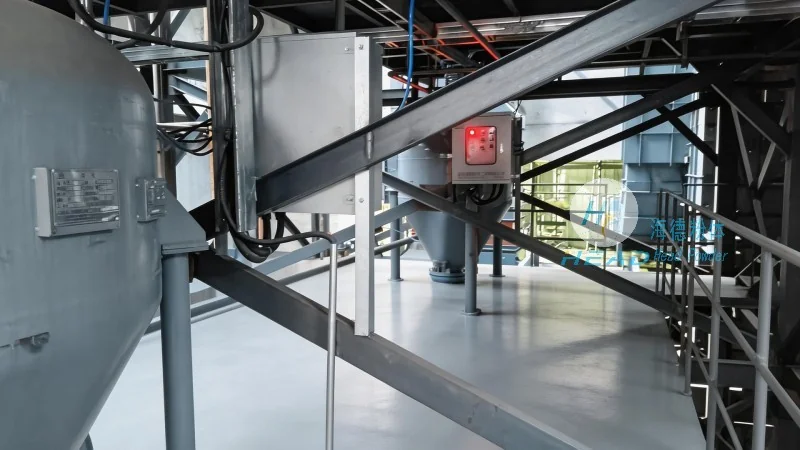
Understanding Glass Raw Materials and Conveying Needs
Glass raw materials, such as sand, soda ash, limestone, and other additives, require specialized handling due to their varying particle sizes, moisture content, and chemical properties. Conveying systems must be designed to minimize material degradation, prevent contamination, and maintain consistent flow rates. The choice of conveying method depends on factors like material characteristics, production scale, and the layout of the manufacturing plant. At HeadPowder, we assess these factors to recommend the most suitable solution for each client.
1. Belt Conveyor Systems for Bulk Glass Raw Materials
Belt conveyors are among the most common and versatile methods for transporting bulk glass raw materials. These systems use a continuous belt to move materials from one point to another, making them ideal for long-distance and high-volume applications. The belt can be made of various materials, including rubber or PVC, to accommodate different material types and environmental conditions. A key advantage of belt conveyors is their ability to handle a wide range of particle sizes, from fine powders to larger aggregates. At HeadPowder, our belt conveyor solutions are engineered for durability and efficiency, with features like adjustable speed controls and heavy-duty frames to withstand the demands of glass production.
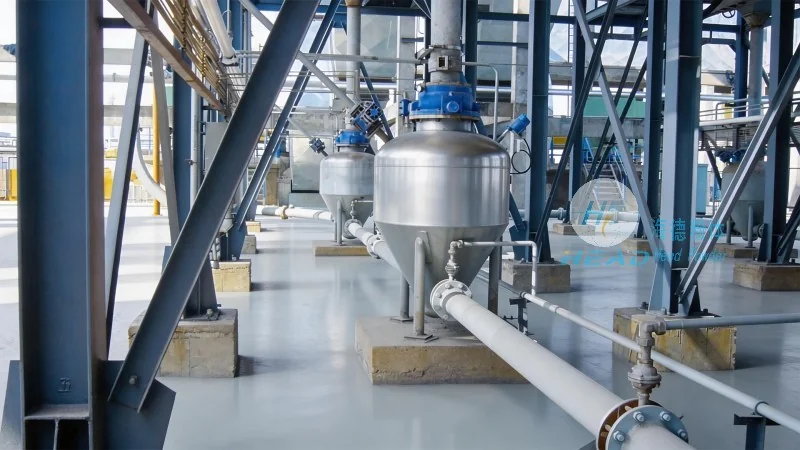
2. Screw Conveyors for Fine Glass Powders
For transporting fine glass powders and granules, screw conveyors offer a reliable and compact solution. These systems consist of a rotating screw (or auger) inside a tube, which moves material forward through the conveyor. Screw conveyors are particularly effective for materials with low flowability or those that tend to settle, as the screw provides consistent agitation and prevents clogging. They are often used in batching systems or for feeding raw materials into mixers. HeadPowder’s screw conveyor designs prioritize smooth operation and minimal material degradation, ensuring that your glass powders remain in optimal condition throughout the conveying process.
3. Bucket Elevators for Vertical Material Transport
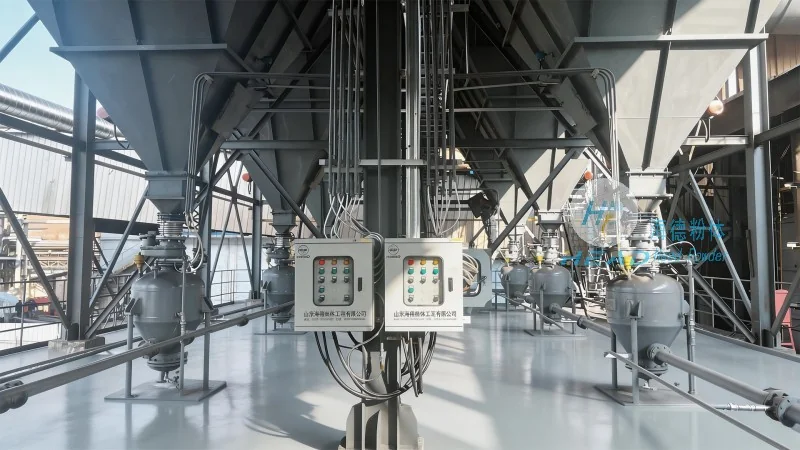
Vertical material transport is often necessary in glass manufacturing to move raw materials from lower to upper levels of the plant. Bucket elevators, also known as chain or belt elevators, are ideal for this purpose. These systems use buckets attached to a chain or belt that travels vertically, lifting materials from a lower hopper to an upper discharge point. Bucket elevators are capable of handling a wide range of materials, including heavy or abrasive glass raw materials, and can achieve high vertical lift heights. At HeadPowder, our bucket elevator solutions are designed for high capacity and low maintenance, with features like wear-resistant buckets and robust drive systems to ensure long-term performance.
4. Pneumatic Conveying Systems for Dust-Free Transport
Pneumatic conveying systems use air pressure to transport glass raw materials, providing a dust-free and enclosed solution for handling fine powders. These systems can be categorized into pressure or vacuum types, depending on the application. Pressure systems force air and material through a pipeline, while vacuum systems draw material into the system. Pneumatic conveying is particularly advantageous for materials that are sensitive to moisture or contamination, as the enclosed system prevents exposure to the environment. HeadPowder’s pneumatic conveying solutions are engineered for efficiency and reliability, with features like adjustable air flow controls and filtration systems to maintain material purity.
5. Vibrating Conveyors for Uniform Material Flow
Vibrating conveyors use vibration to move glass raw materials along a trough, ensuring uniform flow and preventing material buildup. These systems are effective for materials with poor flowability or those that tend to segregate. The vibration helps to break up clumps and maintain consistent material movement, reducing the risk of clogging or uneven discharge. Vibrating conveyors are often used in feeding applications or for transporting materials over short distances. At HeadPowder, our vibrating conveyor designs incorporate adjustable vibration frequencies and amplitudes to optimize material handling for specific glass raw materials.
How HeadPowder Enhances Glass Raw Material Conveying
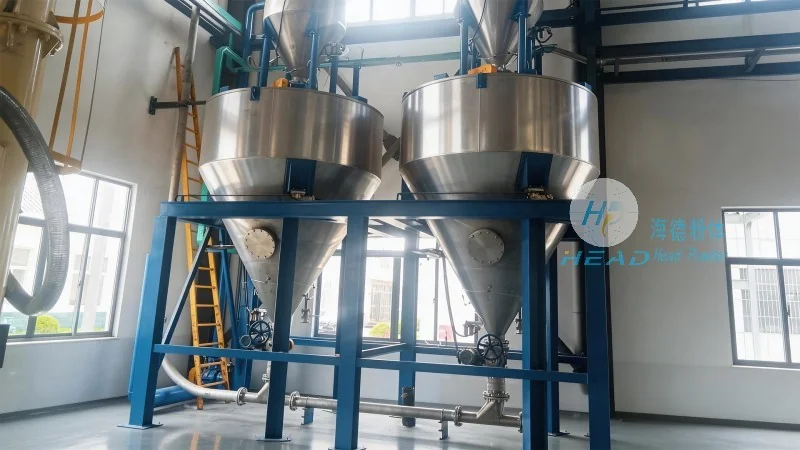
At Shandong HeadPowder Engineering Co., Ltd., we combine our expertise in material handling with advanced engineering to deliver customized glass raw material conveying solutions. Our team of engineers works closely with clients to understand their specific requirements, from production capacity to space constraints, and designs systems that meet both functional and operational needs. We offer a range of conveyor types, including belt, screw, bucket elevators, pneumatic, and vibrating conveyors, each tailored to the unique characteristics of glass raw materials. Our solutions are built with high-quality components and materials, ensuring durability and long service life. Additionally, we provide comprehensive after-sales support, including maintenance services and spare parts availability, to minimize downtime and maximize productivity.
Conclusion: Choosing the Right Conveying Method for Your Glass Production
The selection of a glass raw material conveying method is a critical decision that impacts the efficiency and quality of glass manufacturing. By understanding the properties of your raw materials and the requirements of your production process, you can choose the most suitable conveying system. At HeadPowder, we are committed to providing innovative and reliable solutions that enhance your operations. Whether you need a belt conveyor for bulk transport or a pneumatic system for fine powders, our team is ready to assist you in selecting and implementing the best conveying solution for your glass production facility. Contact us today to learn more about how HeadPowder can optimize your glass raw material handling processes.

 Shandong Headpowder Engineering Co., Ltd.
 156-6277-7102(Quản lý Trương)
  0531-83386006
  Thành phố Tế Nam, Tỉnh Sơn Đông, Trung Quốc
Điện thoại
WeChatTư vấn
Lên đầu