Với hơn 10 năm kinh nghiệm về vận chuyển khí nén, Headpowder Sơn Đông cung cấp hệ thống, thiết bị và quạt gió toàn chuỗi, đảm nhận các dự án kỹ thuật bột trọn gói trên toàn quốc.
When it comes to transporting sawdust and husk, selecting the right conveying method is crucial for efficiency, cost-effectiveness, and operational safety. The choice of system can significantly impact production processes in industries such as woodworking, agriculture, and biomass energy. This article explores various conveying methods available for sawdust and husk, with a focus on the advantages and features of pneumatic conveying systems. The information is presented by Shandong HeadPowder Engineering Co., Ltd., a leading provider of specialized engineering solutions for material handling in China.
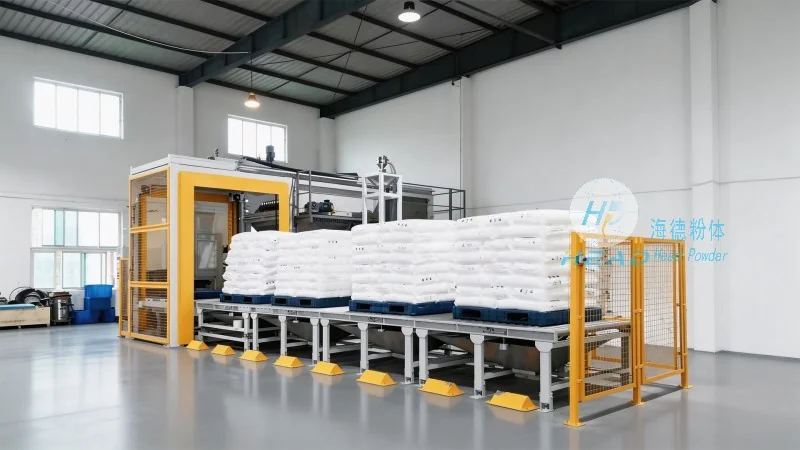
Understanding the Conveying Challenges of Sawdust and Husk
Sawdust and husk are lightweight, fine-grained materials that pose unique challenges during transportation. Traditional methods like belt conveyors or bucket elevators may struggle with material buildup, dust generation, and the need for frequent maintenance. These materials are often abrasive and can cause wear on equipment, leading to higher operational costs and downtime. Additionally, the hygroscopic nature of sawdust and husk means they can absorb moisture, affecting their flow properties and increasing the risk of clogging. Therefore, an effective conveying system must address these challenges while ensuring reliable and continuous material transport.
Common Conveying Methods for Sawdust and Husk
Several conventional methods are used for transporting sawdust and husk, each with its own set of advantages and limitations. Belt conveyors are widely used for horizontal or slightly inclined transport, but they are prone to material spillage and require regular cleaning. Bucket elevators are effective for vertical transport but can experience blockages and require significant power input. Screw conveyors are suitable for short-distance transport but may suffer from material degradation due to friction and heat generation. These methods often require additional equipment for dust control and may not be suitable for long-distance or complex routing requirements.
Pneumatic Conveying: A Superior Solution for Sawdust and Husk Transport
Pneumatic conveying systems offer a highly efficient and flexible solution for transporting sawdust and husk. Unlike mechanical systems, pneumatic conveyors use air pressure to move materials through a pipeline, eliminating the need for physical contact and reducing wear on components. This method is particularly advantageous for handling fine, lightweight materials that are prone to clogging and abrasion. The system typically consists of a blower, a hopper for material storage, and a pipeline network that directs the material to its destination. By controlling air pressure and flow rates, operators can precisely regulate the speed and direction of material transport, ensuring consistent performance.
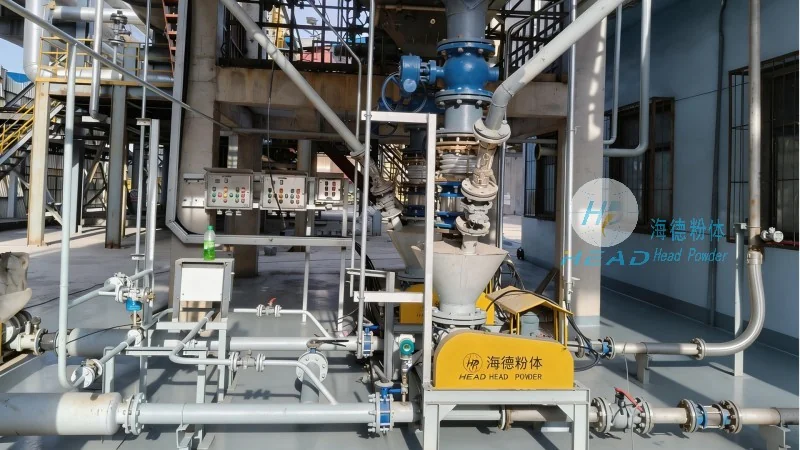
Key Advantages of Pneumatic Conveying for Sawdust and Husk
One of the primary advantages of pneumatic conveying is its ability to handle fine and abrasive materials without causing excessive wear or damage. The enclosed pipeline system prevents dust from escaping into the environment, improving workplace safety and reducing the risk of fire hazards. Additionally, pneumatic systems can transport materials over long distances with minimal loss, making them ideal for large-scale operations. The flexibility of the system allows for easy integration with existing equipment and can be adapted to various production layouts. Another key benefit is the reduced need for maintenance, as there are fewer moving parts compared to mechanical conveyors. This leads to lower operational costs and increased uptime.
Features and Customization Options for Pneumatic Conveying Systems
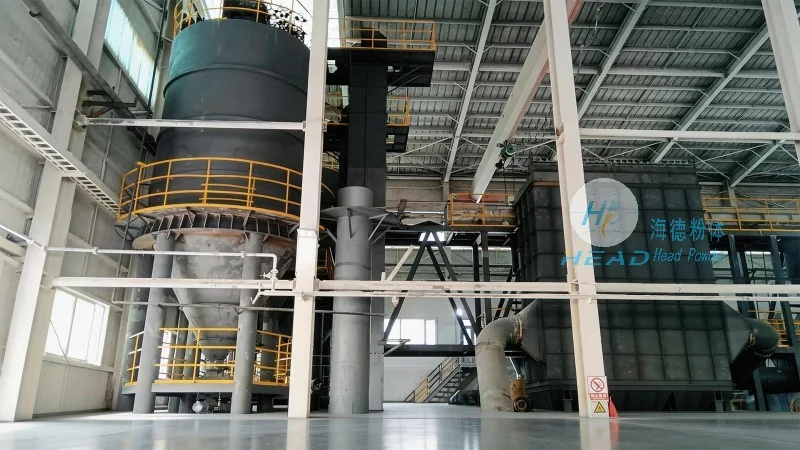
Modern pneumatic conveying systems for sawdust and husk offer a range of features and customization options to meet specific operational needs. Variable frequency drives (VFDs) allow for precise control of air pressure and flow, optimizing energy consumption and material transport efficiency. The use of high-efficiency blowers and filters ensures consistent performance and reduces maintenance requirements. Additionally, advanced control systems can monitor system parameters in real-time, providing alerts for potential issues and enabling proactive maintenance. Customization options include different pipeline materials (e.g., stainless steel, PVC) to suit the material's properties and environmental conditions. For example, stainless steel pipelines are ideal for corrosive or abrasive materials, while PVC is suitable for non-corrosive applications.
Case Studies: Successful Implementations of Pneumatic Conveying
Shandong HeadPowder Engineering Co., Ltd. has successfully implemented pneumatic conveying systems in various industrial applications, demonstrating their effectiveness in improving operational efficiency. In a woodworking plant, the company installed a pneumatic conveying system to transport sawdust from the cutting area to a storage silo. The system reduced material handling time by 40% and minimized dust accumulation in the facility. In another project, a biomass energy plant utilized a pneumatic system to convey husk from the processing area to a boiler. The system's ability to handle long-distance transport and maintain material quality helped increase the plant's output by 25%. These case studies highlight the practical benefits of pneumatic conveying for sawdust and husk transport, reinforcing its position as a superior solution.
Conclusion: Choosing the Right Conveying System for Sawdust and Husk
When selecting a conveying system for sawdust and husk, it is essential to consider the specific requirements of the operation, including material properties, distance, and environmental factors. While conventional methods like belt conveyors and bucket elevators have their uses, pneumatic conveying systems offer significant advantages in terms of efficiency, flexibility, and safety. The enclosed pipeline design reduces dust exposure, the ability to handle fine materials without clogging, and the lower maintenance requirements make pneumatic systems a cost-effective choice for long-term operations. Shandong HeadPowder Engineering Co., Ltd. specializes in designing and manufacturing customized pneumatic conveying solutions tailored to the unique needs of each client. By leveraging advanced technology and engineering expertise, the company ensures that its systems meet the highest standards of performance and reliability.

 Shandong Headpowder Engineering Co., Ltd.
 156-6277-7102(Quản lý Trương)
  0531-83386006
  Thành phố Tế Nam, Tỉnh Sơn Đông, Trung Quốc
Điện thoại
WeChatTư vấn
Lên đầu