Với hơn 10 năm kinh nghiệm về vận chuyển khí nén, Headpowder Sơn Đông cung cấp hệ thống, thiết bị và quạt gió toàn chuỗi, đảm nhận các dự án kỹ thuật bột trọn gói trên toàn quốc.
Epoxy resin, a versatile material widely utilized in construction, electronics, and manufacturing sectors, often necessitates efficient and reliable transportation methods. The choice of a conveying system can significantly influence production efficiency, material integrity, and operational costs. Among the various options available, pneumatic conveying emerges as a preferred solution for epoxy resin due to its unique advantages and characteristics. This article provides an overview of different epoxy resin conveying methods, with a focus on the benefits and features of pneumatic conveying systems.
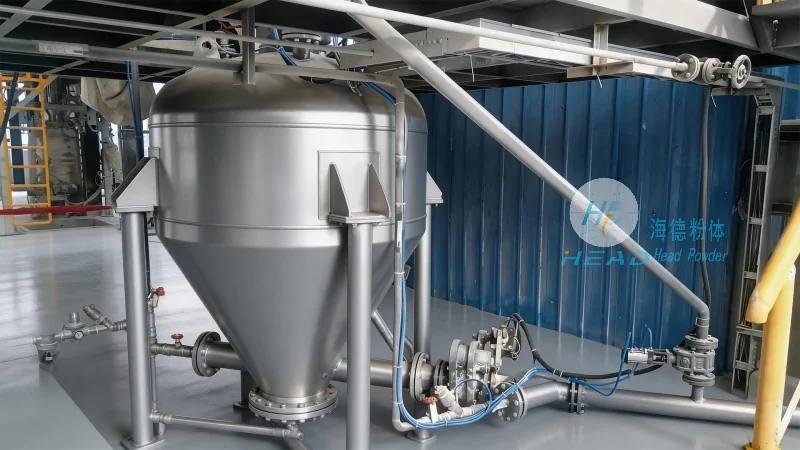
About HeadPowder Engineering
HeadPowder, a leading manufacturer specializing in material handling and processing equipment, focuses on delivering high-quality solutions for the transportation of powders, including epoxy resin. With years of industry experience and a commitment to innovation, HeadPowder has established itself as a trusted partner for businesses seeking efficient and effective conveying systems. The company’s headquarters is located in Shandong, China, where it continuously develops and refines its products to meet the evolving demands of the market.
The Advantages of Pneumatic Conveying for Epoxy Resin
Pneumatic conveying, also known as air conveying, employs air pressure to transport solid materials like epoxy resin through a pipeline. This technology offers several advantages over traditional methods such as belt conveyors or bucket elevators. One key benefit is the ability to handle fine powders without causing dust or contamination, which is crucial for maintaining the quality of epoxy resin. Additionally, pneumatic conveying systems can be designed as closed-loop systems, reducing environmental pollution risks and ensuring a clean working environment. The flexibility of these systems allows for easy integration into existing production lines and customization to handle different particle sizes and flow rates. Another significant advantage is the energy efficiency of pneumatic conveying, as it minimizes mechanical component usage and reduces long-term maintenance costs.
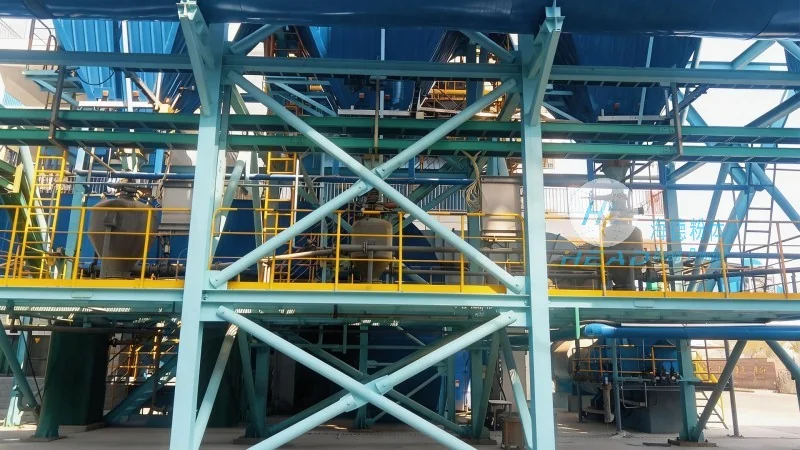
Comparison of Epoxy Resin Conveying Methods
While pneumatic conveying is highly effective, other methods are also employed for epoxy resin transportation. For instance, mechanical conveyors like screw or belt conveyors are suitable for bulk materials with larger particle sizes. However, these systems may not be as efficient for fine epoxy powders, as they can lead to material degradation or increased dust generation. Vacuum conveying is another alternative, utilizing a vacuum to draw materials into a pipeline. This method is effective for short distances and low flow rates but may not be suitable for high-volume applications. In contrast, pneumatic conveying systems can handle high flow rates and long distances with minimal pressure drops, making them ideal for large-scale production environments. The choice of conveying method ultimately depends on specific application requirements, including material properties, production volume, and operational constraints.
Applications and Industries Using Epoxy Resin Conveying Systems
Epoxy resin conveying systems are widely utilized across various industries where precision and reliability are critical. In the construction industry, these systems are used to transport epoxy resins for flooring, coatings, and adhesives. The electronics industry employs epoxy resins for encapsulation and potting, requiring clean and dust-free conveying to maintain product quality. Additionally, in the manufacturing sector, epoxy resins are used in composite materials and surface treatments, where consistent material handling is essential for product consistency. HeadPowder’s pneumatic conveying systems are designed to meet the specific needs of these industries, ensuring efficient and contamination-free transportation of epoxy resin.
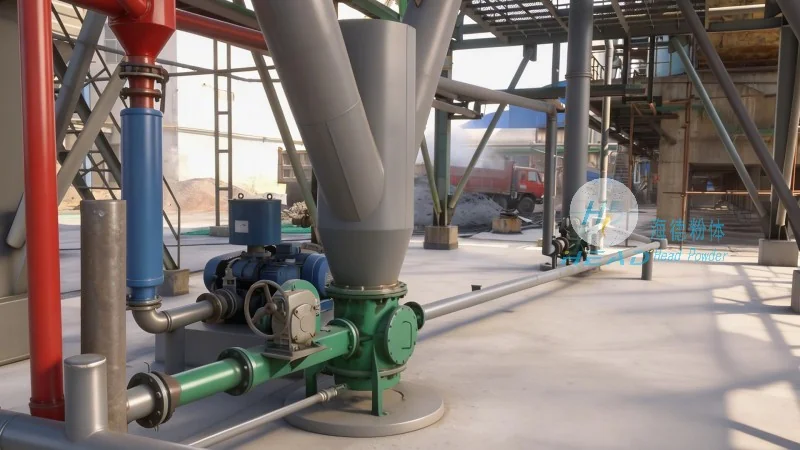
Conclusion
In conclusion, selecting an appropriate epoxy resin conveying method is vital for optimizing production processes and preserving material quality. Pneumatic conveying, with its advantages in fine powder handling, closed-loop operation, and energy efficiency, is a preferred choice for many industries. HeadPowder Engineering, with its expertise and dedication to quality, provides reliable and effective conveying solutions for epoxy resin transportation. By understanding the different conveying methods and their applications, industries can make informed decisions to enhance operational efficiency and product quality.

 Shandong Headpowder Engineering Co., Ltd.
 156-6277-7102(Quản lý Trương)
  0531-83386006
  Thành phố Tế Nam, Tỉnh Sơn Đông, Trung Quốc
Điện thoại
WeChatTư vấn
Lên đầu