Với hơn 10 năm kinh nghiệm về vận chuyển khí nén, Headpowder Sơn Đông cung cấp hệ thống, thiết bị và quạt gió toàn chuỗi, đảm nhận các dự án kỹ thuật bột trọn gói trên toàn quốc.
Handling sintered dust and fly ash requires reliable and efficient transport solutions to ensure smooth operations in industrial settings. The choice of conveying method significantly impacts productivity, operational costs, and environmental safety. Various technologies are employed for this purpose, ranging from traditional mechanical systems to advanced pneumatic solutions. This article delves into the different sintered dust and fly ash conveying methods, with a particular emphasis on the benefits and characteristics of pneumatic conveying systems. As a leading provider of industrial conveying solutions, Shandong HeadPowder Engineering Co., Ltd. specializes in designing and implementing efficient systems for handling sintered dust and fly ash, ensuring optimal performance and compliance with industry standards.
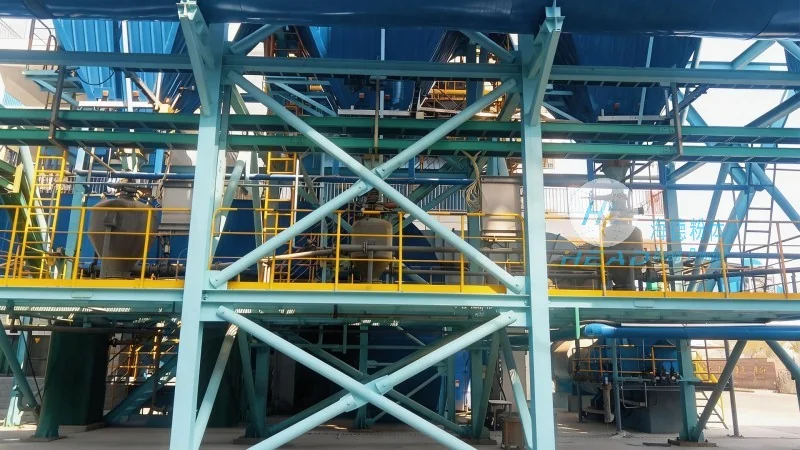
Common Conveying Methods for Sintered Dust and Fly Ash
Before discussing the advantages of pneumatic conveying, it is essential to understand the primary methods used for transporting sintered dust and fly ash. These include mechanical and pneumatic systems, each with distinct applications and limitations.
1. Mechanical Conveying Systems: Mechanical methods such as belt conveyors, screw conveyors, and bucket elevators are widely used in bulk material handling. These systems rely on physical contact between the material and the conveying equipment. While effective for certain applications, they may face challenges with fine, dusty materials like sintered dust and fly ash, which can lead to blockages, wear, and increased maintenance costs.
2. Pneumatic Conveying Systems: Pneumatic conveying, also known as air conveying, uses compressed air to transport materials through a pipeline. This method is particularly suitable for handling sintered dust and fly ash due to its ability to move fine powders without direct contact, minimizing contamination and wear.
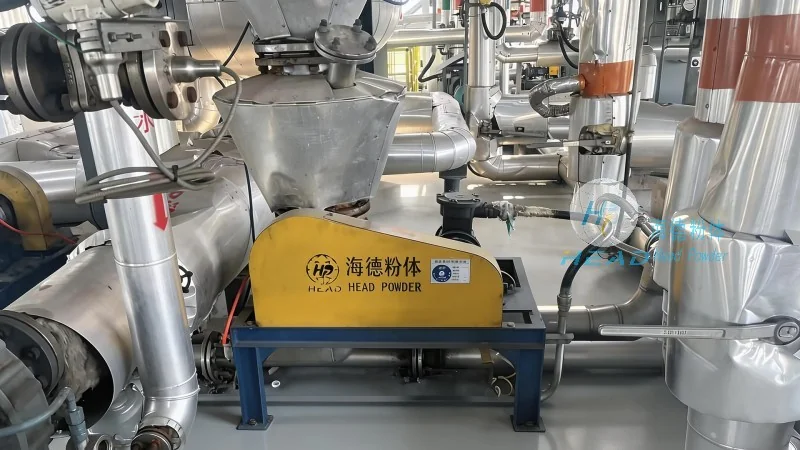
The Advantages of Pneumatic Conveying for Sintered Dust and Fly Ash
Pneumatic conveying systems offer several key advantages that make them an attractive choice for sintered dust and fly ash transport. These benefits include:
1. No Mechanical Contact: Unlike mechanical systems, pneumatic conveying does not involve physical contact between the material and the conveying equipment. This reduces wear and tear on the system components, leading to lower maintenance costs and longer service life.
2. Clean and Contamination-Free Transport: Pneumatic systems are ideal for transporting materials that require high levels of cleanliness. The enclosed pipeline prevents dust from escaping into the environment, ensuring compliance with environmental regulations and maintaining a safe working environment.
3. High Efficiency and Capacity: Pneumatic conveying can handle large volumes of sintered dust and fly ash at high speeds, making it suitable for continuous and high-throughput operations. The system's ability to transport materials over long distances without significant loss of velocity or pressure makes it efficient for various industrial applications.
4. Versatility: Pneumatic conveying systems can be adapted to different operational needs, including horizontal, vertical, and inclined transport. They can also handle a wide range of particle sizes and densities, making them versatile for diverse sintered dust and fly ash compositions.
Key Features of Pneumatic Conveying Systems
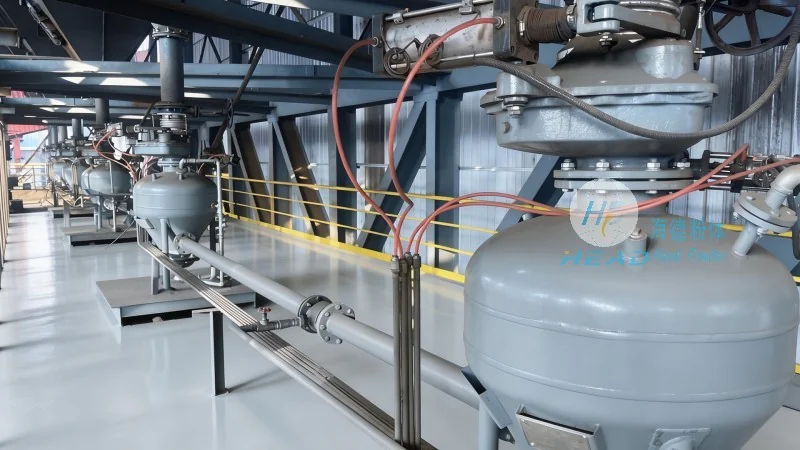
Modern pneumatic conveying systems for sintered dust and fly ash are equipped with several features that enhance their performance and reliability. These features include:
1. Air Compressors and Filters: High-quality air compressors and filtration systems are essential for maintaining the efficiency and cleanliness of the pneumatic conveying process. Proper filtration prevents dust from entering the compressor, extending its lifespan and ensuring consistent air quality.
2. Material Separation and Conditioning: Some systems incorporate separation and conditioning equipment to improve material flow and prevent blockages. This may include cyclones, rotary valves, and air locks that help manage the material's behavior within the pipeline.
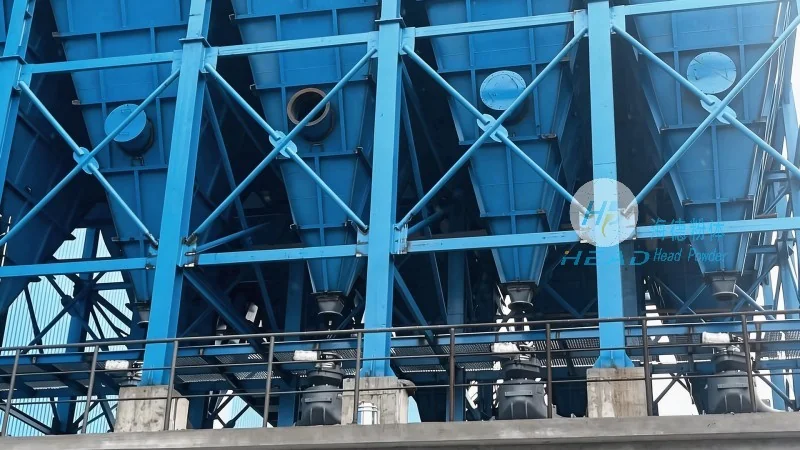
3. Control Systems: Advanced control systems allow for precise regulation of the conveying process, including pressure, flow rate, and material discharge. These systems enhance operational flexibility and help optimize energy consumption.
Application Examples in Industrial Settings
Pneumatic conveying systems are widely used in various industrial applications involving sintered dust and fly ash. For instance, in steel mills and power plants, these systems are employed to transport sintered dust from storage silos to processing units or disposal sites. The ability to handle fine, abrasive materials without causing damage to the equipment makes pneumatic conveying a preferred choice in such environments.
In cement and mineral processing industries, pneumatic conveying is also utilized to transport fly ash from storage facilities to mixing and blending operations. The systems' ability to maintain material integrity and prevent contamination ensures the quality of the final products.
Conclusion
When selecting a conveying method for sintered dust and fly ash, it is important to consider the specific requirements of the application, including material characteristics, distance, and environmental regulations. Pneumatic conveying systems, as highlighted in this article, offer significant advantages in terms of efficiency, cleanliness, and versatility. By leveraging advanced technology and proper system design, companies can achieve reliable and cost-effective transport of sintered dust and fly ash, ensuring smooth operations and compliance with industry standards.

 Shandong Headpowder Engineering Co., Ltd.
 156-6277-7102(Quản lý Trương)
  0531-83386006
  Thành phố Tế Nam, Tỉnh Sơn Đông, Trung Quốc
Điện thoại
WeChatTư vấn
Lên đầu