Với hơn 10 năm kinh nghiệm về vận chuyển khí nén, Headpowder Sơn Đông cung cấp hệ thống, thiết bị và quạt gió toàn chuỗi, đảm nhận các dự án kỹ thuật bột trọn gói trên toàn quốc.
When it comes to the transportation of soybean meal, various methods are employed to ensure efficient and safe delivery. Understanding these methods is crucial for businesses involved in the soybean processing industry, as the choice of transportation method can impact logistics costs, product quality, and overall supply chain efficiency. Shandong HeadPowder Engineering Co., Ltd., a leading provider in the field, offers expertise in optimizing soybean meal transportation solutions to meet the diverse needs of its clients.
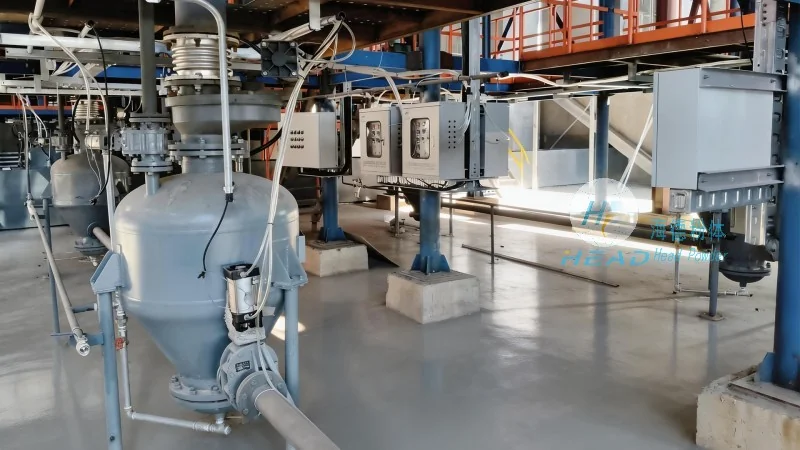
Common Methods of Soybean Meal Transportation
There are several primary methods used for transporting soybean meal, each with its own advantages and considerations. The most common approaches include bulk transport via trucks, rail, and waterways, as well as specialized containers and packaging solutions.
Bulk Truck Transportation
Bulk truck transportation is one of the most widely used methods for moving soybean meal. Trucks are capable of carrying large quantities of the product, making them suitable for short to medium-distance deliveries. This method offers flexibility in terms of delivery schedules and can reach locations that are not easily accessible by rail or water. The trucks used for this purpose are typically equipped with specialized trailers designed to prevent spillage and maintain the quality of the soybean meal during transit.
Railway Transportation
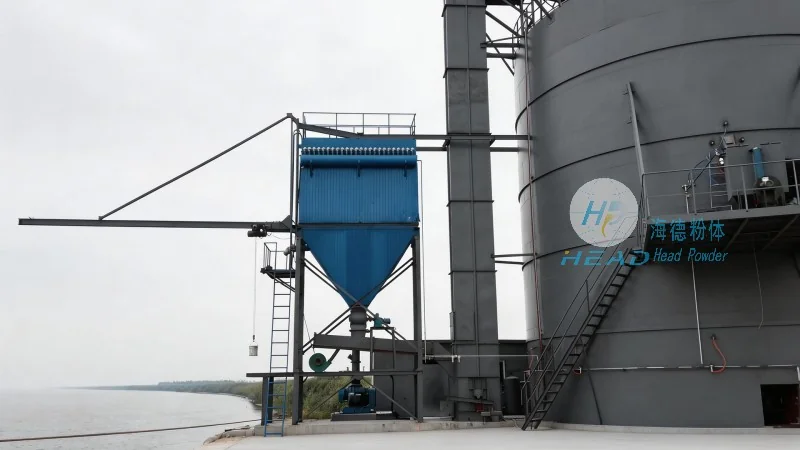
For longer distances and larger volumes, railway transportation is often preferred. Railcars are designed to carry bulk commodities, including soybean meal, in a secure and efficient manner. This method is particularly advantageous for companies with large-scale operations, as it can transport significant quantities of soybean meal over long distances with relatively lower per-unit costs compared to trucking. However, the limitation lies in the fixed routes and schedules, which may not be as flexible as trucking.
Waterway Transportation
Waterway transportation, such as shipping via barges or vessels, is another viable option, especially for bulk shipments moving over long distances. This method is often the most cost-effective for large volumes and long-distance transport. The use of specialized vessels ensures that the soybean meal is kept in a dry and secure environment, minimizing the risk of moisture damage or contamination. Waterway transport is particularly beneficial for companies located near major waterways or ports.
Specialized Packaging and Container Solutions
In addition to bulk transport methods, specialized packaging and containers are used to meet specific transportation needs. For example, bulk bags (also known as big bags or FIBCs) are commonly used for transporting soybean meal in bulk. These bags are made from durable materials and are designed to be filled, transported, and emptied efficiently. They are often preferred for their cost-effectiveness and ease of handling compared to traditional containers. Additionally, some companies use sealed containers or palletized packaging to ensure the product remains intact and free from contamination during transit.
Factors Influencing the Choice of Transportation Method
The choice of transportation method for soybean meal is influenced by several factors, including the volume of the shipment, the distance to be covered, the destination's accessibility, and the budget constraints. For instance, small to medium-sized shipments over short distances may opt for truck transportation due to its flexibility and speed. In contrast, large-scale shipments over long distances may find rail or waterway transport more economical. The availability of infrastructure, such as ports or railway stations, also plays a crucial role in determining the most suitable method.
Ensuring Product Quality During Transportation
Regardless of the transportation method chosen, maintaining the quality of soybean meal is paramount. This involves implementing proper packaging, securing the load, and monitoring the conditions during transit. For example, trucks and railcars may be equipped with temperature and humidity controls to prevent spoilage. Similarly, waterway vessels may use ventilation systems to keep the product dry. Companies must also adhere to safety regulations and best practices to minimize the risk of accidents or spills that could compromise the product's quality.
Conclusion
In conclusion, the methods of soybean meal transportation vary based on the specific needs of the business, including volume, distance, and budget. Bulk truck, railway, and waterway transport are the primary options, each with its own advantages and limitations. Specialized packaging solutions also play a role in ensuring the product reaches its destination in optimal condition. By carefully evaluating these factors, companies can select the most appropriate transportation method to ensure efficient and cost-effective delivery of soybean meal. Shandong HeadPowder Engineering Co., Ltd. continues to innovate and provide tailored transportation solutions to support the soybean processing industry.

 Shandong Headpowder Engineering Co., Ltd.
 156-6277-7102(Quản lý Trương)
  0531-83386006
  Thành phố Tế Nam, Tỉnh Sơn Đông, Trung Quốc
Điện thoại
WeChatTư vấn
Lên đầu