Với hơn 10 năm kinh nghiệm về vận chuyển khí nén, Headpowder Sơn Đông cung cấp hệ thống, thiết bị và quạt gió toàn chuỗi, đảm nhận các dự án kỹ thuật bột trọn gói trên toàn quốc.
Effective transport of aggregate materials is a critical aspect of construction and industrial operations. The choice of transport method significantly impacts efficiency, cost, and safety in material handling processes. Understanding the various options available helps businesses select the most suitable solution for their specific needs. This article explores the primary methods for transporting aggregate materials, focusing on the technologies and applications that are widely used in the industry.
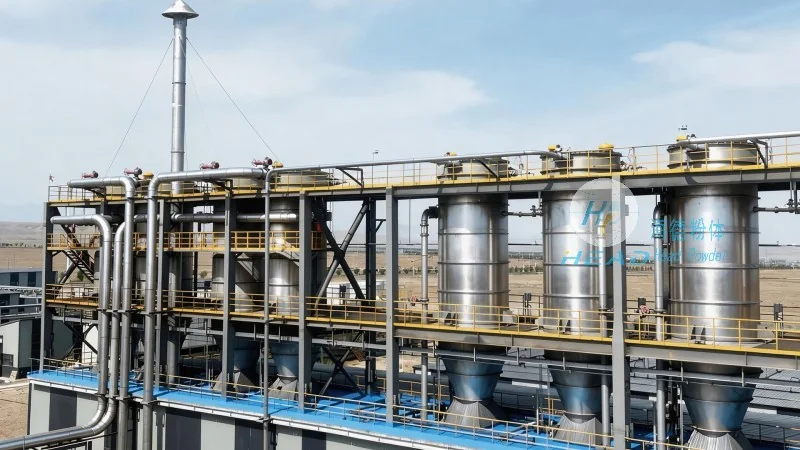
Key Factors Influencing Transport Method Selection
Before delving into specific transport methods, it's essential to consider the key factors that influence the selection process. These factors include the type and size of the aggregate material, the distance to be covered, the required throughput capacity, environmental considerations, and budget constraints. For instance, for long-distance horizontal transport over several hundred meters, belt conveyors are often preferred due to their high capacity and low maintenance costs. In contrast, vertical transport or short-distance horizontal movement may be better suited to other equipment like bucket elevators or screw conveyors.
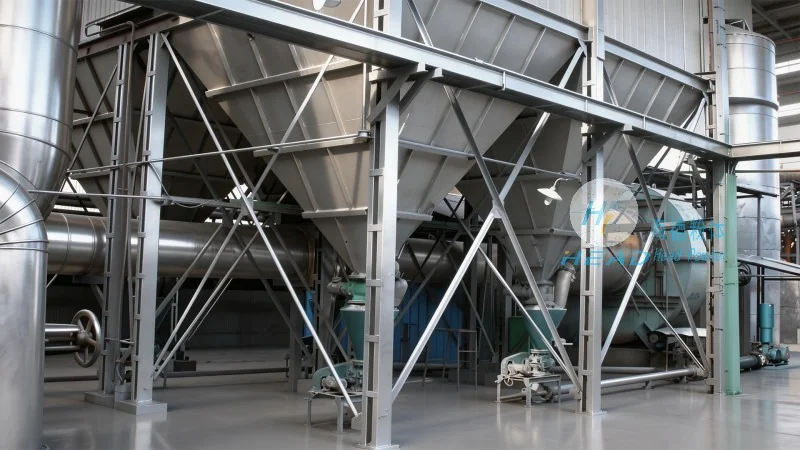
1. Belt Conveyors: The Workhorse of Aggregate Transport
Belt conveyors are among the most common and versatile methods for transporting aggregate materials. These systems consist of a continuous loop of material (usually rubber or synthetic) that moves over rollers or pulleys. The conveyor belt carries the aggregate from the loading point to the discharge point, making it ideal for both horizontal and slight incline transport. A key advantage of belt conveyors is their ability to handle large volumes of material with minimal labor. They are widely used in quarries, construction sites, and recycling facilities. The robust design of these systems ensures durability even under heavy loads and harsh operating conditions. For example, in a quarry operation, a belt conveyor can transport crushed stone from the crushing plant to the storage yard, facilitating smooth workflow and reducing manual handling. The efficiency of belt conveyors is further enhanced by features such as variable speed drives and adjustable discharge chutes, which allow for precise control over material flow.
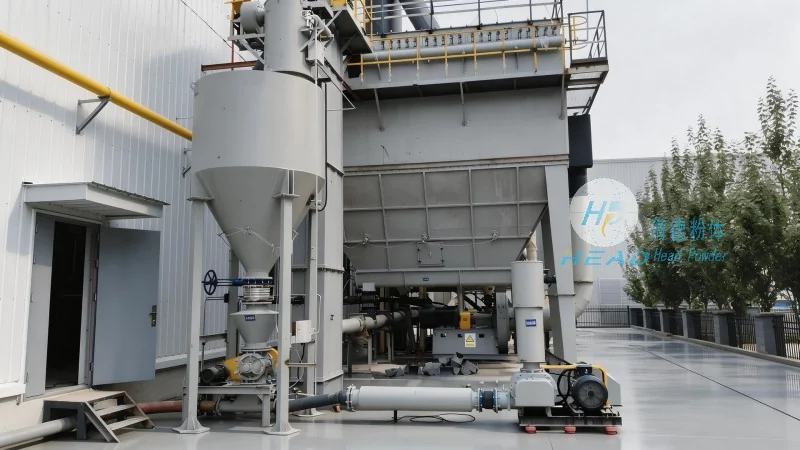
2. Bucket Elevators: Vertical Transport Solutions
For vertical transport of aggregate materials, bucket elevators are an excellent choice. These systems use a vertical or inclined shaft with a continuous chain or belt that carries buckets to lift material from a lower to a higher level. Bucket elevators are particularly effective for transporting materials over vertical heights of up to several hundred feet, making them suitable for applications where elevation changes are necessary. The design of bucket elevators allows for high capacity and minimal material spillage, as the buckets are designed to hold and release material at the top and bottom of the lift. This makes them ideal for transporting sand, gravel, and other fine to medium-sized aggregates. In industrial settings, bucket elevators are often integrated with other material handling equipment, such as feeders and storage silos, to create a seamless material flow system. The reliability of bucket elevators is a major advantage, as they can operate continuously without frequent maintenance, ensuring consistent performance in demanding environments.
3. Screw Conveyors: Compact and Versatile Horizontal Transport
Screw conveyors, also known as auger conveyors, are compact and efficient for horizontal or slight incline transport of aggregate materials. These systems consist of a rotating screw (auger) inside a trough or tube, which moves material forward as the screw rotates. Screw conveyors are particularly useful for transporting fine powders or granular materials that might be prone to clogging in other systems. They are commonly used in applications such as feeding raw materials into processing equipment or transferring materials within a production line. The design of screw conveyors allows for easy installation and maintenance, as the screw and trough can be accessed for cleaning or replacement. For example, in a concrete mixing plant, a screw conveyor can transport sand and gravel from storage bins to the mixing machine, ensuring a steady supply of raw materials. The compact size of screw conveyors also makes them suitable for spaces with limited horizontal space, where larger equipment like belt conveyors may not fit. However, it's important to note that screw conveyors have lower capacity compared to belt conveyors and are more suitable for shorter distances or smaller volumes.

 Shandong Headpowder Engineering Co., Ltd.
 156-6277-7102(Quản lý Trương)
  0531-83386006
  Thành phố Tế Nam, Tỉnh Sơn Đông, Trung Quốc
Điện thoại
WeChatTư vấn
Lên đầu