Với hơn 10 năm kinh nghiệm về vận chuyển khí nén, Headpowder Sơn Đông cung cấp hệ thống, thiết bị và quạt gió toàn chuỗi, đảm nhận các dự án kỹ thuật bột trọn gói trên toàn quốc.
When it comes to handling and transporting algae residue pellets, selecting the right conveying method is crucial for efficiency and cost-effectiveness. Algae residue, often a byproduct of aquaculture or wastewater treatment processes, requires specialized equipment to move from production sites to processing facilities or disposal areas. This article provides a detailed comparison of common conveying methods used for algae residue pellets, highlighting their advantages and disadvantages to help industries make informed decisions.
Shandong HeadPowder Engineering Co., Ltd., a leading manufacturer in the field, specializes in providing customized conveying solutions tailored to the unique needs of clients. With a focus on innovation and quality, the company has developed advanced systems that address the challenges associated with transporting algae residue pellets. Based in Shandong, China, HeadPowder Engineering leverages local expertise and resources to deliver reliable and efficient conveying equipment for various industrial applications.
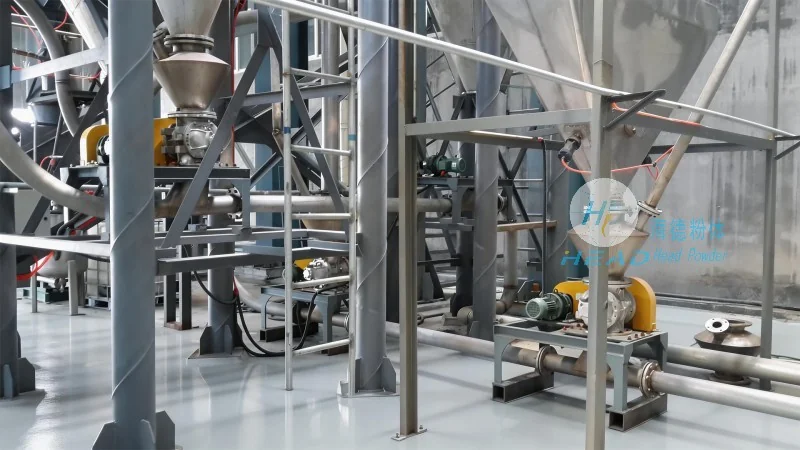
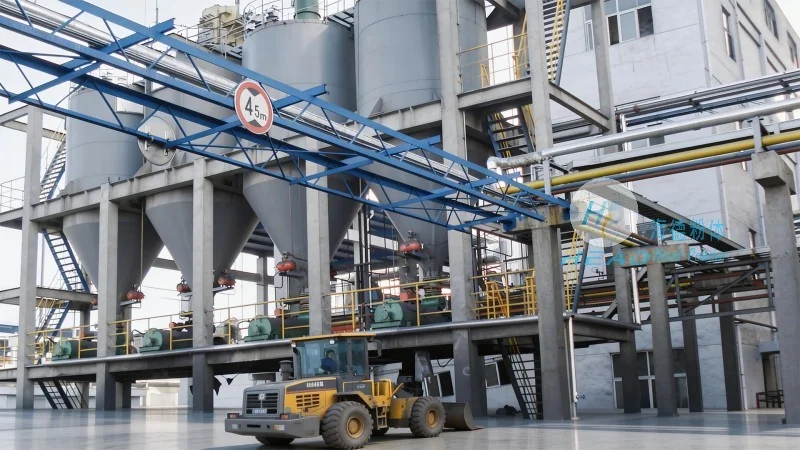
Before diving into the specific methods, it's important to understand the characteristics of algae residue pellets. These materials are typically lightweight, with a high moisture content and variable particle sizes. The conveying process must account for these properties to prevent blockages, degradation, or loss of material. Common conveying methods include screw conveyors, belt conveyors, pneumatic conveyors, and hydraulic systems. Each method has its own set of advantages and limitations, which are discussed in detail below.
Analysis of Different Conveying Methods for Algae Residue Pellets
Screw conveyors, also known as auger conveyors, are one of the most widely used methods for transporting solid materials, including algae residue pellets. These systems consist of a rotating helical screw inside a trough or tube, which moves material forward through the system. The screw's pitch and speed can be adjusted to control the flow rate and prevent material from sticking to the trough walls.
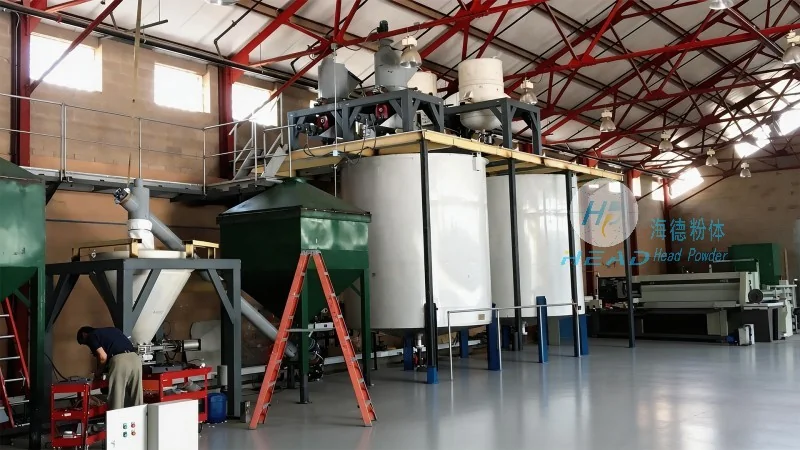
Advantages of screw conveyors include their simplicity, low maintenance requirements, and ability to handle a wide range of materials. They are particularly effective for horizontal or slightly inclined transport, making them suitable for short to medium distances. Screw conveyors also provide a relatively low-cost solution compared to other methods, as they require minimal space and can be easily integrated into existing facilities.
However, screw conveyors have several limitations when used with algae residue pellets. The high moisture content of the material can cause the pellets to stick to the screw and trough, leading to reduced efficiency and potential blockages. Additionally, the variable particle size of algae residue may cause uneven flow, resulting in inconsistent conveying rates. Another drawback is that screw conveyors are not suitable for vertical transport, as the material may fall off the screw due to gravity.
Advantages and Disadvantages of Each Conveying Method
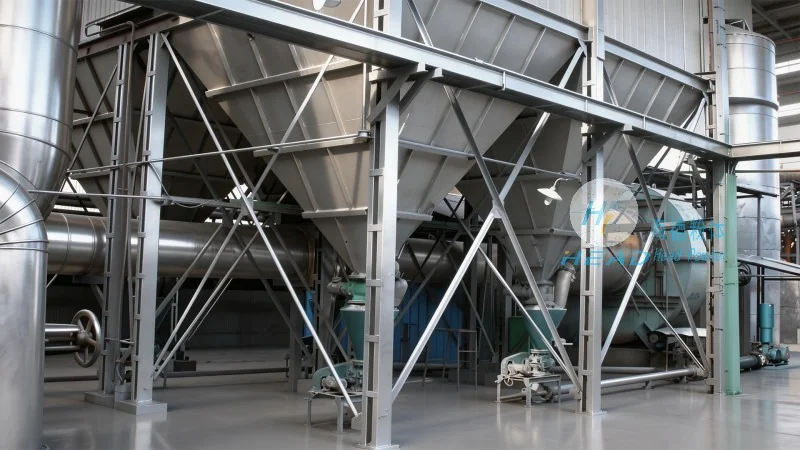
Belt conveyors are another common option for transporting algae residue pellets. These systems use a continuous belt, typically made of rubber or synthetic materials, to move material along a path. The belt is supported by rollers and can be adjusted to handle different loads and slopes. Belt conveyors are widely used in industries such as mining, agriculture, and waste management due to their high capacity and ability to transport materials over long distances.
One of the main advantages of belt conveyors is their high throughput capacity, which makes them ideal for large-scale operations. They can transport a significant volume of algae residue pellets at once, reducing the number of transfer points and improving overall efficiency. Belt conveyors also provide a relatively low maintenance cost, as the system is less prone to wear and tear compared to other methods. Additionally, the system can be easily modified to handle different particle sizes and moisture levels by adjusting the belt speed and tension.

 Shandong Headpowder Engineering Co., Ltd.
 156-6277-7102(Quản lý Trương)
  0531-83386006
  Thành phố Tế Nam, Tỉnh Sơn Đông, Trung Quốc
Điện thoại
WeChatTư vấn
Lên đầu