Với hơn 10 năm kinh nghiệm về vận chuyển khí nén, Headpowder Sơn Đông cung cấp hệ thống, thiết bị và quạt gió toàn chuỗi, đảm nhận các dự án kỹ thuật bột trọn gói trên toàn quốc.
When it comes to transporting pearl sand, selecting the right conveying method is crucial for efficiency, cost-effectiveness, and operational safety. Pearl sand, a fine abrasive material often used in industrial applications like glass manufacturing and surface treatment, requires specialized handling due to its granular nature and potential for dust generation. The choice of conveying method directly impacts production throughput, maintenance costs, and environmental compliance. In this article, we explore common pearl sand conveying methods and highlight the advantages of HeadPowder's pneumatic conveying system, a leading solution for industrial material transport.
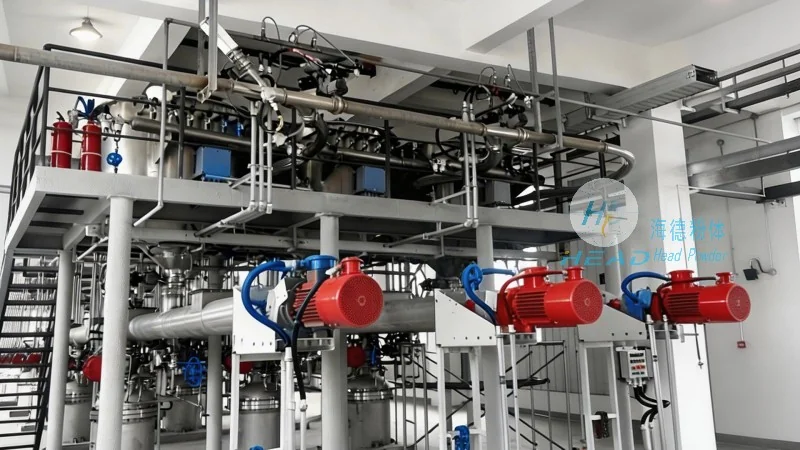
Overview of Common Pearl Sand Conveying Methods
Pearl sand, with its fine particle size and abrasive properties, presents unique challenges in material handling. Traditional conveying methods such as belt conveyors, screw conveyors, and bucket elevators may struggle with dust control and material degradation. These methods often require additional equipment for dust suppression and may suffer from increased wear and tear due to the abrasive nature of the sand. As a result, many industries are shifting toward more advanced and efficient conveying technologies. The primary common methods for pearl sand transport include:
Belt Conveyors: These are widely used for horizontal and slight incline transport. Belt conveyors are cost-effective and can handle large volumes of material. However, they are prone to dust generation and may require frequent cleaning and maintenance to prevent material buildup and wear on the belt.
Screw Conveyors: Screw conveyors use a rotating screw to move material along a tube. They are suitable for vertical and horizontal transport and can handle dry, free-flowing materials. For pearl sand, screw conveyors may experience increased wear on the screw and housing due to abrasion, leading to higher maintenance costs and potential material degradation.
Bucket Elevators: Bucket elevators lift material vertically using buckets attached to a chain or belt. They are effective for vertical transport but can be noisy and may generate significant dust during operation. The abrasive nature of pearl sand can cause premature wear on buckets and elevator components, reducing the system's lifespan.
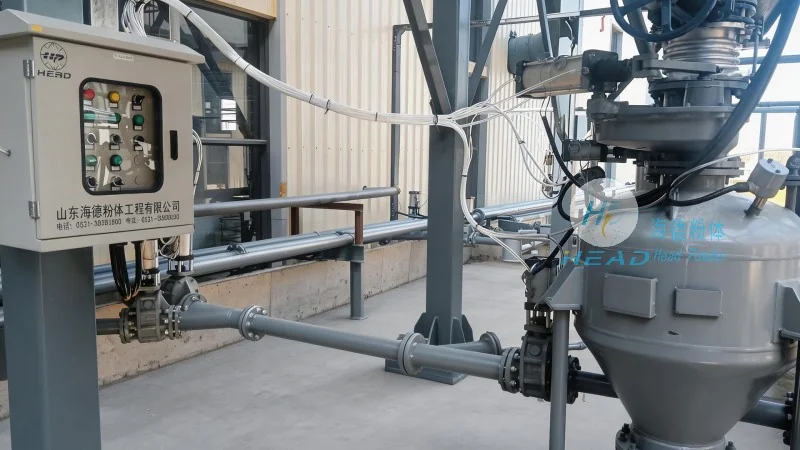
While these traditional methods have their applications, they often fall short in meeting the stringent requirements of modern industrial operations, particularly in terms of dust control, energy efficiency, and material integrity. Advanced pneumatic conveying systems have emerged as a superior alternative, offering solutions tailored to the unique challenges of handling fine, abrasive materials like pearl sand.
HeadPowder's Pneumatic Conveying System: Advantages and Features
HeadPowder, a leading manufacturer of industrial material handling equipment, specializes in developing customized pneumatic conveying solutions for diverse applications, including pearl sand transport. The company's pneumatic conveying system is designed to address the limitations of traditional methods, providing a reliable, efficient, and environmentally friendly approach to material transport. Key advantages of HeadPowder's system include:
Efficient Dust Control: Pneumatic conveying systems use enclosed pipelines to transport material, significantly reducing dust emissions compared to open systems like belt or screw conveyors. This not only improves workplace safety but also helps in maintaining compliance with environmental regulations.
Energy Efficiency: By utilizing compressed air as the primary transport medium, the system minimizes energy consumption while achieving high material throughput. The design optimizes air flow and pressure, ensuring efficient material movement with minimal energy waste.
Reduced Maintenance Costs: The absence of moving parts in the conveying line (excluding the air compressor and control system) reduces wear and tear, leading to lower maintenance requirements and extended equipment lifespan. This results in long-term cost savings for industrial operations.
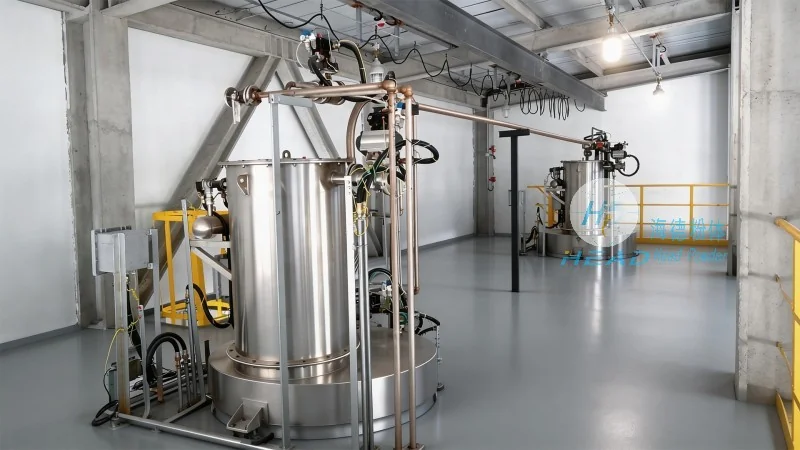
Customizable Solutions: HeadPowder offers tailored pneumatic conveying systems that can be adapted to specific plant layouts, material characteristics, and operational requirements. The company's engineering team works closely with clients to design systems that maximize efficiency and minimize downtime.
Material Integrity Preservation: The enclosed system prevents material from coming into contact with external contaminants or being exposed to air, preserving the quality and properties of the pearl sand. This is particularly important for applications where the material's purity and consistency are critical.
HeadPowder's pneumatic conveying system is engineered to handle the abrasive nature of pearl sand without compromising the material's integrity. The system uses high-quality components, such as wear-resistant pipes and valves, to withstand the abrasive effects of the sand, ensuring long-term performance and reliability.
Application Examples and Case Studies
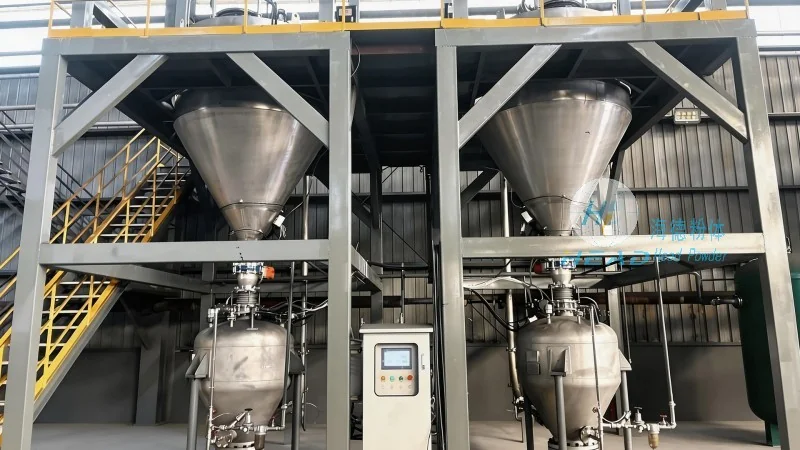
HeadPowder's pneumatic conveying system has been successfully implemented in various industrial applications, including glass manufacturing, surface treatment, and chemical processing. For instance, in a glass factory, the system was used to transport pearl sand from storage silos to the production line, achieving a 30% reduction in dust emissions and a 20% increase in production throughput compared to traditional belt conveyors. Another case involved a surface treatment plant where the system replaced a bucket elevator, resulting in lower maintenance costs and improved material quality.
These success stories highlight the effectiveness of HeadPowder's pneumatic conveying system in addressing the unique challenges of pearl sand transport. The system's ability to handle abrasive materials, control dust, and enhance operational efficiency makes it a preferred choice for industries seeking reliable and sustainable material handling solutions.
Conclusion and Contact Information
Choosing the right conveying method for pearl sand is essential for optimizing industrial operations. Traditional methods like belt, screw, and bucket elevators may offer simplicity but often fail to meet the demands of modern manufacturing, particularly in terms of dust control and material integrity. HeadPowder's pneumatic conveying system provides a superior alternative, delivering efficiency, reliability, and environmental responsibility. With its focus on customized solutions and commitment to quality, HeadPowder is a trusted partner for industries seeking advanced material handling solutions.
For more information about HeadPowder's pneumatic conveying system and how it can enhance your pearl sand transport operations, please contact Shandong HeadPowder Engineering Co., Ltd., located in China. The company's experienced team is ready to assist with system design, installation, and maintenance to ensure optimal performance and long-term success.

 Shandong Headpowder Engineering Co., Ltd.
 156-6277-7102(Quản lý Trương)
  0531-83386006
  Thành phố Tế Nam, Tỉnh Sơn Đông, Trung Quốc
Điện thoại
WeChatTư vấn
Lên đầu