Với hơn 10 năm kinh nghiệm về vận chuyển khí nén, Headpowder Sơn Đông cung cấp hệ thống, thiết bị và quạt gió toàn chuỗi, đảm nhận các dự án kỹ thuật bột trọn gói trên toàn quốc.
Plastic conveying is a critical process in various industrial applications, ensuring the efficient movement of plastic materials from one stage of production to another. The choice of conveying method significantly impacts productivity, material integrity, and overall operational efficiency. In this article, we explore the different plastic conveying methods used across industries, focusing on the expertise and solutions provided by Shandong HeadPowder Engineering Co., Ltd., a leading company based in Shandong, China.
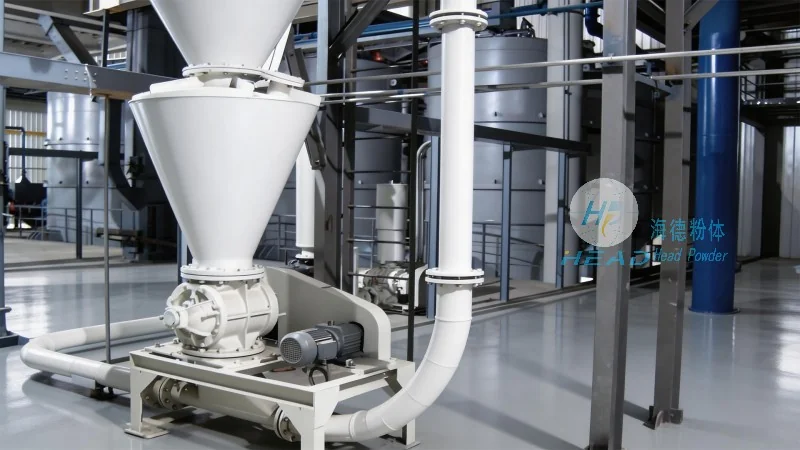
Introduction to Plastic Conveying Methods
Plastic conveying methods are designed to handle different types of plastic materials, including powders, granules, pellets, and flakes. The primary goal is to transport these materials safely and efficiently, minimizing degradation and ensuring consistent flow. Various systems are employed, each with its own advantages and applications. Understanding these methods helps industries select the most suitable solution for their specific needs.
Common Plastic Conveying Systems
There are several common plastic conveying systems, each tailored to different material characteristics and operational requirements. The most widely used methods include screw conveyors, belt conveyors, and pneumatic (air) conveying systems. Each system operates on a different principle, making them suitable for specific scenarios.
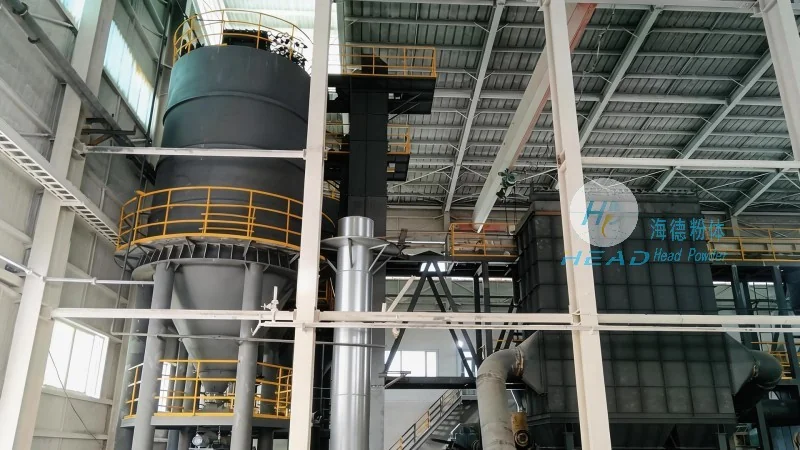
Screw Conveyors for Plastic Materials
Screw conveyors, also known as auger conveyors, are among the most common plastic conveying systems. They consist of a rotating screw (auger) inside a tube or trough, which moves plastic materials forward through the mechanism. This method is particularly effective for handling plastic powders and granules, as it provides a continuous and controlled flow. The screw design can be customized to accommodate different material densities and flow characteristics. For instance, a solid-flight screw is suitable for dense materials, while a ribbon or paddle screw is ideal for lighter, more free-flowing plastics. Shandong HeadPowder Engineering Co., Ltd. specializes in designing and manufacturing screw conveyors that meet the precise needs of plastic processing industries, ensuring reliable and efficient material transport.
Belt Conveyors for Plastic Pellets and Flakes
Belt conveyors are another popular choice for transporting plastic pellets, flakes, and other bulk materials. These systems use a continuous belt that moves over rollers or a flat surface, carrying the plastic material from one point to another. Belt conveyors are highly effective for long-distance transport and can handle a wide range of plastic types, including polyethylene, polypropylene, and PVC. They are particularly useful in applications where the material needs to be transported over elevated or inclined paths. The design of the belt conveyor, including the type of belt (e.g., rubber, PVC-coated) and the support structure, is crucial for maintaining material integrity and preventing contamination. Shandong HeadPowder Engineering Co., Ltd. offers a range of belt conveyor solutions tailored to the specific requirements of plastic manufacturers, ensuring durability and optimal performance.
Pneumatic Conveying Systems for Plastic Powders
Pneumatic conveying systems use air or other gases to transport plastic powders and fine particles. These systems are ideal for materials that are difficult to handle with mechanical conveyors, such as fine powders that can cause clogging or degrade under mechanical stress. Pneumatic conveyors can be classified into two main types: dilute-phase and dense-phase systems. Dilute-phase systems use high-velocity air to move materials in a suspended state, while dense-phase systems use lower air velocities to move materials in a dense, plug-like flow. This method is particularly effective for transporting plastic powders over long distances without the need for multiple transfer points. Shandong HeadPowder Engineering Co., Ltd. provides advanced pneumatic conveying solutions that ensure efficient and clean transport of plastic powders, minimizing material loss and maintaining product quality.
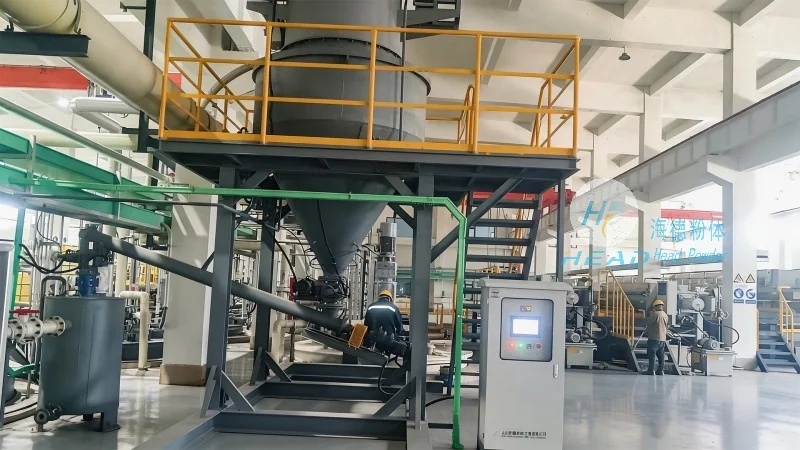
Factors to Consider When Choosing a Conveying Method
The selection of an appropriate plastic conveying method depends on several factors, including the type of plastic material, its physical properties (such as density, moisture content, and flowability), the distance to be covered, and the required throughput. Other considerations include the need for enclosed systems to prevent dust contamination, the space availability, and the budget constraints. For example, if the plastic material is highly abrasive or corrosive, a stainless steel conveyor system may be necessary to prevent wear and degradation. Additionally, the environmental regulations and safety requirements must be taken into account. Shandong HeadPowder Engineering Co., Ltd. assists clients in evaluating these factors and recommending the most suitable conveying system, ensuring optimal performance and compliance with industry standards.
Applications of Different Conveying Methods
Different plastic conveying methods are applied in various industrial sectors, including plastics manufacturing, recycling, and packaging. Screw conveyors are commonly used in the plastic extrusion and compounding processes, where they transport raw plastic materials to the processing equipment. Belt conveyors are widely used in the plastic pelletizing and packaging stages, where they move finished products to storage or shipping areas. Pneumatic conveying systems are prevalent in the plastic powder handling and recycling industries, where they transport fine powders to mixing and processing units. Each application requires a specific conveying system designed to meet the unique challenges and requirements of the process.
Conclusion
In conclusion, the choice of plastic conveying method is a critical decision that impacts the efficiency and success of plastic processing operations. By understanding the different systems available and considering the specific requirements of the material and application, industries can select the most appropriate conveying solution. Shandong HeadPowder Engineering Co., Ltd., with its expertise and comprehensive range of plastic conveying systems, plays a vital role in helping clients achieve efficient and reliable material transport. Whether it's a screw conveyor, belt conveyor, or pneumatic system, the company's solutions are designed to meet the highest standards of performance and durability, ensuring long-term operational success in the plastic industry.

 Shandong Headpowder Engineering Co., Ltd.
 156-6277-7102(Quản lý Trương)
  0531-83386006
  Thành phố Tế Nam, Tỉnh Sơn Đông, Trung Quốc
Điện thoại
WeChatTư vấn
Lên đầu