Với hơn 10 năm kinh nghiệm về vận chuyển khí nén, Headpowder Sơn Đông cung cấp hệ thống, thiết bị và quạt gió toàn chuỗi, đảm nhận các dự án kỹ thuật bột trọn gói trên toàn quốc.
When it comes to managing industrial alkali handling processes, selecting the appropriate pneumatic conveying system is crucial for efficiency, safety, and cost-effectiveness. The right system ensures smooth material transfer while minimizing downtime and operational risks. As a leading provider in the field, Shandong HeadPowder Engineering Co., Ltd. specializes in designing and implementing customized solutions tailored to the unique requirements of industrial applications.
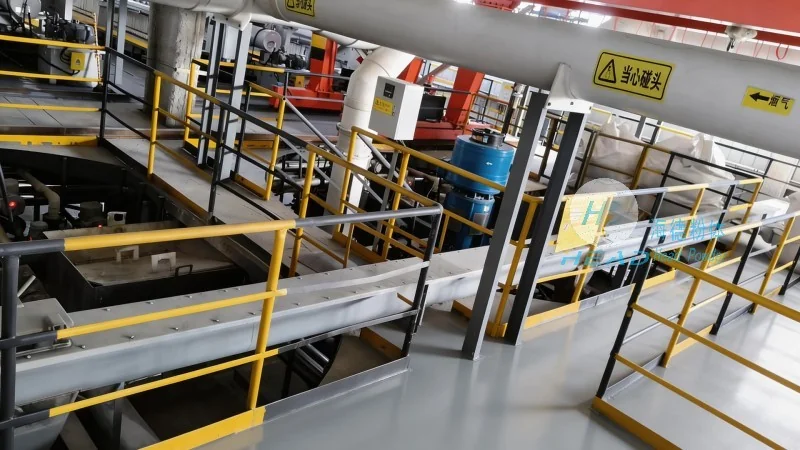
Key Factors to Consider in System Selection
Several critical factors must be evaluated when choosing a pneumatic conveying system for industrial alkali handling. First, the type of alkali being handled—whether it’s caustic soda, soda ash, or other chemical compounds—dictates the system’s design. Different alkalis have varying properties such as moisture content, particle size, and reactivity, which impact the selection of materials, pressure levels, and equipment. For instance, caustic soda, which is highly corrosive, requires systems constructed from corrosion-resistant materials like stainless steel or specialized alloys to prevent degradation and ensure longevity.
Second, the distance and layout of the conveying route play a significant role. Systems can be categorized into pressure and vacuum types, each suited for different distances and operational conditions. Pressure systems, which use positive pressure to push material through pipelines, are ideal for longer distances and multiple transfer points. Vacuum systems, on the other hand, use negative pressure to draw material, making them suitable for shorter distances or when the material needs to be collected from various sources. The choice between these systems depends on factors like the number of transfer points, elevation changes, and the overall layout of the facility.
System Components and Their Importance
A pneumatic conveying system consists of several key components, each critical to its performance. The feed hopper is responsible for storing and feeding the alkali material into the system. It must be designed to handle the specific bulk density and flow characteristics of the alkali, ensuring consistent material supply. The feeder, typically a rotary valve or a screw feeder, regulates the flow rate and prevents material from backflowing into the hopper. This component is essential for maintaining system stability and preventing blockages.
The pipeline network connects the various components and transports the material from the source to the destination. The choice of pipeline material—such as stainless steel, carbon steel, or plastic—depends on the alkali’s chemical properties and the operating pressure. For corrosive alkalis like caustic soda, stainless steel is often preferred due to its resistance to chemical attack. The pipeline diameter and length are also critical, as they affect the system’s pressure drop and overall efficiency. Proper sizing ensures that the system operates within optimal pressure ranges, minimizing energy consumption and wear on components.
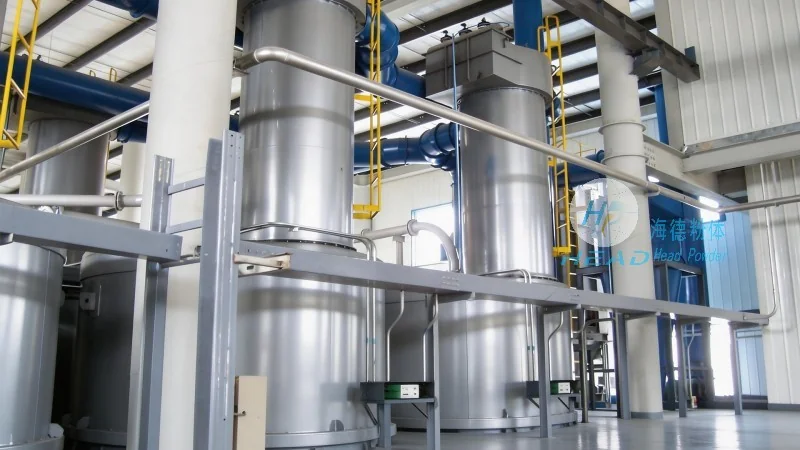
The air compressor or vacuum pump provides the necessary pressure or vacuum to move the material through the pipeline. The type of compressor—such as rotary lobe, centrifugal, or reciprocating—depends on the system’s requirements, including pressure levels, flow rates, and noise considerations. For industrial alkali handling, energy-efficient and low-noise compressors are often preferred to reduce operational costs and environmental impact. The air treatment system, including filters and dryers, ensures that the compressed air is clean and dry, preventing contamination of the alkali and damage to system components.
Customization and Integration with Existing Facilities
Industrial alkali handling processes often involve integrating new pneumatic conveying systems with existing infrastructure. This requires careful planning to ensure compatibility and minimal disruption to current operations. Shandong HeadPowder Engineering Co., Ltd. offers comprehensive customization services, working closely with clients to understand their specific needs and design systems that fit seamlessly into their existing setups. This includes considering factors such as space constraints, existing equipment, and operational schedules.
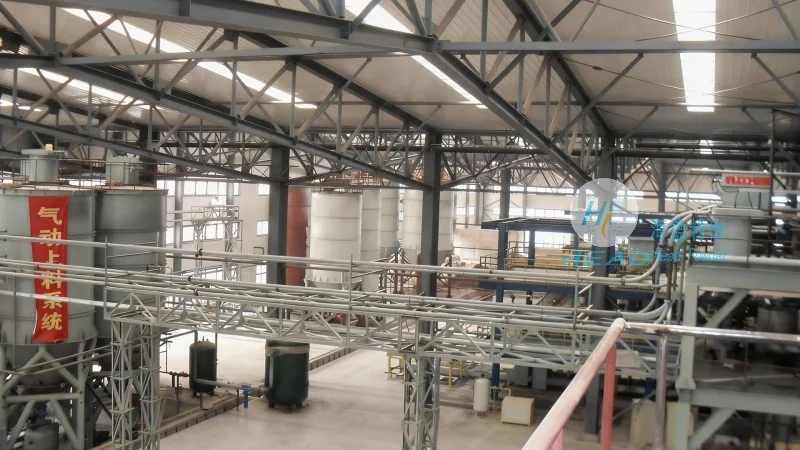
The company’s expertise in system integration ensures that the new pneumatic conveying system complements the existing infrastructure without causing conflicts or inefficiencies. For example, if a facility already has a storage silo or a processing unit, the new system can be designed to connect directly to these components, maximizing the use of existing assets. This approach not only reduces costs but also minimizes the time required for installation and commissioning.
Benefits of Choosing a Custom Pneumatic Conveying System
Implementing a custom pneumatic conveying system for industrial alkali handling offers numerous benefits. Firstly, it enhances operational efficiency by ensuring smooth and continuous material transfer, reducing downtime and increasing productivity. The right system minimizes the risk of material spillage or blockages, which can lead to costly repairs and safety hazards. Secondly, it improves safety by eliminating manual handling of hazardous alkali materials, reducing the risk of exposure to chemicals and preventing accidents.
Thirdly, a well-designed system can reduce energy consumption and operational costs over time. By optimizing pressure and flow rates, the system operates more efficiently, leading to lower energy bills and longer equipment life. Additionally, the use of corrosion-resistant materials and proper maintenance reduces the need for frequent repairs and replacements, further lowering long-term costs.
Conclusion
Choosing the right pneumatic conveying system for industrial alkali handling is a critical decision that impacts the overall performance and safety of the process. By considering factors such as the type of alkali, conveying distance, and system components, and working with a reputable provider like Shandong HeadPowder Engineering Co., Ltd., businesses can ensure they select a system that meets their specific needs and delivers long-term benefits. The company’s expertise in customization and integration ensures that clients receive a tailored solution that enhances efficiency, safety, and cost-effectiveness in their industrial alkali handling operations.

 Shandong Headpowder Engineering Co., Ltd.
 156-6277-7102(Quản lý Trương)
  0531-83386006
  Thành phố Tế Nam, Tỉnh Sơn Đông, Trung Quốc
Điện thoại
WeChatTư vấn
Lên đầu