Với hơn 10 năm kinh nghiệm về vận chuyển khí nén, Headpowder Sơn Đông cung cấp hệ thống, thiết bị và quạt gió toàn chuỗi, đảm nhận các dự án kỹ thuật bột trọn gói trên toàn quốc.
When it comes to managing wheat bran handling in industrial settings, selecting the appropriate pneumatic conveying system is crucial for efficiency, cost-effectiveness, and operational reliability. Wheat bran, a byproduct of wheat milling, requires specialized handling solutions to ensure smooth material flow from processing to storage or further processing stages. The choice of a pneumatic conveying system directly impacts the overall performance of the wheat bran handling process, making it essential to understand the key factors that influence this selection.
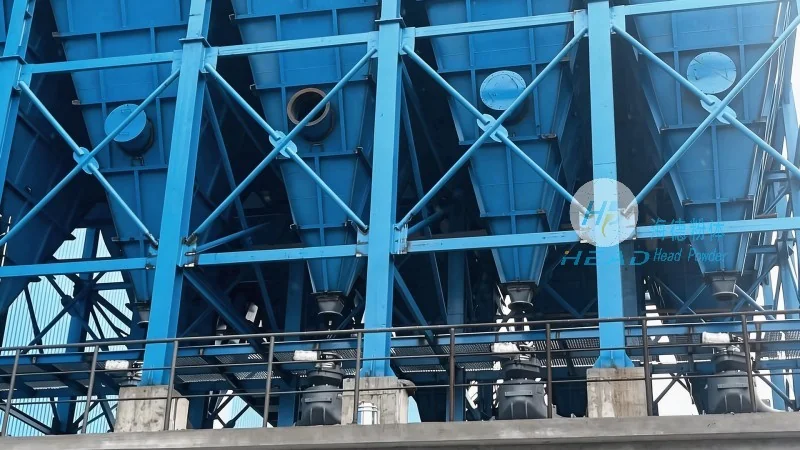
Understanding the Importance of Pneumatic Conveying for Wheat Bran
Wheat bran is a fine, lightweight material that poses unique challenges during transportation. Traditional methods like belt conveyors or bucket elevators may struggle with material bridging, segregation, or dust generation, leading to inefficiencies and increased maintenance costs. Pneumatic conveying systems, on the other hand, offer a solution that minimizes these issues by using air to transport the material through a closed pipeline system. This method not only ensures consistent flow but also helps in maintaining the quality of the wheat bran by reducing exposure to external contaminants and moisture.
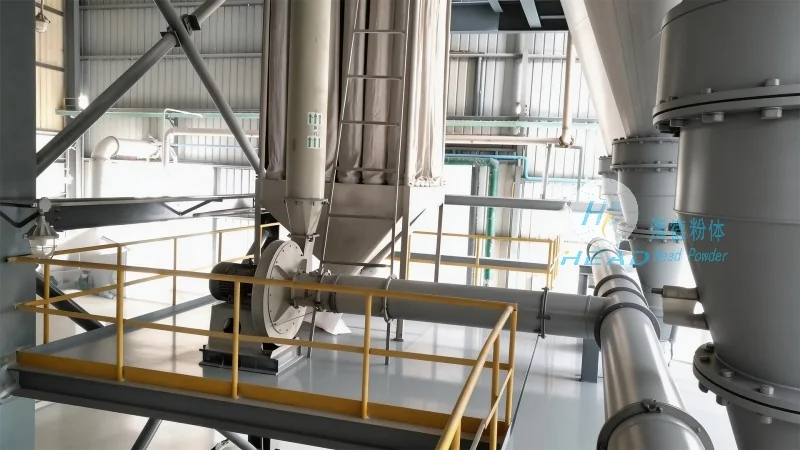
Key Considerations for Selecting a Pneumatic Conveying System
Choosing the right pneumatic conveying system for wheat bran handling involves evaluating several critical factors. The first consideration is the material's properties, such as its bulk density, particle size, and moisture content. Wheat bran typically has a low bulk density and can be prone to static electricity, which may affect the system's performance. Additionally, the system must be designed to handle the material's flow characteristics, including its tendency to settle or form agglomerates. Another important factor is the distance and height the material needs to be conveyed, as different system types (like pressure or vacuum systems) are better suited for specific applications.
Types of Pneumatic Conveying Systems for Wheat Bran
There are primarily two types of pneumatic conveying systems used in wheat bran handling: pressure systems and vacuum systems. Pressure systems use compressed air to push the material through the pipeline, making them ideal for short to medium distances and when the material needs to be conveyed to a higher elevation. These systems are often more robust and can handle larger quantities of material. On the other hand, vacuum systems use suction to draw the material into the pipeline, which is suitable for longer distances or when the material needs to be collected from multiple points. Both systems have their advantages and are chosen based on the specific requirements of the wheat bran handling process.
HeadPowder's Expertise in Wheat Bran Pneumatic Conveying Solutions
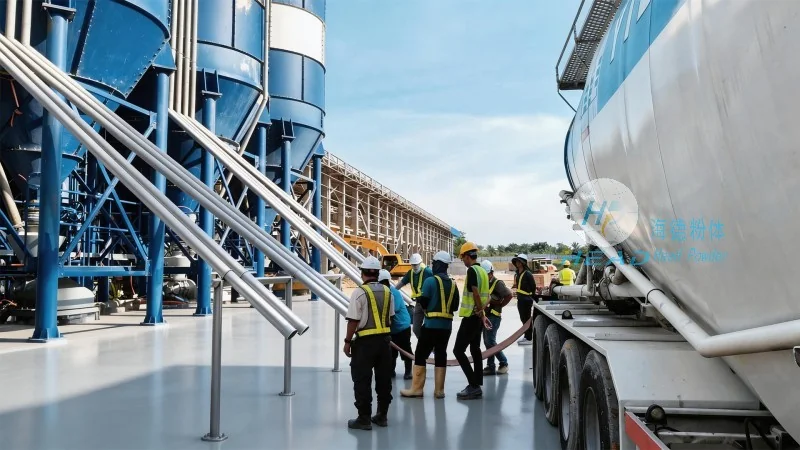
Shandong HeadPowder Engineering Co., Ltd., a leading provider of industrial conveying solutions, specializes in designing and manufacturing pneumatic conveying systems tailored to the unique needs of wheat bran handling. With years of experience in the industry, HeadPowder understands the challenges associated with transporting fine, lightweight materials like wheat bran and offers customized solutions that address these issues effectively. The company's team of engineers works closely with clients to assess their specific requirements, including the volume of wheat bran to be handled, the distance and elevation changes, and the desired system efficiency. By leveraging advanced technology and materials, HeadPowder ensures that its pneumatic conveying systems are durable, efficient, and reliable, providing long-term value to its clients.
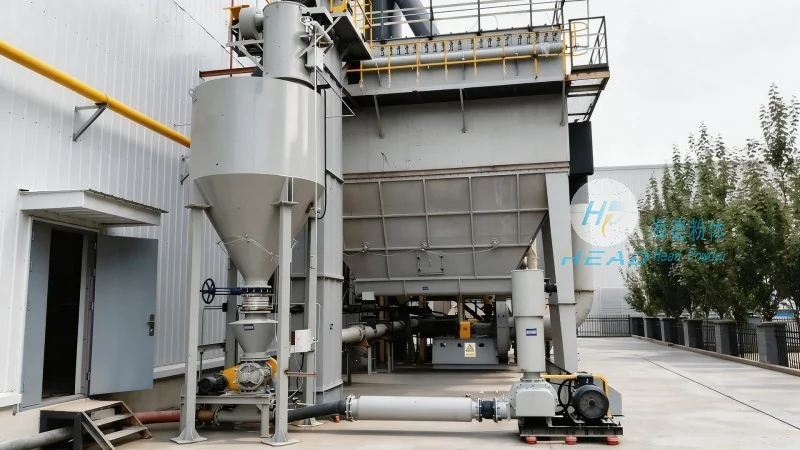
Customization and Integration for Optimal Performance
HeadPowder recognizes that each wheat bran handling facility has unique operational requirements, and therefore, offers customized pneumatic conveying systems that can be integrated seamlessly into existing processes. The company's solutions are designed to fit within the client's budget while meeting performance standards. For example, some clients may require a system that can handle varying flow rates, while others may need a system that can operate in a dust-controlled environment. HeadPowder's engineers work with clients to develop solutions that not only meet current needs but also allow for future expansion and upgrades. This approach ensures that the investment in a pneumatic conveying system is a long-term solution that grows with the business.
Benefits of Choosing HeadPowder for Wheat Bran Pneumatic Conveying
Partnering with HeadPowder for wheat bran pneumatic conveying systems offers several benefits. First, the company's expertise in the field ensures that the system is designed to handle the specific challenges of wheat bran, leading to improved operational efficiency. Second, HeadPowder's systems are built with high-quality materials and components, ensuring durability and minimal maintenance. Third, the company provides comprehensive support, including installation, training, and after-sales service, to ensure that clients can maximize the benefits of their investment. By choosing HeadPowder, clients can rely on a partner that understands their needs and delivers solutions that enhance their wheat bran handling processes.

 Shandong Headpowder Engineering Co., Ltd.
 156-6277-7102(Quản lý Trương)
  0531-83386006
  Thành phố Tế Nam, Tỉnh Sơn Đông, Trung Quốc
Điện thoại
WeChatTư vấn
Lên đầu