Với hơn 10 năm kinh nghiệm về vận chuyển khí nén, Headpowder Sơn Đông cung cấp hệ thống, thiết bị và quạt gió toàn chuỗi, đảm nhận các dự án kỹ thuật bột trọn gói trên toàn quốc.
HeadPowder, a leading manufacturer based in Shandong, China, specializes in providing high-quality silica fume powder and related conveying solutions. This article aims to provide a comprehensive comparison of common silica fume powder conveying methods, highlighting their respective advantages and disadvantages to help industrial clients make informed decisions.
Overview of Silica Fume Powder and Conveying Challenges
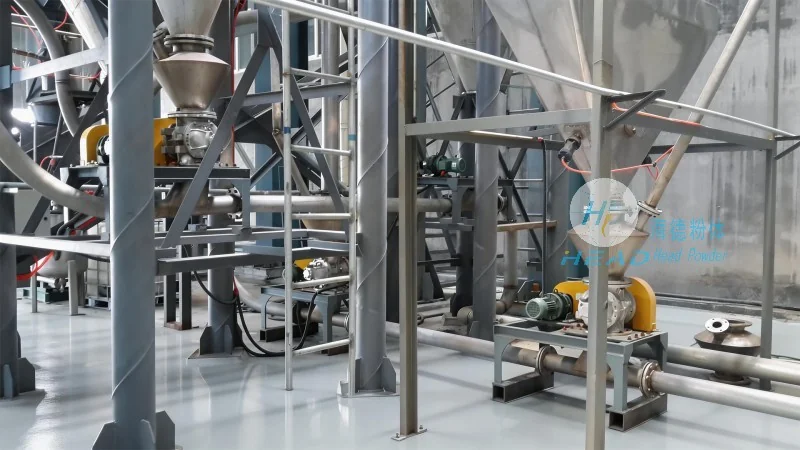
Silica fume, also known as microsilica, is a byproduct of silicon metal or ferrosilicon production. It is a fine powder with a high surface area, making it an essential additive in various industries, including concrete, rubber, and plastics. The challenge in handling silica fume powder lies in its fine particle size, which can lead to issues like dust generation, clogging, and uneven flow during transportation. Effective conveying methods are crucial to ensure efficient and safe material transfer while minimizing operational risks.
1. Pneumatic Conveying Systems: Advantages and Disadvantages
Pneumatic conveying systems utilize air or other gases to transport silica fume powder through a pipeline. This method is widely used due to its ability to handle fine powders and provide a closed system that reduces dust exposure. One of the primary advantages of pneumatic conveying is its flexibility in handling varying particle sizes and moisture content. It also allows for long-distance transportation without the need for intermediate storage or transfer points. However, pneumatic systems have significant drawbacks, including high energy consumption, as they require powerful blowers to maintain airflow. Additionally, they are susceptible to clogging if the powder is too fine or contains high moisture levels, which can lead to system downtime and maintenance costs. Another disadvantage is the potential for particle degradation due to high-velocity air, which may affect the quality of the silica fume powder.
2. Screw Conveyors: Advantages and Disadvantages
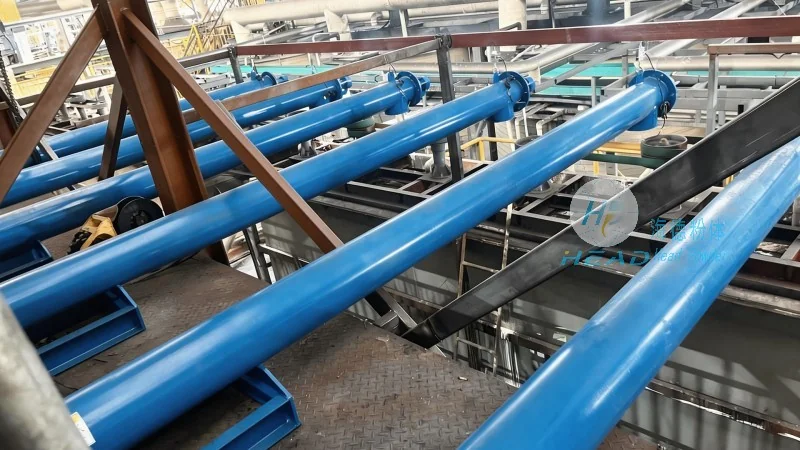
Screw conveyors, also known as auger conveyors, use a rotating screw to move silica fume powder through a trough or tube. This method is suitable for moderate to high bulk densities and is commonly used in industries where the powder is relatively dry and free-flowing. The main advantage of screw conveyors is their simplicity and low cost compared to pneumatic systems. They are easy to install and maintain, with minimal moving parts, reducing the risk of mechanical failure. Screw conveyors also provide a continuous and reliable flow, making them ideal for applications requiring steady material transfer. However, they have limitations when dealing with very fine or cohesive powders, as the screw can cause clogging and uneven discharge. The system is also less effective for long-distance transportation, as the power required increases significantly with distance. Furthermore, screw conveyors are prone to wear and tear from abrasive silica fume particles, leading to higher maintenance expenses over time.
3. Belt Conveyors: Advantages and Disadvantages
Belt conveyors use a continuous belt to transport silica fume powder over a series of rollers or idlers. This method is commonly used in bulk material handling and is suitable for both fine and coarse powders. The primary advantage of belt conveyors is their high capacity and ability to handle large volumes of material efficiently. They are ideal for long-distance transportation and can be integrated with other processing equipment, such as hoppers and storage silos. Belt conveyors also provide a low-cost solution for horizontal and slight incline applications, with minimal energy consumption compared to pneumatic systems. However, belt conveyors have significant drawbacks when dealing with fine powders, as the material can cause dust accumulation on the belt, leading to slippage and reduced efficiency. The system is also susceptible to clogging at the loading and discharge points, which can result in material loss and operational disruptions. Additionally, belt conveyors require regular cleaning and maintenance to prevent material buildup, increasing long-term operational costs.
4. Hydraulic Conveying: Advantages and Disadvantages
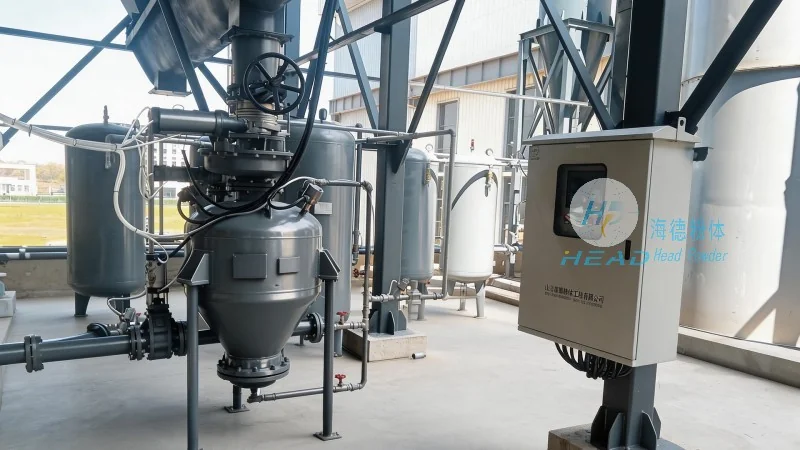
Hydraulic conveying systems use water or other liquids to transport silica fume powder through a pipeline. This method is particularly effective for handling very fine or abrasive powders, as the liquid helps to lubricate the particles and prevent clogging. The main advantage of hydraulic conveying is its ability to handle extremely fine particles that are difficult to transport via other methods. It also provides a high degree of control over the flow rate and pressure, ensuring consistent material transfer. However, hydraulic systems have significant disadvantages, including high water usage and the need for wastewater treatment facilities. The system is also prone to corrosion and scaling due to the presence of water, which can lead to maintenance issues and system failure. Additionally, hydraulic conveying is less energy-efficient compared to pneumatic systems, as it requires pumps and additional equipment to maintain pressure.
5. Combination Systems: Advantages and Disadvantages
Many industrial applications require a combination of conveying methods to address specific challenges. For example, a pneumatic system may be used for the initial transport from the storage silo to a processing unit, followed by a screw conveyor for further handling. Combination systems offer the flexibility to leverage the strengths of different methods while mitigating their weaknesses. The primary advantage of such systems is their adaptability to varying material properties and operational requirements. They can handle a wide range of particle sizes and moisture levels, ensuring efficient and reliable material transfer. However, combination systems are more complex and expensive to install and maintain compared to single-method solutions. They also require careful integration to ensure smooth operation, as any mismatch in flow rates or pressure can lead to system inefficiencies or damage.
Conclusion: Choosing the Right Conveying Method for Silica Fume Powder
When selecting a conveying method for silica fume powder, industrial clients must consider several factors, including the powder's particle size, moisture content, bulk density, and the distance to be transported. Pneumatic systems are ideal for fine powders and long-distance transport but require high energy input. Screw conveyors are suitable for moderate bulk densities and dry powders but are prone to clogging. Belt conveyors offer high capacity and low energy consumption but struggle with fine powders. Hydraulic systems are effective for very fine or abrasive powders but involve high water usage and maintenance. Combination systems provide flexibility but are more complex and costly. Shandong HeadPowder Engineering Co., Ltd. offers a range of conveying solutions tailored to specific industrial needs, ensuring efficient and safe material handling while minimizing operational risks. By understanding the advantages and disadvantages of each method, clients can make informed decisions to optimize their silica fume powder transportation processes.

 Shandong Headpowder Engineering Co., Ltd.
 156-6277-7102(Quản lý Trương)
  0531-83386006
  Thành phố Tế Nam, Tỉnh Sơn Đông, Trung Quốc
Điện thoại
WeChatTư vấn
Lên đầu