Với hơn 10 năm kinh nghiệm về vận chuyển khí nén, Headpowder Sơn Đông cung cấp hệ thống, thiết bị và quạt gió toàn chuỗi, đảm nhận các dự án kỹ thuật bột trọn gói trên toàn quốc.
When it comes to handling metal iron powder, selecting the right conveying method is crucial for efficiency, cost-effectiveness, and product integrity. Shandong HeadPowder Engineering Co., Ltd., a leading manufacturer based in China, understands the importance of optimizing material transport processes. This article provides a detailed comparison of common metal iron powder conveying methods, highlighting their advantages and disadvantages to help industrial users make informed decisions.
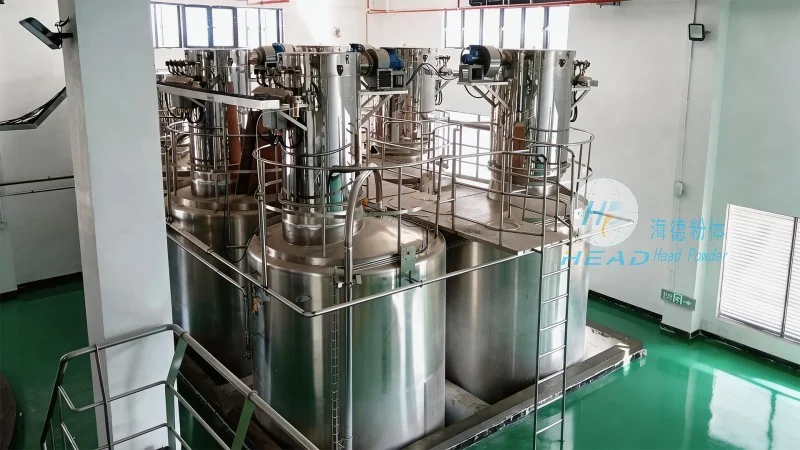
1. Pneumatic Conveying Systems
Pneumatic conveying systems utilize air or other gases to transport iron powder through a network of pipes. This method is widely used due to its ability to handle fine powders without the need for mechanical components. The primary advantage of pneumatic conveying is its flexibility, as it can transport materials over long distances and through complex layouts. However, it requires a significant amount of energy to generate the necessary air pressure, which can increase operational costs. Additionally, the system may be susceptible to clogging if the powder is too fine or has high moisture content, leading to maintenance challenges.
2. Mechanical Conveying Systems
Mechanical conveying systems rely on mechanical components such as screws, belts, or buckets to move iron powder. These systems are often preferred for bulk material handling and are generally more cost-effective than pneumatic systems. The main advantage of mechanical conveyors is their lower energy consumption compared to pneumatic methods, as they do not require compressed air. However, they may not be suitable for very fine or abrasive powders, as the mechanical parts can wear out quickly. Furthermore, mechanical systems are limited in terms of distance and layout complexity, making them less flexible than pneumatic alternatives.
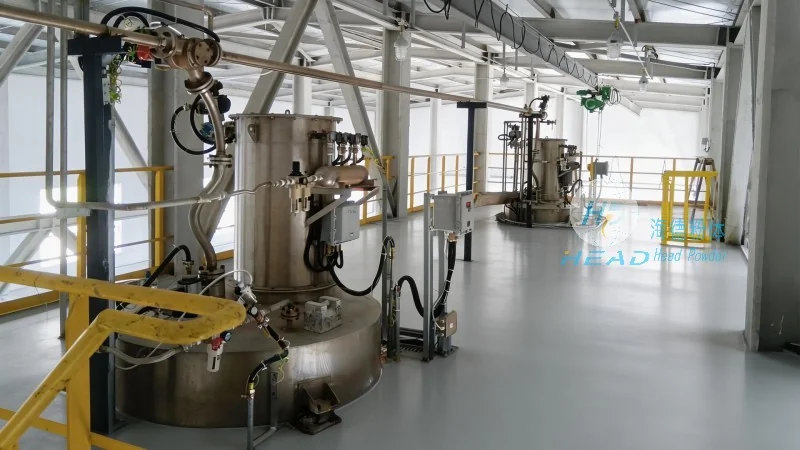
3. Hydraulic Conveying Systems
Hydraulic conveying systems use fluid pressure to transport iron powder. This method is particularly effective for handling heavy or abrasive powders, as the fluid can provide consistent pressure and reduce wear on the system components. The primary advantage of hydraulic systems is their ability to handle high volumes of material with minimal maintenance. However, they require specialized equipment and a reliable hydraulic fluid supply, which can increase initial investment costs. Additionally, hydraulic systems may be less efficient for fine powders, as the fluid can cause segregation or agglomeration of the particles.
4. Gravity Conveying Systems
Gravity conveying systems rely on the natural force of gravity to move iron powder from higher to lower elevations. This method is simple and cost-effective, as it does not require any mechanical or pneumatic components. The main advantage of gravity systems is their low operational cost and minimal maintenance requirements. However, they are limited by the need for a suitable slope and are not suitable for transporting materials over long distances or through complex layouts. Additionally, gravity systems may not be effective for fine powders, as the material may not flow consistently without the aid of additional equipment.
5. Vacuum Conveying Systems
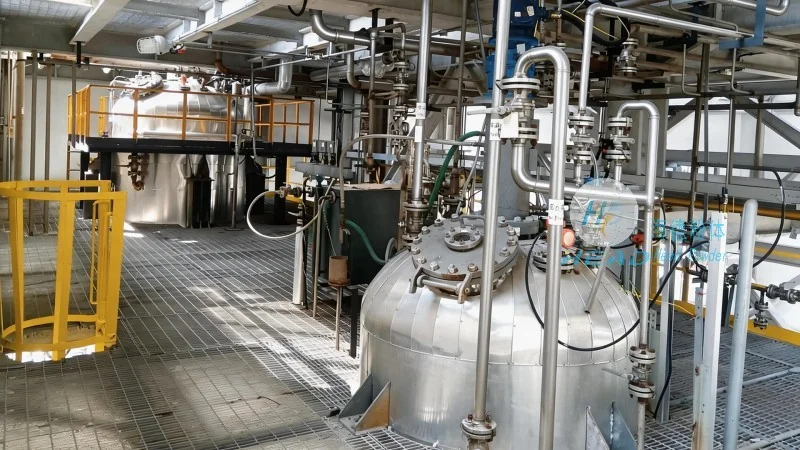
Vacuum conveying systems use a vacuum to draw iron powder into a collection container. This method is ideal for handling fine powders and is often used in applications where dust control is critical. The primary advantage of vacuum systems is their ability to minimize dust emissions and maintain a clean working environment. However, they require a powerful vacuum pump, which can increase energy consumption and operational costs. Additionally, vacuum systems may be less efficient for large volumes of material, as the pump capacity may be limited.
6. Comparison and Recommendations
When selecting a conveying method for metal iron powder, it is essential to consider factors such as material properties, distance, layout complexity, and budget. Pneumatic systems offer flexibility and are suitable for fine powders but require higher energy input. Mechanical systems are cost-effective and efficient for bulk handling but may not handle abrasive materials well. Hydraulic systems are ideal for heavy or abrasive powders but require specialized equipment. Gravity systems are simple and low-cost but limited by distance and layout. Vacuum systems are effective for fine powders and dust control but may have higher energy costs. Shandong HeadPowder Engineering Co., Ltd. recommends evaluating these factors carefully to choose the most suitable conveying method for specific applications.

 Shandong Headpowder Engineering Co., Ltd.
 156-6277-7102(Quản lý Trương)
  0531-83386006
  Thành phố Tế Nam, Tỉnh Sơn Đông, Trung Quốc
Điện thoại
WeChatTư vấn
Lên đầu