Với hơn 10 năm kinh nghiệm về vận chuyển khí nén, Headpowder Sơn Đông cung cấp hệ thống, thiết bị và quạt gió toàn chuỗi, đảm nhận các dự án kỹ thuật bột trọn gói trên toàn quốc.
White clay powder, a critical material in various industrial applications, requires efficient and reliable conveying methods to ensure smooth production processes. Shandong HeadPowder Engineering Co., Ltd., a leading manufacturer based in China, specializes in providing high-quality white clay powder and related conveying solutions. This article aims to provide a detailed comparison of common white clay powder conveying methods, highlighting their advantages and disadvantages to help industries select the most suitable option for their operations.
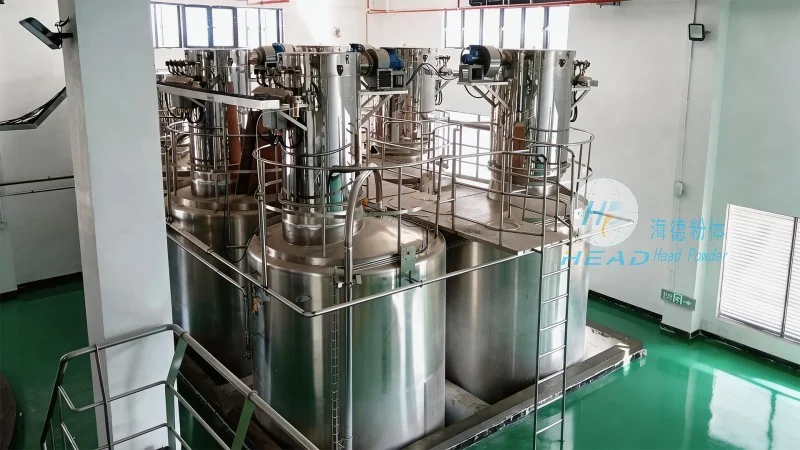
Overview of White Clay Powder and Conveying Challenges
White clay powder, also known as bleaching earth, is widely used in the petroleum refining, food processing, and chemical industries for its adsorption properties. Conveying this fine powder efficiently is challenging due to its dustiness, low bulk density, and tendency to agglomerate. Traditional methods like manual handling or simple bucket elevators are often inadequate, leading to material loss, equipment wear, and safety hazards. Therefore, understanding the different conveying methods and their pros and cons is essential for optimizing industrial processes.
1. Pneumatic Conveying: Advantages and Disadvantages
Pneumatic conveying, or air-based transport, is a popular method for white clay powder due to its ability to handle fine powders over long distances. This method uses compressed air to move the powder through a pipeline system. Shandong HeadPowder Engineering Co., Ltd. offers advanced pneumatic conveying systems designed to handle the unique characteristics of white clay powder. The advantages of pneumatic conveying include high conveying capacity, minimal material degradation, and the ability to transport powders in a closed system, reducing dust emissions and improving safety. However, it has several drawbacks, such as higher energy consumption compared to other methods, potential for air leakage leading to dust contamination, and the need for regular maintenance of air compressors and pipelines. Additionally, the system's complexity and cost can be a significant factor for smaller operations.
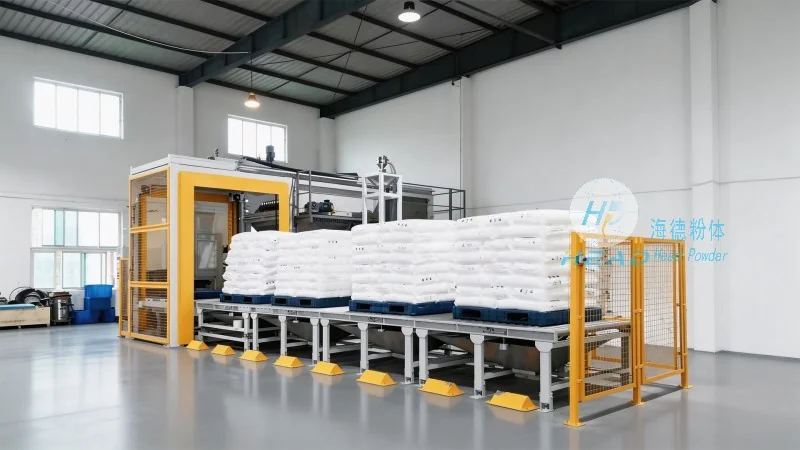
2. Screw Conveyor: Advantages and Disadvantages
Screw conveyors, also known as auger conveyors, use a rotating screw to move white clay powder through a trough or tube. This method is widely used in industries where the powder needs to be conveyed horizontally or at a slight incline. Shandong HeadPowder Engineering Co., Ltd. manufactures durable screw conveyors suitable for handling white clay powder. The main advantages of screw conveyors include simplicity, low maintenance, and the ability to handle a wide range of materials without the need for additional equipment. They are also suitable for short to medium distances and can be easily integrated into existing production lines. However, screw conveyors have limitations, such as lower conveying capacity compared to pneumatic systems, potential for material degradation due to friction, and the risk of clogging, especially with cohesive powders like white clay. The design must be carefully selected to prevent material buildup and ensure smooth operation.
3. Belt Conveyor: Advantages and Disadvantages
Belt conveyors use a continuous belt to transport white clay powder, typically in bulk quantities. This method is common in industries requiring high-volume material handling over longer distances. Shandong HeadPowder Engineering Co., Ltd. provides robust belt conveyor systems designed for white clay powder applications. The advantages of belt conveyors include high capacity, long-distance transport capability, and low energy consumption compared to pneumatic systems. They are also relatively simple to install and maintain, making them a cost-effective solution for many operations. However, belt conveyors have several disadvantages, including the need for regular belt tensioning and replacement, potential for material spillage and dust generation, and the risk of belt damage from abrasive materials. The system's design must consider the powder's properties to prevent wear and ensure efficient operation.
4. Hydraulic Conveying: Advantages and Disadvantages
Hydraulic conveying uses a liquid medium, such as water or oil, to transport white clay powder. This method is particularly useful for handling fine powders that are difficult to convey using air or mechanical means. Shandong HeadPowder Engineering Co., Ltd. offers specialized hydraulic conveying systems for white clay powder. The advantages of hydraulic conveying include the ability to handle very fine powders, reduced dust emissions, and the capacity to transport materials over long distances with minimal energy loss. However, this method has significant drawbacks, including higher costs due to the need for hydraulic pumps and fluid systems, potential for material contamination from the liquid medium, and the complexity of system maintenance. Additionally, the system requires careful monitoring to prevent fluid leakage and ensure the powder remains suspended in the liquid.
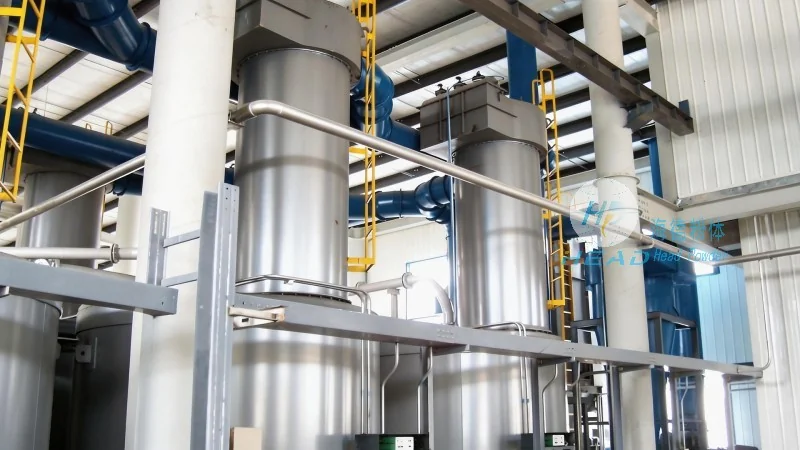
5. Comparison and Selection Criteria
When selecting a conveying method for white clay powder, several factors must be considered, including the material's properties, conveying distance, required capacity, and budget. Pneumatic conveying is ideal for long-distance transport and fine powders but is energy-intensive. Screw conveyors are suitable for short to medium distances and simple operations but have lower capacity and risk of clogging. Belt conveyors offer high capacity and long-distance transport but require regular maintenance and risk spillage. Hydraulic conveying is effective for very fine powders but is costly and complex. Shandong HeadPowder Engineering Co., Ltd. recommends evaluating these factors and considering the specific needs of the application to choose the most suitable conveying method. For example, industries with high dust control requirements may prefer pneumatic or hydraulic systems, while those with budget constraints might opt for screw or belt conveyors.
Conclusion
Efficient conveying of white clay powder is crucial for maintaining productivity and safety in industrial operations. Shandong HeadPowder Engineering Co., Ltd., with its expertise in white clay powder and conveying systems, provides tailored solutions to meet the diverse needs of various industries. By understanding the advantages and disadvantages of different conveying methods, companies can select the most appropriate system to optimize their processes, reduce costs, and enhance overall performance. Whether using pneumatic, screw, belt, or hydraulic systems, the key is to match the technology with the specific requirements of the application to achieve the best results.

 Shandong Headpowder Engineering Co., Ltd.
 156-6277-7102(Quản lý Trương)
  0531-83386006
  Thành phố Tế Nam, Tỉnh Sơn Đông, Trung Quốc
Điện thoại
WeChatTư vấn
Lên đầu