Với hơn 10 năm kinh nghiệm về vận chuyển khí nén, Headpowder Sơn Đông cung cấp hệ thống, thiết bị và quạt gió toàn chuỗi, đảm nhận các dự án kỹ thuật bột trọn gói trên toàn quốc.
Coal gangue lime is a byproduct of coal mining and processing, often requiring efficient and reliable transportation for subsequent use in industrial applications. The choice of conveying method significantly impacts operational efficiency, cost, and environmental compliance. This article provides a detailed comparison of common coal gangue lime conveying methods, highlighting their advantages and disadvantages to assist in selecting the most suitable solution for specific industrial needs.
Introduction to Coal Gangue Lime Conveying
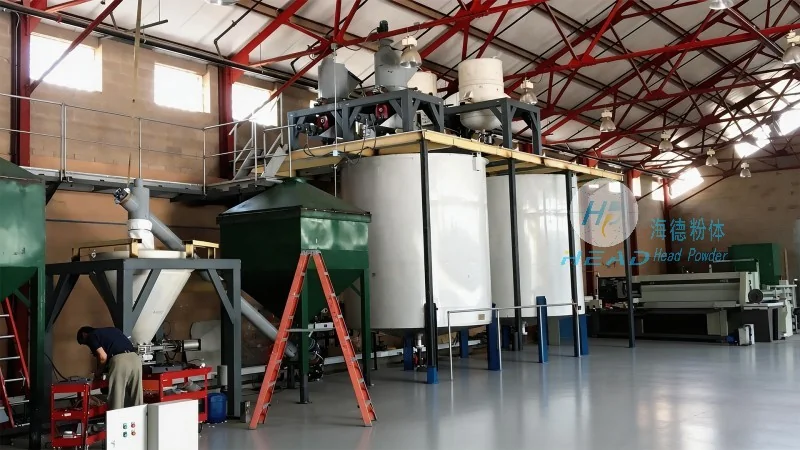
Coal gangue, also known as coal waste, is the solid residue left after coal is extracted from the earth. Lime is often added to coal gangue to neutralize acidic components or enhance its use in construction materials, soil stabilization, or environmental remediation. The transportation of this material demands equipment capable of handling bulk solids over varying distances and under different environmental conditions. Effective conveying systems ensure consistent material flow, minimize downtime, and reduce operational costs. HeadPowder, a leading engineering company based in Shandong, China, specializes in designing and implementing customized conveying solutions tailored to the unique requirements of coal gangue lime handling.
Common Conveying Methods for Coal Gangue Lime
Several methods are widely used for transporting coal gangue lime, each with distinct characteristics suited to different operational scenarios. The primary options include belt conveyors, scraper conveyors, and pneumatic (air) conveyors. Each method has its own set of advantages and limitations, which are critical to consider when selecting a system for a specific application.
Belt Conveyors: Long-Distance and High-Volume Transport
Belt conveyors are among the most common and versatile equipment for transporting bulk materials, including coal gangue lime. They are particularly effective for long-distance horizontal or slightly inclined transport due to their ability to handle large volumes at relatively low cost. The primary advantage of belt conveyors is their high capacity and low power consumption per tonne of material moved. They are also relatively simple to install and maintain, with minimal moving parts compared to other systems. However, belt conveyors require a relatively flat or gently sloped surface to operate efficiently, and they may need additional equipment, such as transfer points or vertical lift sections, for vertical or steeply inclined transport. The initial investment for a belt conveyor system can be higher than for smaller-scale systems, but the operational efficiency and durability often justify the cost.
Scraper Conveyors: Vertical and High-Inclination Transport
Scraper conveyors are ideal for transporting coal gangue lime in vertical or steeply inclined applications, such as elevating material from a storage silo to a processing plant. These systems consist of a continuous belt or chain with attached scrapers that move along a trough, pushing the material upward. The main advantage of scraper conveyors is their ability to handle high-temperature or abrasive materials without significant wear, as the scrapers are designed to resist corrosion and wear from the material being conveyed. They are also relatively compact and can be installed in tight spaces, making them suitable for confined areas. However, scraper conveyors have higher power consumption compared to belt conveyors due to the friction between the scrapers and the material. The components, such as the chain and scrapers, are more prone to wear and require more frequent maintenance. Additionally, the system may generate more noise and vibration, which can be a concern in certain industrial environments.
Pneumatic (Air) Conveyors: Dust-Free and Flexible Transport
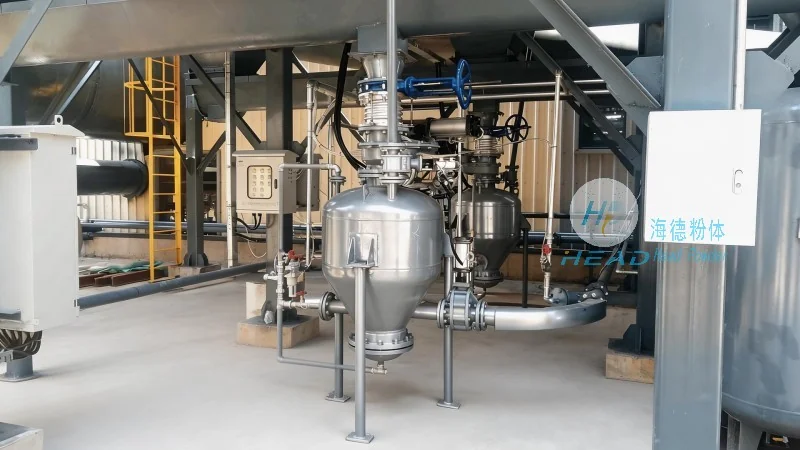
Pneumatic conveyors use air pressure to transport coal gangue lime in a closed system, typically through a network of pipes. This method is particularly advantageous for applications where dust control is critical, as the material is contained within the system, preventing environmental contamination. Pneumatic conveyors are highly flexible, allowing for changes in the layout of the conveying system without major modifications. They can transport material over short to medium distances and are suitable for both horizontal and vertical transport. The primary advantage of pneumatic systems is their ability to handle fine or powdery materials without segregation or loss of material. However, pneumatic conveyors have higher energy consumption compared to mechanical systems, as they require continuous air flow to maintain material movement. The system also requires more complex components, such as air compressors and filters, which increase the initial cost and maintenance requirements. Additionally, the system may be less efficient for very large volumes of material, as the pressure drop can limit the distance over which material can be conveyed.
Comparison and Selection Criteria
When selecting a conveying method for coal gangue lime, several factors must be considered to ensure the most efficient and cost-effective solution. The key criteria include the distance and layout of the transport route, the volume and characteristics of the material (e.g., particle size, moisture content, abrasiveness), the required speed of material flow, and the environmental regulations governing dust control. For long-distance horizontal transport over several hundred meters, belt conveyors are generally the most economical choice due to their high capacity and low operational cost. For vertical or steeply inclined transport, scraper conveyors are preferred for their ability to handle high-temperature or abrasive materials. For applications requiring dust-free transport or flexible layout changes, pneumatic conveyors offer a reliable solution, albeit at a higher cost and energy consumption.
HeadPowder: Customized Conveying Solutions for Coal Gangue Lime
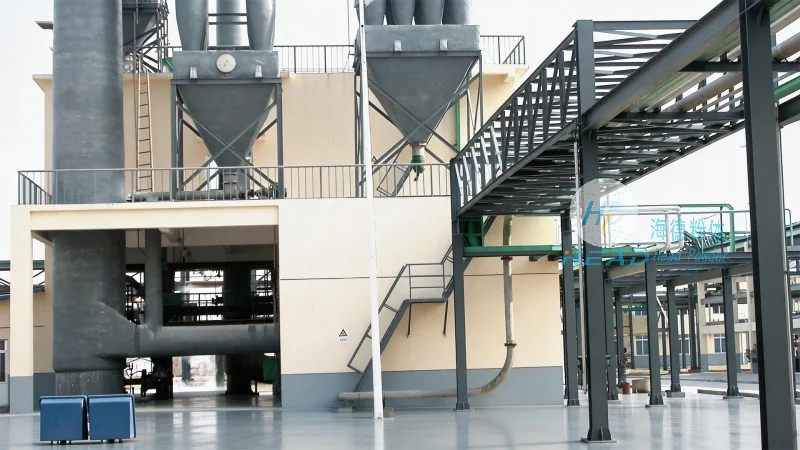
HeadPowder Engineering Co., Ltd., based in Shandong, China, is a leading provider of engineering solutions for bulk material handling, including coal gangue lime. The company specializes in designing and manufacturing customized conveying systems that meet the specific needs of clients. HeadPowder's team of experienced engineers works closely with clients to assess their operational requirements, material characteristics, and budget constraints to develop tailored solutions. The company offers a range of equipment, including belt conveyors, scraper conveyors, and pneumatic systems, as well as related components such as feeders, hoppers, and control systems. HeadPowder's commitment to quality and customer satisfaction ensures that clients receive reliable, efficient, and cost-effective conveying solutions that enhance their operational performance and comply with environmental regulations.
Conclusion
The choice of coal gangue lime conveying method depends on a variety of factors, including the distance, layout, and material characteristics of the transport operation. Belt conveyors are ideal for long-distance horizontal transport, scraper conveyors for vertical or steeply inclined transport, and pneumatic conveyors for dust-free or flexible applications. Each method has its own advantages and disadvantages, and the selection should be based on a thorough analysis of the specific requirements of the project. HeadPowder Engineering Co., Ltd. provides expert guidance and customized solutions to help clients choose the most suitable conveying method for their coal gangue lime handling needs, ensuring optimal performance and efficiency.

 Shandong Headpowder Engineering Co., Ltd.
 156-6277-7102(Quản lý Trương)
  0531-83386006
  Thành phố Tế Nam, Tỉnh Sơn Đông, Trung Quốc
Điện thoại
WeChatTư vấn
Lên đầu