Với hơn 10 năm kinh nghiệm về vận chuyển khí nén, Headpowder Sơn Đông cung cấp hệ thống, thiết bị và quạt gió toàn chuỗi, đảm nhận các dự án kỹ thuật bột trọn gói trên toàn quốc.
Boron powder, a critical material in various industrial applications, requires efficient and reliable transportation from production sites to processing facilities. The choice of conveying method significantly impacts operational efficiency, material integrity, and overall production costs. This article explores common boron powder conveying methods, with a focus on pneumatic conveying as a primary solution for handling fine powders like boron powder.
Understanding Boron Powder Properties and Conveying Challenges
Before delving into specific conveying methods, it is essential to understand the characteristics of boron powder that influence transportation. Boron powder is typically fine, with a high density and potential for static charge accumulation. These properties can lead to issues such as caking, agglomeration, and material loss during handling. Effective conveying systems must address these challenges to ensure consistent performance and minimize downtime.
Common Boron Powder Conveying Methods
Several methods are employed for boron powder transportation, each with its advantages and limitations. The primary categories include mechanical conveying systems, such as screw conveyors and belt conveyors, and pneumatic conveying systems. Mechanical systems are often used for bulk materials but may struggle with fine powders due to friction and material buildup. In contrast, pneumatic conveying offers superior flexibility and efficiency for handling boron powder.
Pneumatic Conveying: The Preferred Method for Boron Powder
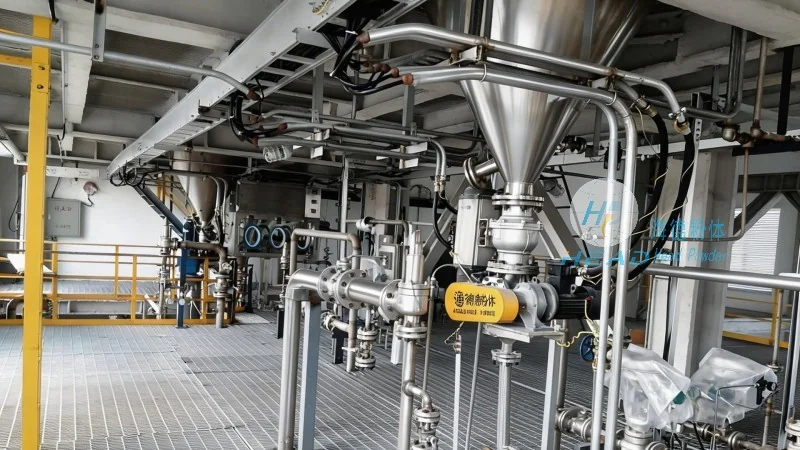
Pneumatic conveying, also known as air conveying, is widely regarded as the most effective method for transporting boron powder. This technique involves using compressed air to move the powder through a pipeline system. There are two main types of pneumatic conveying: dilute-phase and dense-phase. Dilute-phase systems use low air velocity to transport the powder in a dispersed state, while dense-phase systems use higher air velocity to create a slurry-like flow, reducing the risk of material degradation.
Advantages of Pneumatic Conveying for Boron Powder
Implementing pneumatic conveying for boron powder offers several key benefits. First, it minimizes material degradation by reducing friction and impact during transportation. Boron powder is sensitive to mechanical stress, and pneumatic systems mitigate this risk by using air as the primary transport medium. Second, pneumatic conveying allows for flexible system design, enabling the integration of multiple processing points and varying distances. This flexibility is crucial for industrial settings where production lines may need to be reconfigured or expanded.
Key Components of a Boron Powder Pneumatic Conveying System
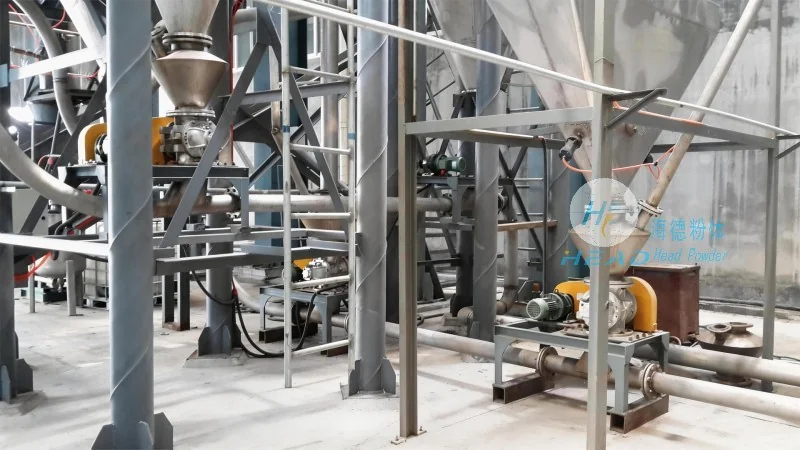
A typical boron powder pneumatic conveying system consists of several critical components. These include a material feeder to introduce the powder into the system, a blower or compressor to generate the necessary air pressure, a pipeline network to transport the powder, and a receiver or silo to store the material at the destination. Each component plays a vital role in ensuring the system operates efficiently and reliably. For example, the material feeder must be designed to handle fine powders without clogging, while the blower must provide consistent air pressure to maintain flow.
Considerations for Designing Boron Powder Pneumatic Conveying Systems
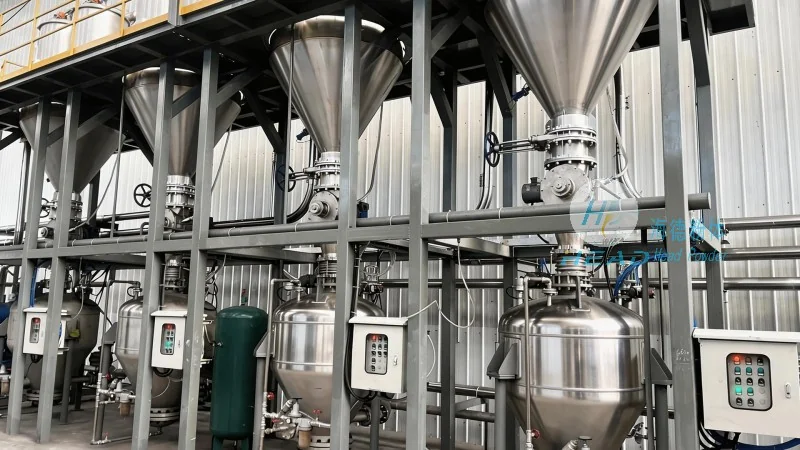
Designing an effective boron powder pneumatic conveying system requires careful consideration of several factors. The first consideration is the system's capacity, which must match the production rate of the boron powder. Overloading the system can lead to reduced efficiency and increased wear on components. Second, the system's layout must be optimized to minimize pressure losses and energy consumption. This involves selecting the appropriate pipe diameter, length, and fittings to ensure smooth flow. Third, the system must be equipped with proper filtration and dust collection to comply with environmental regulations and maintain air quality.
Case Study: HeadPowder's Boron Powder Pneumatic Conveying Solutions
Shandong HeadPowder Engineering Co., Ltd., a leading provider of powder handling solutions, specializes in designing and manufacturing pneumatic conveying systems tailored to boron powder applications. With years of experience in the industry, HeadPowder has developed advanced systems that address the unique challenges of boron powder transportation. Their solutions incorporate high-quality components, such as specialized feeders and efficient blowers, to ensure reliable operation. The company's expertise in material handling allows them to provide customized solutions that meet the specific needs of their clients, from small-scale operations to large industrial facilities.
Conclusion: Choosing the Right Boron Powder Conveying Method
In conclusion, the choice of boron powder conveying method depends on various factors, including material properties, production scale, and operational requirements. While mechanical systems may be suitable for some applications, pneumatic conveying is often the preferred choice for handling fine powders like boron. By understanding the advantages and components of pneumatic conveying systems, industrial facilities can enhance their operational efficiency and ensure the integrity of their boron powder supply. For those seeking reliable and efficient boron powder conveying solutions, Shandong HeadPowder Engineering Co., Ltd. offers cutting-edge systems designed to meet the demands of modern industrial applications.

 Shandong Headpowder Engineering Co., Ltd.
 156-6277-7102(Quản lý Trương)
  0531-83386006
  Thành phố Tế Nam, Tỉnh Sơn Đông, Trung Quốc
Điện thoại
WeChatTư vấn
Lên đầu