Với hơn 10 năm kinh nghiệm về vận chuyển khí nén, Headpowder Sơn Đông cung cấp hệ thống, thiết bị và quạt gió toàn chuỗi, đảm nhận các dự án kỹ thuật bột trọn gói trên toàn quốc.
When it comes to handling plastic powders in industrial settings, selecting the right conveying method is crucial for efficiency, cost-effectiveness, and product integrity. Plastic powders are widely used in manufacturing processes, and their proper transport from storage to processing equipment is essential for smooth operations. This article provides a detailed comparison of common plastic powder conveying methods, highlighting their advantages, limitations, and suitable applications. The information is presented by Shandong HeadPowder Engineering Co., Ltd., a leading supplier of industrial conveying solutions, with a focus on practical considerations for businesses in the plastic processing industry.
1. Screw Conveyors for Plastic Powder Transport
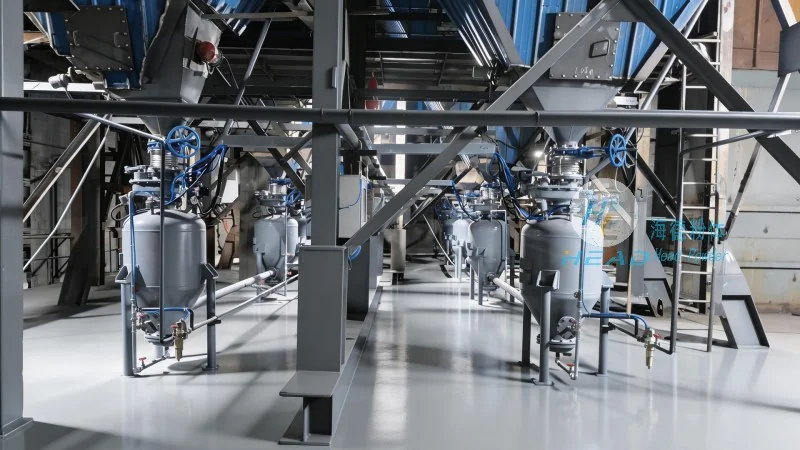
Screw conveyors, also known as auger conveyors, are one of the most traditional and widely used methods for transporting plastic powders. These systems consist of a rotating helical screw inside a U-shaped or tubular housing. As the screw rotates, it pushes the plastic powder forward, creating a continuous flow. HeadPowder offers high-quality screw conveyors designed specifically for plastic powders, ensuring minimal product degradation and efficient material movement. The advantages of screw conveyors include their simplicity, low maintenance requirements, and ability to handle a wide range of plastic powder types. However, they may not be suitable for very fine powders or materials with high moisture content, as these can cause clogging or reduced efficiency. Additionally, screw conveyors are generally limited to horizontal or slight incline applications, making them less effective for vertical transport.
2. Pneumatic Conveying Systems
Pneumatic conveying, or air-assisted transport, is another popular method for plastic powder handling. This technique uses compressed air to move plastic powders through a pipeline. There are two main types: pressure and vacuum systems. In pressure systems, air is blown into the pipeline, pushing the powder forward. Vacuum systems, on the other hand, use suction to draw the powder into the line. HeadPowder specializes in pneumatic conveying solutions tailored to the unique properties of plastic powders, ensuring reliable and efficient transport. Pneumatic conveyors offer several benefits, such as the ability to transport materials over long distances, vertical and horizontal movement capabilities, and the option to integrate with other processing equipment. However, they require higher energy input compared to mechanical systems and may not be suitable for very abrasive or sticky powders, as this can lead to wear on the system components. Proper system design and maintenance are critical to prevent blockages and ensure consistent performance.
3. Vibratory Conveyors
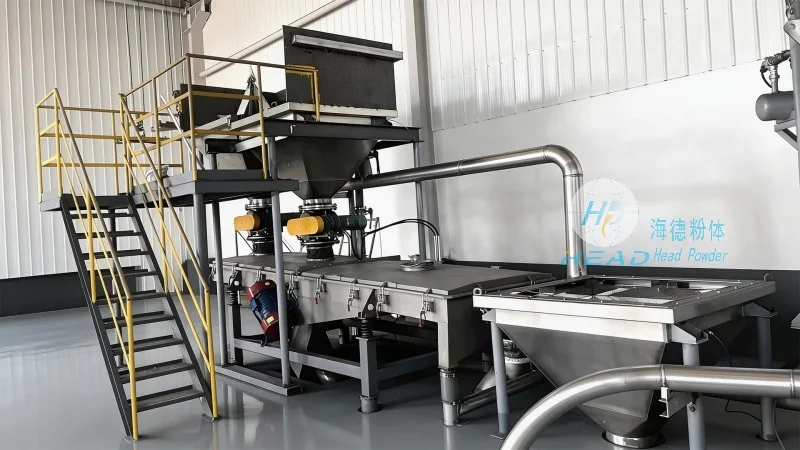
Vibratory conveyors utilize vibration to move plastic powders along a trough. These systems consist of a conveyor bed that is mounted on springs and driven by an electric motor with a variable frequency drive. The vibration causes the powder to move forward in a controlled manner. HeadPowder provides vibratory conveyors that are optimized for plastic powder applications, offering smooth and consistent transport with minimal product degradation. Vibratory conveyors are particularly effective for handling sticky or cohesive powders, as the vibration helps to break up agglomerates and prevent material buildup. They are also suitable for vertical and inclined transport, making them versatile for various industrial setups. However, these systems may have higher initial costs compared to screw conveyors and require regular maintenance to ensure the vibratory mechanism operates correctly. The efficiency of vibratory conveyors can also be affected by the type of powder and the design of the conveyor bed.
4. Belt Conveyors
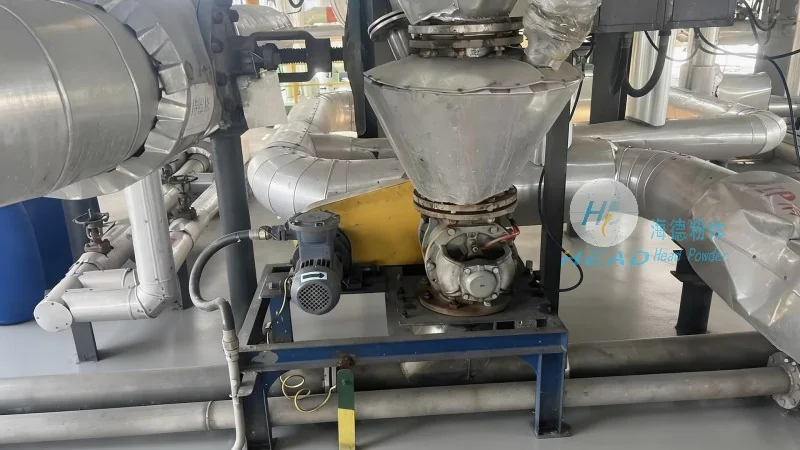
Belt conveyors are another option for transporting plastic powders, especially in applications where large volumes of material need to be moved over short to medium distances. These systems consist of a continuous belt that moves over rollers or pulleys, carrying the plastic powder from one point to another. HeadPowder manufactures belt conveyors designed for plastic powder handling, ensuring durability and reliability. Belt conveyors offer advantages such as high capacity, ability to handle bulk materials, and ease of integration with other equipment. They are particularly suitable for horizontal transport and can be adapted for incline or vertical applications with appropriate design. However, belt conveyors may not be ideal for very fine powders, as they can cause dust accumulation and require regular cleaning to prevent material buildup. Additionally, the belt material must be selected carefully to avoid contamination of the plastic powder, as some belts may release chemicals or particles that could affect the product quality.
5. Comparison and Selection Criteria
When choosing a plastic powder conveying method, several factors must be considered to ensure the best fit for a specific application. The key criteria include the type and properties of the plastic powder (e.g., particle size, moisture content, abrasiveness), the required transport distance and direction (horizontal, vertical, or inclined), the desired capacity and speed, and the available budget and maintenance resources. HeadPowder recommends evaluating each method based on these factors to make an informed decision. For example, screw conveyors are often the most cost-effective choice for short horizontal transport of non-abrasive powders, while pneumatic systems are better suited for long-distance or vertical transport. Vibratory conveyors excel in handling sticky or cohesive materials, and belt conveyors are ideal for high-volume applications. By understanding the strengths and limitations of each method, businesses can select the most efficient and reliable conveying solution for their plastic powder handling needs.

 Shandong Headpowder Engineering Co., Ltd.
 156-6277-7102(Quản lý Trương)
  0531-83386006
  Thành phố Tế Nam, Tỉnh Sơn Đông, Trung Quốc
Điện thoại
WeChatTư vấn
Lên đầu