Với hơn 10 năm kinh nghiệm về vận chuyển khí nén, Headpowder Sơn Đông cung cấp hệ thống, thiết bị và quạt gió toàn chuỗi, đảm nhận các dự án kỹ thuật bột trọn gói trên toàn quốc.
When it comes to the transportation of ferrous sulfate, selecting the right method is crucial for ensuring efficiency, safety, and cost-effectiveness in industrial applications. Ferrous sulfate, a widely used chemical in water treatment, agriculture, and industrial processes, requires careful handling during transit. This article provides a detailed comparison of common transportation methods for ferrous sulfate, highlighting their respective advantages and disadvantages. By understanding these options, businesses can make informed decisions to optimize their supply chain and operational performance.
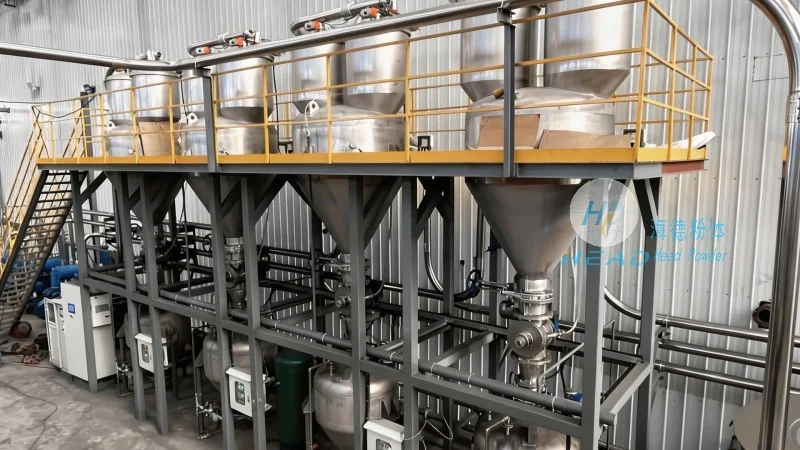
Overview of Ferrous Sulfate Transportation Methods
Ferrous sulfate is typically transported in bulk quantities, necessitating specialized equipment and systems to maintain its stability and prevent degradation. The primary transportation methods include bulk tankers, pump systems, and specialized containers. Each method has distinct characteristics that influence its suitability for different applications and environments.
1. Bulk Tanker Transportation: Advantages and Disadvantages
Bulk tanker transportation involves the use of large, specialized trucks or railcars equipped with tanks designed to store and transport liquid ferrous sulfate. This method is widely used for long-distance and bulk shipments. One of the key advantages of bulk tanker transport is its ability to handle large volumes, reducing the number of trips required and minimizing overall transportation costs. The tanks are often insulated to maintain the chemical's temperature, which is critical for preventing precipitation or crystallization that could clog pipelines or storage tanks.
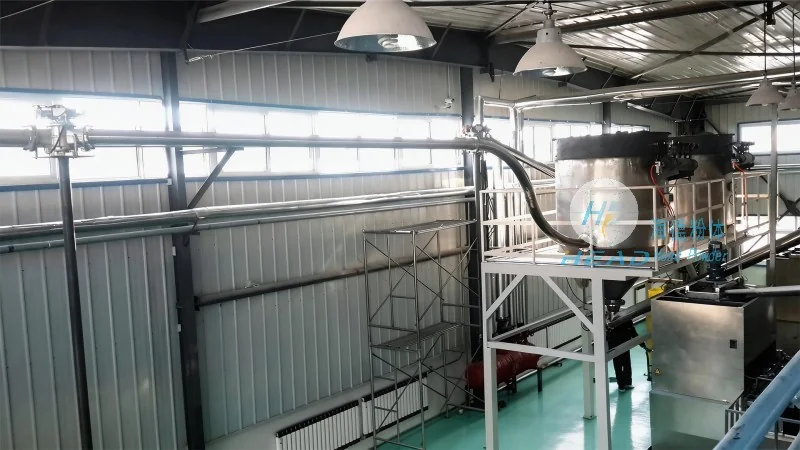
However, bulk tanker transportation also has notable disadvantages. The primary concern is the risk of spillage or leakage, which can lead to environmental contamination and safety hazards. Proper loading and unloading procedures are essential to mitigate these risks, but they add complexity and cost to the process. Additionally, bulk tankers may require specialized infrastructure at the receiving site, such as dedicated storage tanks and pumping equipment, which can be a significant investment for smaller operations.
2. Pump Systems for Liquid Ferrous Sulfate: Advantages and Disadvantages
Pump systems are commonly used for the internal transportation of ferrous sulfate within industrial facilities or between processing units. These systems typically involve centrifugal or positive displacement pumps, which can handle the liquid's viscosity and flow requirements. The advantages of pump systems include precise control over flow rates and pressure, allowing for consistent delivery to treatment plants or processing equipment. This level of control is particularly beneficial in water treatment applications, where exact dosing is critical for maintaining water quality.
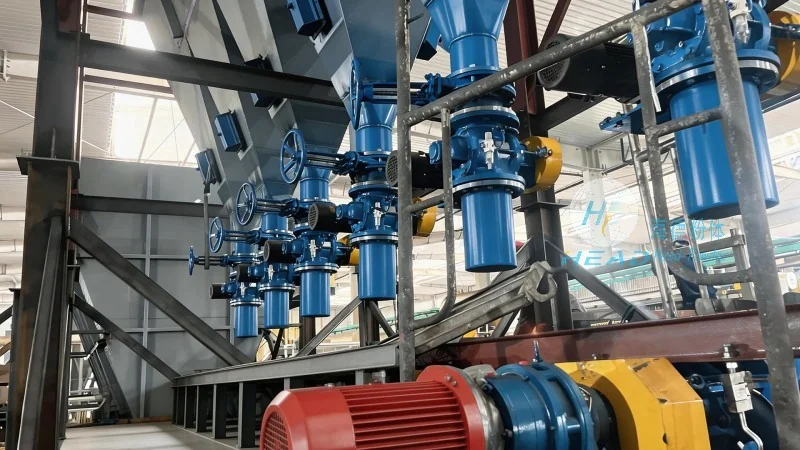
Despite these benefits, pump systems have their drawbacks. The most significant disadvantage is the potential for equipment failure, which can disrupt operations and lead to downtime. Regular maintenance and monitoring are necessary to ensure reliability, adding to operational costs. Additionally, pump systems may require additional space and infrastructure, such as pipelines and valves, which can increase installation and maintenance expenses.
3. Specialized Containers and Packaging: Advantages and Disadvantages
For smaller or more localized shipments, specialized containers such as IBC totes, drums, or bags are often used. These containers are designed to protect the ferrous sulfate from moisture, air, and physical damage during transit. The advantages of this method include flexibility in handling smaller volumes and the ability to store the chemical on-site without large-scale infrastructure. This is particularly useful for applications that require frequent, smaller deliveries.
However, specialized containers have limitations. They are generally less efficient for large-scale transportation, as they require more trips to transport the same volume compared to bulk tankers. Additionally, the containers may need to be replaced or cleaned more frequently, increasing long-term costs. The risk of container damage or leakage is also higher with smaller, more portable containers, which can affect the chemical's quality and usability.
4. Impact of Transportation Methods on Ferrous Sulfate Quality
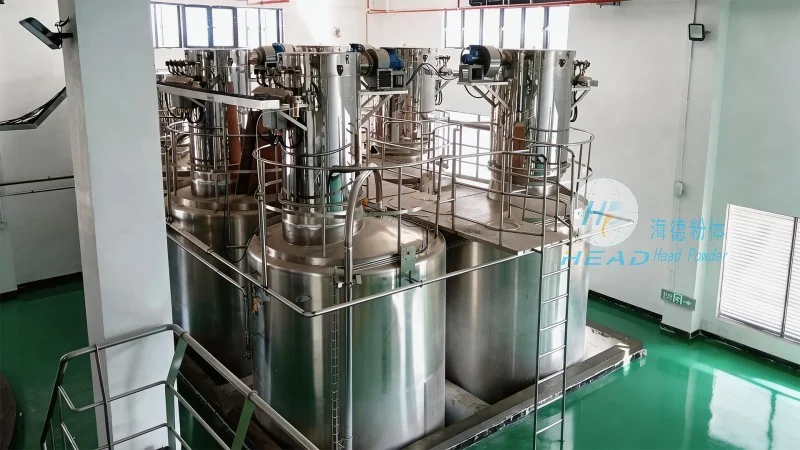
The choice of transportation method directly impacts the quality of ferrous sulfate. For example, improper temperature control during bulk tanker transport can cause the chemical to precipitate, reducing its effectiveness in water treatment. Similarly, pump systems that are not properly maintained can introduce air or contaminants into the liquid, affecting its purity. Specialized containers, while flexible, may not provide adequate protection against environmental factors, leading to degradation over time.
Conclusion: Selecting the Right Transportation Method for Ferrous Sulfate
Choosing the appropriate transportation method for ferrous sulfate depends on several factors, including the volume of the shipment, the distance traveled, the receiving site's infrastructure, and the specific application requirements. Bulk tanker transport is ideal for large-scale, long-distance shipments, while pump systems are better suited for internal facility use. Specialized containers offer flexibility for smaller volumes. By carefully evaluating these factors, businesses can select a transportation method that balances efficiency, cost, and safety. For reliable and professional transportation solutions, Shandong HeadPowder Engineering Co., Ltd., a leading provider in the industry, offers expertise and services tailored to meet the diverse needs of ferrous sulfate users. With a commitment to quality and safety, HeadPowder ensures that ferrous sulfate is transported in a manner that maintains its integrity and effectiveness, supporting the success of industrial and environmental applications.

 Shandong Headpowder Engineering Co., Ltd.
 156-6277-7102(Quản lý Trương)
  0531-83386006
  Thành phố Tế Nam, Tỉnh Sơn Đông, Trung Quốc
Điện thoại
WeChatTư vấn
Lên đầu