Với hơn 10 năm kinh nghiệm về vận chuyển khí nén, Headpowder Sơn Đông cung cấp hệ thống, thiết bị và quạt gió toàn chuỗi, đảm nhận các dự án kỹ thuật bột trọn gói trên toàn quốc.
When it comes to transporting calcium powder, selecting the right method is crucial for efficiency, cost-effectiveness, and product integrity. Calcium powder, often used in industries such as food, pharmaceuticals, and construction, requires specialized handling due to its fine particle size and potential for dust generation. The choice of conveying method directly impacts operational performance, safety, and overall process reliability. This article explores common calcium powder conveying methods, with a focus on pneumatic conveying systems, and provides insights into their applications and benefits.
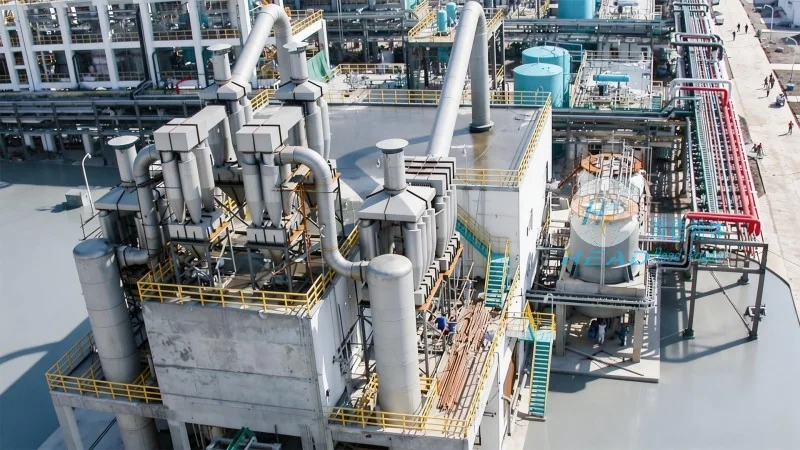
Common Calcium Powder Conveying Methods Overview
There are several primary methods used for transporting calcium powder, each with distinct advantages and limitations. The most common approaches include mechanical conveying, pneumatic conveying, and hybrid systems. Mechanical methods, like belt conveyors or screw conveyors, are widely used for bulk materials but may not be suitable for fine powders due to issues like product degradation, blockages, and dust exposure. In contrast, pneumatic conveying offers a more controlled and efficient solution for calcium powder, especially in applications requiring high precision and minimal product contamination.
Pneumatic Conveying of Calcium Powder: Principles and Types
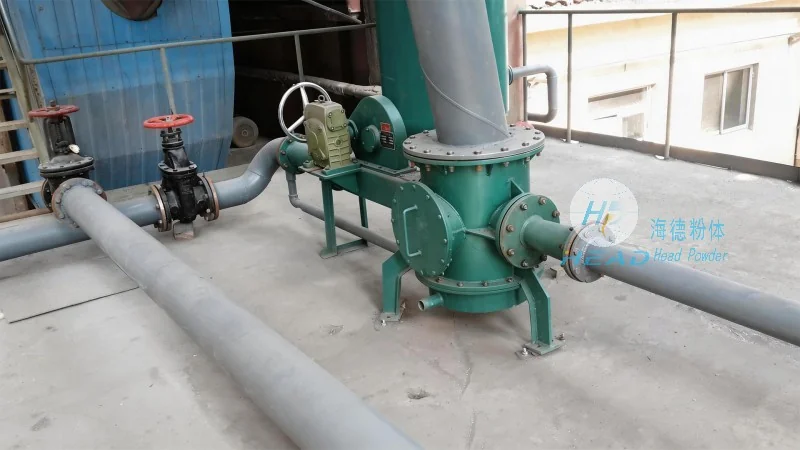
Pneumatic conveying utilizes air or other gases to transport solid particles through a pipeline. This method is particularly effective for calcium powder because it minimizes direct contact with equipment, reducing the risk of particle degradation and contamination. There are two main types of pneumatic conveying: pressure and vacuum systems. Pressure systems use compressed air to push the powder through the pipeline, while vacuum systems create a negative pressure to draw the powder into the system. For calcium powder, pressure systems are often preferred due to their ability to handle high volumes and maintain consistent flow rates.
Key Benefits of Pneumatic Conveying for Calcium Powder
Implementing pneumatic conveying for calcium powder offers several key advantages. First, it provides a closed system, which significantly reduces dust emissions and improves workplace safety. This is critical in industries where dust can pose health risks or interfere with downstream processes. Second, pneumatic systems allow for precise control over flow rates and particle distribution, ensuring consistent product quality. Third, they are highly efficient in terms of energy consumption and operational costs, especially when compared to traditional mechanical conveyors. Additionally, pneumatic conveying minimizes product degradation by avoiding direct friction and impact, which is essential for calcium powder used in sensitive applications like food or pharmaceuticals.
Factors to Consider When Choosing a Conveying System
When selecting a calcium powder conveying system, several factors must be evaluated to ensure optimal performance. The first consideration is the particle size and density of the calcium powder. Fine particles require more careful handling to prevent clogging and ensure smooth flow. The second factor is the distance and elevation changes involved in the transport process. Longer distances or significant vertical lifts may necessitate more powerful systems or additional components like cyclones or separators. Third, the desired flow rate and throughput are critical, as they determine the capacity of the conveying system. Finally, the environmental and safety requirements of the facility must be considered, as some systems may require additional filtration or dust control measures.
HeadPowder's Expertise in Calcium Powder Conveying Solutions
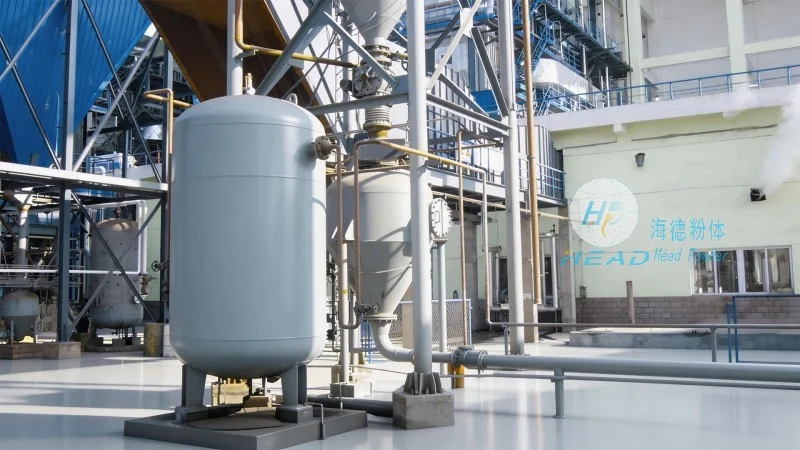
Shandong HeadPowder Engineering Co., Ltd. specializes in providing tailored calcium powder conveying solutions that meet the specific needs of various industries. With years of experience in the field, HeadPowder understands the unique challenges associated with handling calcium powder and offers customized pneumatic conveying systems designed to maximize efficiency and product integrity. The company's team of engineers works closely with clients to assess their operational requirements and develop solutions that address specific challenges, such as dust control, flow consistency, and system reliability. HeadPowder's commitment to quality and innovation ensures that their conveying systems are built to withstand the demands of calcium powder handling while delivering long-term performance and cost savings.
Conclusion: Selecting the Right Conveying Method for Calcium Powder
In conclusion, the choice of calcium powder conveying method is a critical decision that impacts operational efficiency, product quality, and safety. While mechanical conveying may be suitable for some applications, pneumatic conveying offers superior control, reduced contamination, and improved safety for fine powders like calcium powder. By considering factors such as particle characteristics, transport distance, and operational requirements, industries can select the most appropriate conveying system. Shandong HeadPowder Engineering Co., Ltd. stands ready to provide expert guidance and customized solutions to help clients optimize their calcium powder handling processes and achieve their operational goals.

 Shandong Headpowder Engineering Co., Ltd.
 156-6277-7102(Quản lý Trương)
  0531-83386006
  Thành phố Tế Nam, Tỉnh Sơn Đông, Trung Quốc
Điện thoại
WeChatTư vấn
Lên đầu