Với hơn 10 năm kinh nghiệm về vận chuyển khí nén, Headpowder Sơn Đông cung cấp hệ thống, thiết bị và quạt gió toàn chuỗi, đảm nhận các dự án kỹ thuật bột trọn gói trên toàn quốc.
Corundum, a high-purity aluminum oxide mineral, is widely used in various industrial applications due to its excellent hardness, thermal stability, and chemical inertness. The efficient and reliable conveyance of corundum is crucial for maintaining production efficiency and product quality in processing facilities. This article explores the primary methods of corundum conveyance, focusing on the technical aspects and practical considerations for different industrial scenarios.
Belt Conveyors for Corundum Transport
Belt conveyors are one of the most common and versatile methods for transporting corundum. They are suitable for both short and long-distance transport, and can handle a wide range of particle sizes and loads. The key components of a belt conveyor system include the driving motor, pulleys, idlers, and the conveyor belt itself. For corundum, which is abrasive, it is essential to use high-quality, wear-resistant belts made from materials such as rubber or polyurethane. These belts are designed to withstand the friction and impact from the corundum particles, ensuring a long service life and minimal downtime. The design of the belt conveyor also includes features like incline or decline capabilities, which can be adjusted based on the layout of the processing plant. This flexibility allows for the integration of belt conveyors into existing production lines without major modifications. The efficiency of belt conveyors is further enhanced by the use of variable speed drives, which can adjust the conveyor speed according to the material flow rate, optimizing energy consumption and reducing wear on the system components.
Screw Conveyors for Corundum Handling
Screw conveyors, also known as auger conveyors, are another effective method for transporting corundum, especially in applications where vertical or inclined transport is required. These systems consist of a rotating screw (auger) inside a cylindrical housing. As the screw rotates, it pushes the corundum material forward, similar to how an Archimedes screw works. Screw conveyors are particularly advantageous for handling fine or powdery corundum, as they can maintain a consistent flow without the need for additional dust control measures. The design of the screw conveyor is tailored to the specific characteristics of the corundum, such as particle size and moisture content. For example, a flights with a specific pitch and angle can be selected to prevent clogging and ensure smooth material movement. The housing of the screw conveyor is typically made from stainless steel or other corrosion-resistant materials, which is important for maintaining the purity of the corundum and preventing contamination. Additionally, the system can be equipped with a discharge mechanism at the end, such as a gate or a rotary valve, to control the release of the material. This allows for precise control over the material flow rate, which is critical in processes where the corundum is used as a raw material or additive.
Pneumatic Conveying Systems for Corundum Transport
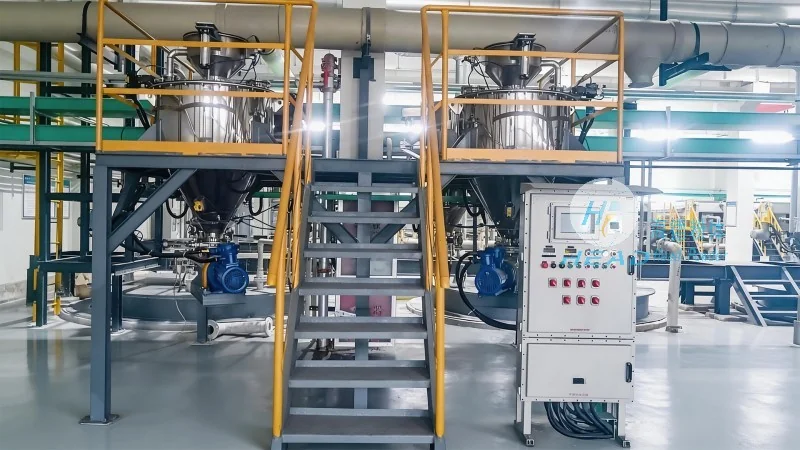
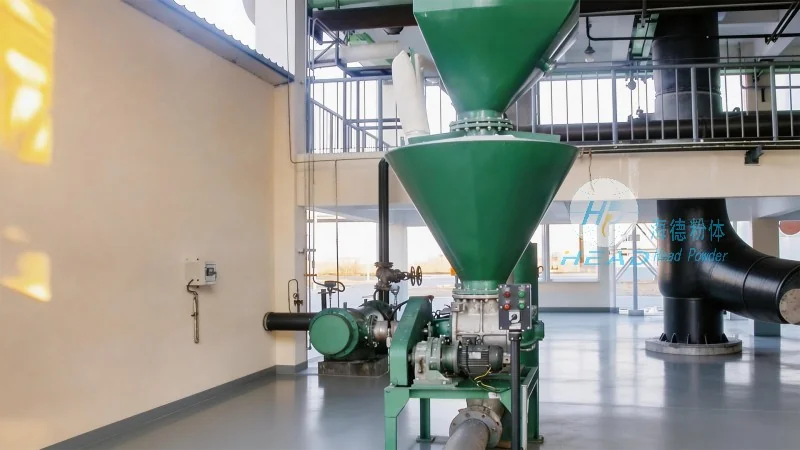
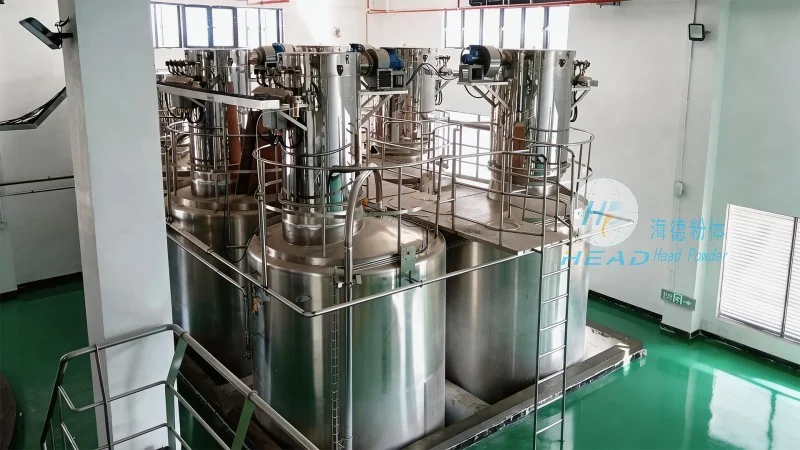
Pneumatic conveying systems use air or other gases to transport corundum particles through a pipeline. This method is ideal for applications that require enclosed transport, such as in food processing or pharmaceutical industries, where dust control is paramount. There are two main types of pneumatic conveying systems: pressure and vacuum. Pressure systems use compressed air to push the corundum particles through the pipeline, while vacuum systems use a vacuum to draw the material into the pipeline. The choice between the two depends on the distance and the volume of material to be transported. For corundum, which is relatively dense, pressure systems are often preferred as they can handle higher loads and longer distances more efficiently. The design of a pneumatic conveying system includes components like the air compressor, air filter, and the conveying pipeline. The pipeline is typically made from stainless steel or plastic, depending on the application and the potential for corrosion. The system also includes a hopper or feeder at the inlet to ensure a consistent supply of corundum, and a receiver or silo at the outlet to collect the material. The efficiency of pneumatic conveying is influenced by factors such as the air velocity, the particle size distribution, and the system pressure. Proper design and maintenance of the system are crucial to prevent blockages and ensure reliable operation. For example, the air velocity must be high enough to keep the particles suspended but not so high as to cause excessive wear on the pipeline or components.

 Shandong Headpowder Engineering Co., Ltd.
 156-6277-7102(Quản lý Trương)
  0531-83386006
  Thành phố Tế Nam, Tỉnh Sơn Đông, Trung Quốc
Điện thoại
WeChatTư vấn
Lên đầu