Với hơn 10 năm kinh nghiệm về vận chuyển khí nén, Headpowder Sơn Đông cung cấp hệ thống, thiết bị và quạt gió toàn chuỗi, đảm nhận các dự án kỹ thuật bột trọn gói trên toàn quốc.
For manufacturers in the battery industry, the efficient and reliable delivery of lithium cobalt oxide (LCO) is a critical step in the production process. LCO is a key cathode material used in lithium-ion batteries, which are integral to modern electronics, electric vehicles, and renewable energy storage systems. The quality and purity of LCO directly impact the performance and lifespan of the final battery product. Therefore, the handling of LCO must be conducted with utmost care to prevent agglomeration, oxidation, or contamination, which could compromise the material's effectiveness. Traditional bulk material handling methods, such as bucket elevators or belt conveyors, may not be suitable for LCO due to its fine particle size and sensitivity to moisture and air exposure. Pneumatic conveying systems offer a more controlled environment for transporting LCO, minimizing the risk of product degradation and ensuring consistent quality throughout the process. This article provides a comprehensive guide to help you navigate the selection process, with insights from industry experts at Shandong HeadPowder Engineering Co., Ltd., a leading provider of material handling solutions based in China.
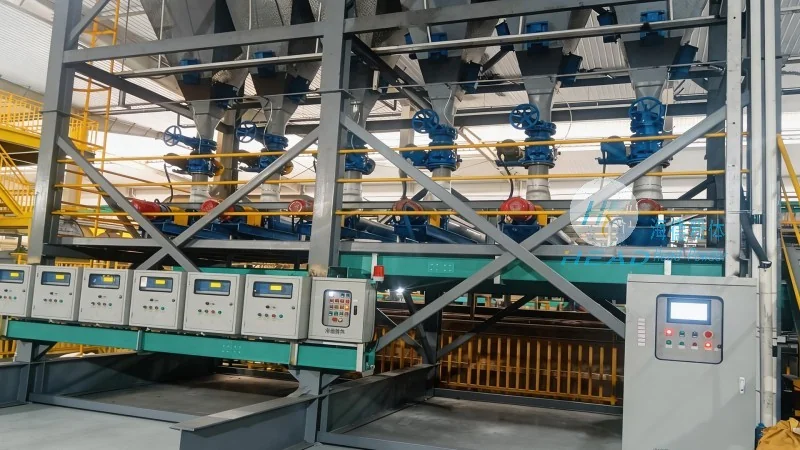
Understanding the Importance of LCO Handling in Battery Manufacturing
Lithium cobalt oxide (LCO) is a high-value material used in the production of lithium-ion batteries, which are integral to modern electronics, electric vehicles, and renewable energy storage systems. The quality and purity of LCO directly impact the performance and lifespan of the final battery product. Therefore, the handling of LCO must be conducted with utmost care to prevent agglomeration, oxidation, or contamination, which could compromise the material's effectiveness. Traditional bulk material handling methods, such as bucket elevators or belt conveyors, may not be suitable for LCO due to its fine particle size and sensitivity to moisture and air exposure. Pneumatic conveying systems offer a more controlled environment for transporting LCO, minimizing the risk of product degradation and ensuring consistent quality throughout the process.
Key Factors to Consider When Selecting a Pneumatic Conveying System for LCO
Choosing the right pneumatic conveying system for LCO delivery requires a thorough evaluation of several key factors. These factors include the physical properties of the LCO material, the specific application requirements, and the operational environment. The first step is to assess the characteristics of the LCO powder, such as particle size distribution, moisture content, and flowability. LCO typically consists of fine particles with a narrow size range, which can affect the system's design, including the type of air classifier, hopper, and ductwork. For example, if the LCO has a high moisture content, a system with integrated drying capabilities may be necessary to prevent caking or blockages. Additionally, the flowability of the material is crucial, as poor flowability can lead to uneven conveying and system inefficiencies. HeadPowder, a company specializing in material handling solutions, emphasizes the importance of material testing to determine the optimal conveying parameters for LCO.
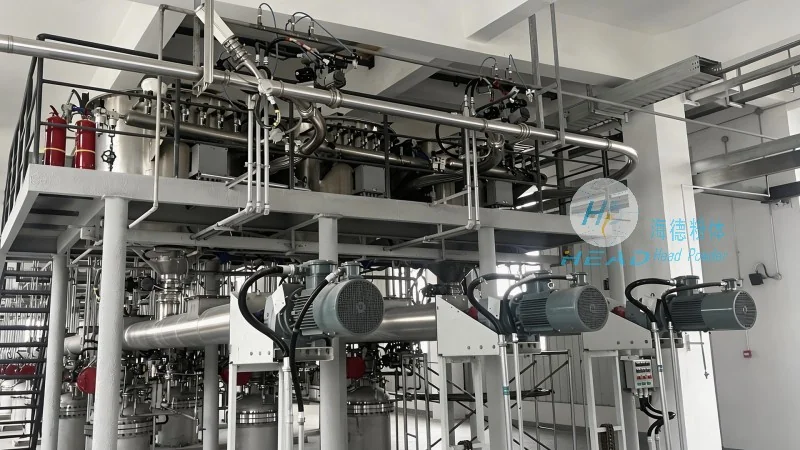
Types of Pneumatic Conveying Systems for LCO Delivery
There are several types of pneumatic conveying systems available for LCO handling, each with its own advantages and limitations. The primary categories include pressure conveying systems and vacuum conveying systems. Pressure conveying systems use compressed air to push the material through the system, while vacuum systems use suction to draw the material. For LCO, pressure systems are often preferred due to their ability to handle high volumes and long distances without significant pressure loss. However, vacuum systems may be more suitable for applications requiring gentle handling or when the material needs to be transported from multiple sources to a central collection point. Another important consideration is the system's capacity and throughput. LCO production lines often require high throughput to meet demand, so the conveying system must be capable of handling large volumes efficiently. HeadPowder offers a range of pressure and vacuum conveying systems tailored to the specific needs of LCO manufacturers, ensuring optimal performance and reliability.
Design Considerations for LCO Pneumatic Conveying Systems
The design of a pneumatic conveying system for LCO must address several technical aspects to ensure efficient operation and product protection. One critical factor is the system's pressure and air flow rate. The pressure must be sufficient to overcome the resistance of the ductwork and any restrictions, such as valves or filters, while maintaining a stable flow of LCO. The air flow rate is also important, as it affects the velocity of the material particles and the risk of product degradation. Excessive air velocity can cause particle attrition, while insufficient velocity may lead to blockages. The system's components, including the hopper, feeder, and ductwork, must be designed to minimize material contact with metal surfaces, as LCO can be sensitive to corrosion or contamination. HeadPowder's engineers use advanced computational fluid dynamics (CFD) simulations to optimize the system design, ensuring that the LCO is conveyed at the optimal velocity and pressure to maintain product integrity.
Integration with Existing Production Lines
When selecting a pneumatic conveying system for LCO, it is essential to consider its integration with the existing production line. Many manufacturers have pre-existing equipment and infrastructure that may need to be adapted or modified to accommodate the new system. HeadPowder provides comprehensive integration services, working closely with clients to ensure that the new pneumatic conveying system fits seamlessly into their current operations. This includes assessing the layout of the production facility, identifying the optimal locations for the hopper, feeder, and discharge point, and coordinating with other equipment, such as mixers or extruders. The goal is to minimize downtime during installation and ensure smooth operation once the system is in place. Additionally, the system should be compatible with existing control systems, allowing for easy monitoring and adjustment of conveying parameters.
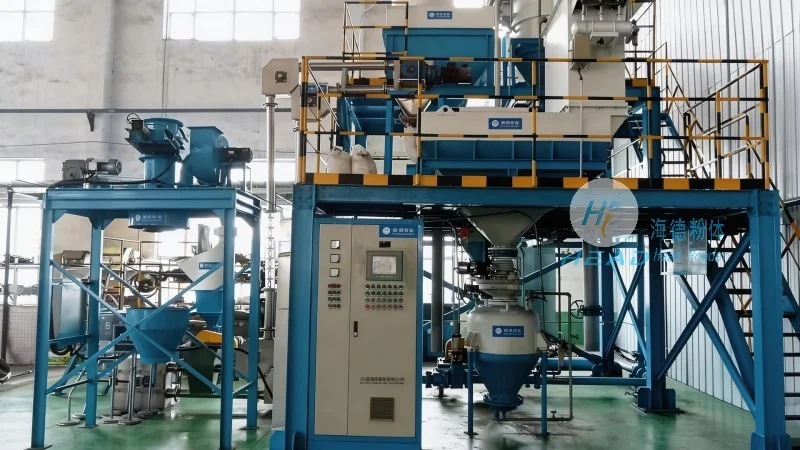
Maintenance and Operational Considerations
Long-term performance of a pneumatic conveying system for LCO depends on regular maintenance and proper operational practices. HeadPowder recommends establishing a routine maintenance schedule to check for wear and tear on components, such as the feeder, ductwork, and filters. Regular cleaning of the system is also crucial to prevent the buildup of LCO residue, which can affect the system's efficiency and product quality. The filters used in the system must be capable of capturing fine LCO particles without clogging, as clogged filters can lead to pressure drops and system failures. Additionally, monitoring the system's performance parameters, such as air pressure and flow rate, can help identify potential issues before they become major problems. HeadPowder offers maintenance services and training to help clients optimize the performance of their pneumatic conveying systems and extend their lifespan.
Conclusion
Selecting the right pneumatic conveying system for your LCO delivery process is a critical decision that can significantly impact the efficiency, safety, and quality of your battery manufacturing operations. By considering the physical properties of LCO, the specific application requirements, and the technical design of the system, you can choose a solution that meets your needs while ensuring product integrity. Shandong HeadPowder Engineering Co., Ltd., with its expertise in material handling solutions, can provide the guidance and equipment necessary to optimize your LCO handling process. Based in China, HeadPowder understands the unique challenges of LCO manufacturing and offers tailored solutions to help you achieve your production goals.

 Shandong Headpowder Engineering Co., Ltd.
 156-6277-7102(Quản lý Trương)
  0531-83386006
  Thành phố Tế Nam, Tỉnh Sơn Đông, Trung Quốc
Điện thoại
WeChatTư vấn
Lên đầu