Với hơn 10 năm kinh nghiệm về vận chuyển khí nén, Headpowder Sơn Đông cung cấp hệ thống, thiết bị và quạt gió toàn chuỗi, đảm nhận các dự án kỹ thuật bột trọn gói trên toàn quốc.
When it comes to transporting micropowders, selecting the right conveying method is crucial for efficiency, product integrity, and operational safety. Micropowders, defined as powders with particle sizes typically ranging from 1 to 100 micrometers, present unique challenges due to their fine nature, which can lead to issues like dust explosion risks, caking, and material degradation if not handled properly. Among the various conveying technologies available, pneumatic conveying stands out as a highly effective solution for micropowder transport, offering advantages such as enclosed systems, reduced contamination, and the ability to handle a wide range of powder characteristics.
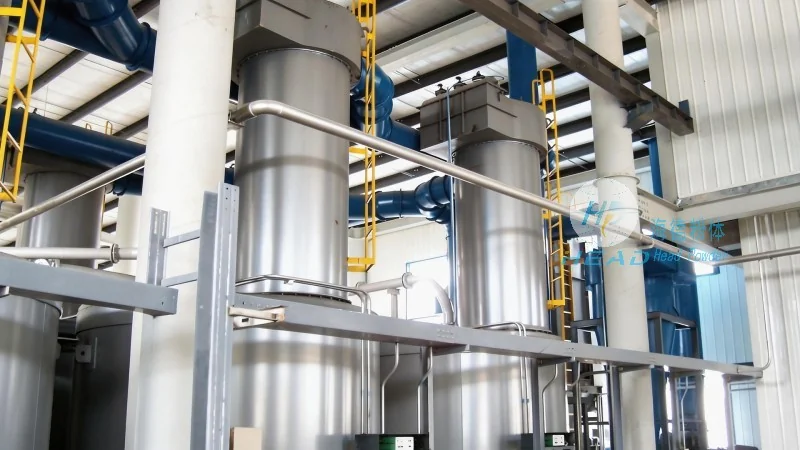
Understanding Micropowder Pneumatic Conveying
Pneumatic conveying uses pressurized air or suction to move powders through a pipeline. This method is particularly suitable for micropowders because it minimizes direct contact with external elements, preserving the powder's quality and preventing contamination. The process typically involves a hopper where the micropowder is stored, a feeder that controls the flow rate, a conveying line where the powder is transported, and a receiver where the material is deposited. The choice between pressure and vacuum systems depends on the application, with pressure systems generally used for long-distance or high-volume transport and vacuum systems for shorter distances or when the material needs to be drawn from a source.
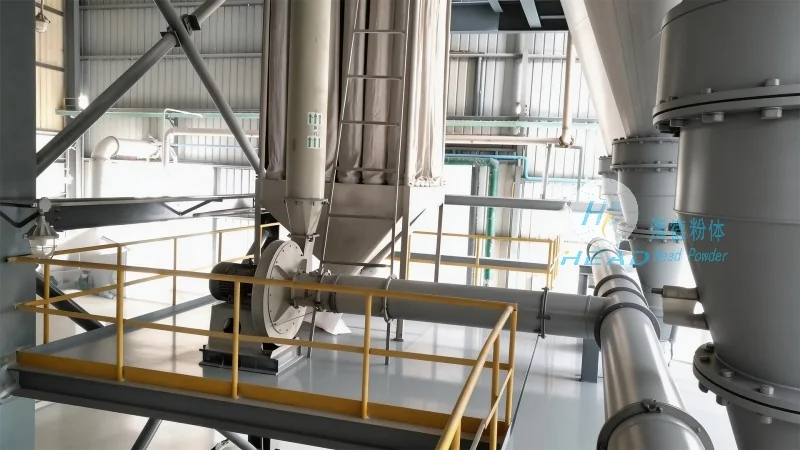
Key Advantages of Micropowder Pneumatic Conveying
One of the primary benefits of pneumatic conveying for micropowders is the enclosed system, which eliminates dust emissions and protects the environment. This is critical for industries where air quality regulations are stringent. Additionally, pneumatic systems can handle powders with varying moisture content and particle sizes without causing clogging or degradation. The flexibility of pneumatic conveying allows for integration with other processing equipment, such as mixers, classifiers, and packaging machines, creating a seamless production line. Another advantage is the ability to transport micropowders over long distances with minimal loss, making it ideal for large-scale operations.
Types of Micropowder Pneumatic Conveying Systems
There are several types of pneumatic conveying systems designed for micropowders, each with specific applications and performance characteristics. The most common types include pressure systems, vacuum systems, and hybrid systems. Pressure systems use positive pressure to push the powder through the pipeline, typically operating at pressures between 0.5 to 10 bar. These systems are suitable for high-capacity transport over distances up to several kilometers. Vacuum systems, on the other hand, use negative pressure to draw the powder from the source, often used for shorter distances or when the material needs to be collected from a dispersed source. Hybrid systems combine both pressure and vacuum components, allowing for more complex transport routes and higher efficiency in certain scenarios.
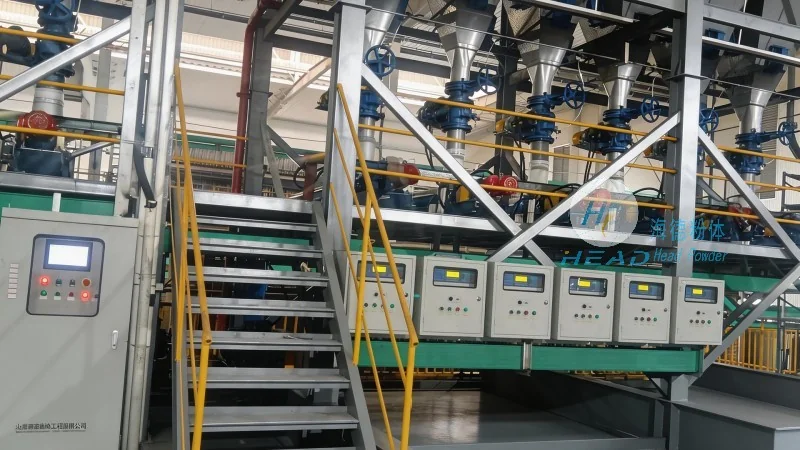
Application Examples in Industrial Settings
Micropowder pneumatic conveying is widely used in various industries, including pharmaceuticals, food processing, chemicals, and minerals. In the pharmaceutical industry, for example, pneumatic conveying is essential for transporting active pharmaceutical ingredients (APIs) and excipients with high purity requirements. The enclosed system prevents cross-contamination and ensures that the powders remain sterile, meeting stringent regulatory standards. In the food industry, pneumatic conveying is used to transport ingredients like sugar, flour, and spices, maintaining product freshness and preventing contamination from external sources. The chemical industry also relies on pneumatic conveying for handling fine powders such as pigments, catalysts, and reagents, where the system's ability to handle abrasive materials and prevent clogging is critical.
Considerations for Implementing Micropowder Pneumatic Conveying
While pneumatic conveying offers numerous benefits, there are several factors to consider when implementing a system for micropowders. The first is the material's properties, including particle size distribution, moisture content, and flowability. These characteristics affect the system's design, such as the type of feeder and the conveying line diameter. The second consideration is the distance and volume of transport, as these determine whether a pressure or vacuum system is more suitable. Additionally, the system's maintenance requirements and cost must be evaluated, as pneumatic conveying systems can be more complex and require regular cleaning to prevent powder buildup. Proper sizing of the air compressor or vacuum pump is also crucial to ensure efficient operation and avoid energy waste.
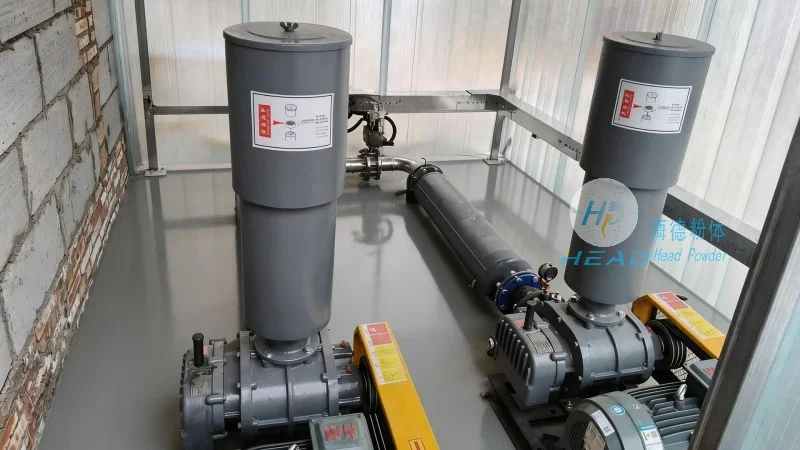
Conclusion
For industries dealing with micropowders, pneumatic conveying is a reliable and efficient method for transporting these fine materials. The enclosed system, combined with the ability to handle a wide range of powder characteristics, makes it an ideal choice for maintaining product quality and operational safety. Companies like Shandong HeadPowder Engineering Co., Ltd., based in China, specialize in designing and manufacturing customized pneumatic conveying systems tailored to the specific needs of their clients. With their expertise in micropowder handling, they provide solutions that enhance productivity, reduce costs, and ensure compliance with industry regulations. Whether for pharmaceutical, food, chemical, or mineral applications, pneumatic conveying offers a robust and flexible approach to micropowder transport, making it a cornerstone of modern industrial processes.

 Shandong Headpowder Engineering Co., Ltd.
 156-6277-7102(Quản lý Trương)
  0531-83386006
  Thành phố Tế Nam, Tỉnh Sơn Đông, Trung Quốc
Điện thoại
WeChatTư vấn
Lên đầu