Với hơn 10 năm kinh nghiệm về vận chuyển khí nén, Headpowder Sơn Đông cung cấp hệ thống, thiết bị và quạt gió toàn chuỗi, đảm nhận các dự án kỹ thuật bột trọn gói trên toàn quốc.
When it comes to handling lithium-ion battery powders, selecting the right conveying method is crucial for ensuring efficiency, safety, and product integrity. As the demand for lithium-ion batteries grows across various industries, the need for reliable and effective powder handling solutions has become increasingly important. This article explores the different methods available for conveying lithium-ion battery powders, with a particular focus on the advantages and features of pneumatic conveying systems.
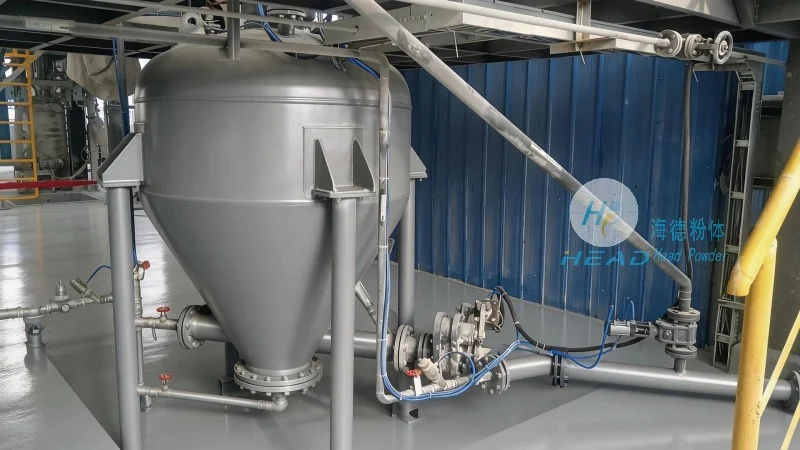
Understanding Lithium-Ion Battery Powders and Conveying Challenges
Lithium-ion battery powders, such as cathode materials (e.g., lithium cobalt oxide, lithium nickel manganese cobalt oxide) and anode materials (e.g., graphite, silicon), are critical components in the battery manufacturing process. These powders are often fine, abrasive, and sensitive to moisture and contamination. Conveying these materials requires equipment that can handle their unique properties while maintaining a high level of accuracy and minimizing product degradation. Traditional methods like belt conveyors or screw conveyors may not be suitable due to the risk of material degradation, contamination, or inefficient handling of fine powders.
Common Conveying Methods for Lithium-Ion Battery Powders
Several methods are used to transport lithium-ion battery powders, each with its own set of advantages and limitations. The primary options include:
Gravity Conveying: This method relies on the natural flow of powders down inclined chutes. While simple and low-cost, it is limited to materials with sufficient flowability and is not suitable for fine or cohesive powders that may stick to the chute walls.
Belt Conveyors: Belt conveyors use a moving belt to transport powders horizontally or at a slight incline. They are widely used in many industries but can cause product degradation due to friction and impact, especially for sensitive powders like battery materials.
Screw Conveyors: Screw conveyors use a rotating screw to push powders along a tube or trough. They are effective for handling bulk materials but can generate heat and cause attrition, which may affect the quality of battery powders.
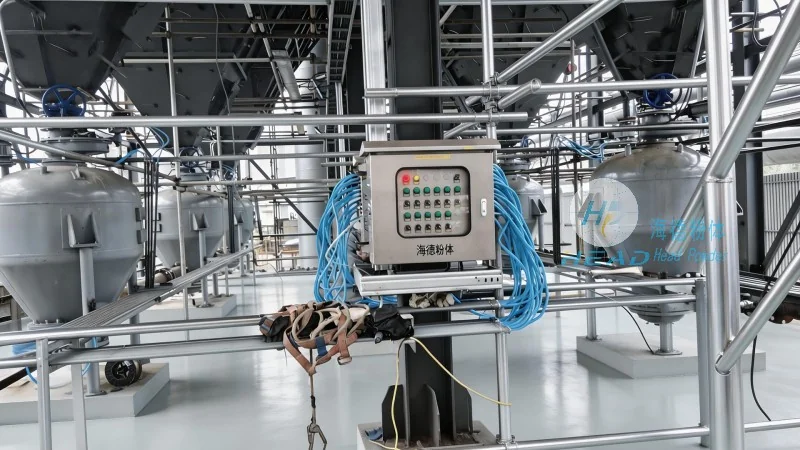
Pneumatic Conveying: The Preferred Solution for Lithium-Ion Battery Powders
Pneumatic conveying, also known as air conveying, is increasingly recognized as the optimal method for transporting lithium-ion battery powders. This technology uses compressed air to move powders through a pipeline system, offering several key advantages over traditional methods. The primary benefits include:
Minimal Product Degradation: Pneumatic systems operate with minimal mechanical contact, reducing the risk of attrition, friction, or impact that can degrade the quality of battery powders. This is particularly important for sensitive materials where particle size and surface properties must be preserved.
Contamination Control: Closed pipeline systems prevent exposure to external contaminants, such as moisture, dust, or foreign particles. This ensures that the battery powders remain clean and free from impurities, which is critical for maintaining the performance and lifespan of lithium-ion batteries.
Flexibility and Scalability: Pneumatic conveying systems can be easily configured to handle varying material volumes and flow rates. They can be integrated into existing production lines or expanded as production needs grow, providing a scalable solution for battery manufacturers.
Energy Efficiency: Modern pneumatic systems are designed to be energy-efficient, using compressed air only when needed and minimizing energy consumption compared to other bulk handling methods.
Reduced Downtime and Maintenance: With fewer moving parts and a closed system, pneumatic conveyors require less maintenance and have lower downtime compared to mechanical conveyors. This translates to lower operational costs and increased productivity.
Key Features of Pneumatic Conveying Systems for Lithium-Ion Battery Powders
Shandong HeadPowder Engineering Co., Ltd., a leading provider of specialized powder handling solutions, offers advanced pneumatic conveying systems tailored to the unique needs of lithium-ion battery manufacturers. The company’s systems are designed with the following key features:
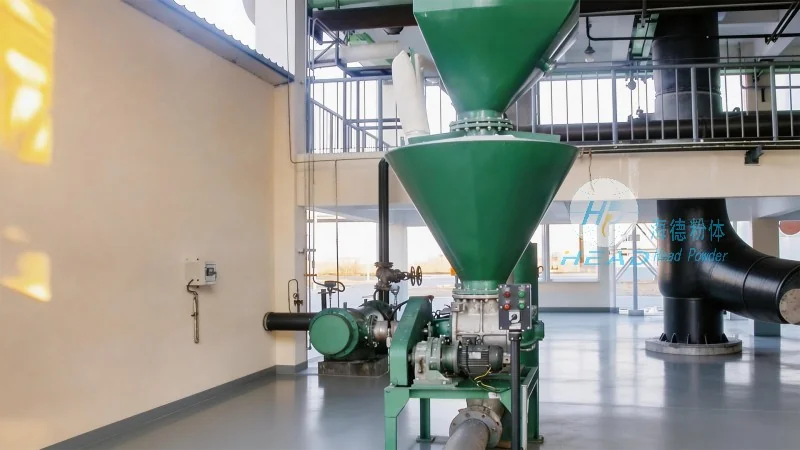
Customizable Pipeline Design: Systems can be configured with straight or curved pipelines to match the layout of production facilities, ensuring smooth and efficient material flow.
Advanced Air Control Systems: Precise control of air pressure and flow rate allows for accurate dosing and consistent material transport, minimizing variations in batch processing.
Material Compatibility: Components are made from materials that are resistant to corrosion and wear, ensuring long-term reliability when handling abrasive battery powders.
Integrated Dust Collection: Many systems include integrated dust collection units to capture and filter fine particles, maintaining a clean and safe working environment.
Conclusion: Choosing the Right Conveying Solution for Lithium-Ion Battery Powders
For lithium-ion battery manufacturers, selecting the right conveying method is essential for maintaining product quality, efficiency, and safety. While traditional methods like belt or screw conveyors may be suitable for some applications, pneumatic conveying offers superior performance and reliability for handling fine, sensitive battery powders. Shandong HeadPowder Engineering Co., Ltd. provides advanced pneumatic conveying solutions that address the unique challenges of lithium-ion battery powder handling, ensuring that manufacturers can achieve optimal performance and productivity in their production processes.

 Shandong Headpowder Engineering Co., Ltd.
 156-6277-7102(Quản lý Trương)
  0531-83386006
  Thành phố Tế Nam, Tỉnh Sơn Đông, Trung Quốc
Điện thoại
WeChatTư vấn
Lên đầu