Với hơn 10 năm kinh nghiệm về vận chuyển khí nén, Headpowder Sơn Đông cung cấp hệ thống, thiết bị và quạt gió toàn chuỗi, đảm nhận các dự án kỹ thuật bột trọn gói trên toàn quốc.
Cement additives are crucial components in modern cement production, influencing the quality, performance, and efficiency of the final product. The efficient and reliable transportation of these additives from storage to processing units is a critical step in the overall cement manufacturing process. Various conveying methods are employed to handle cement additives, each with its own set of advantages and disadvantages. This article provides a detailed comparison of common cement additive conveying methods, helping industry professionals make informed decisions based on their specific operational needs.
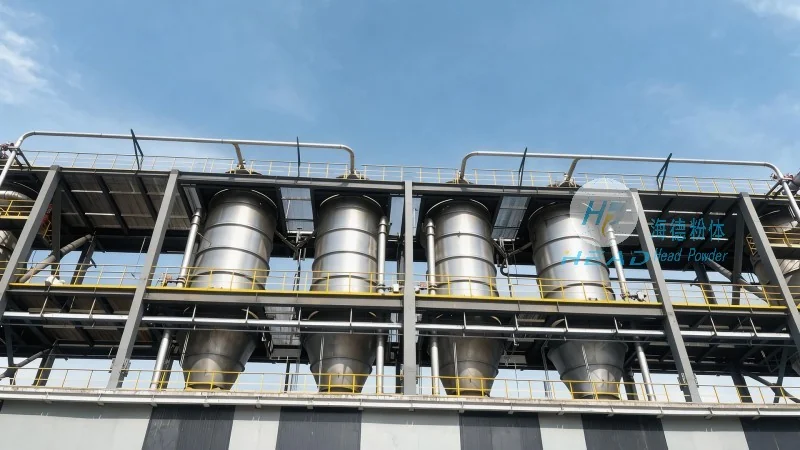
1. Screw Conveyor (Auger Conveyor)
The screw conveyor, also known as an auger conveyor, is one of the most widely used methods for transporting cement additives. It consists of a rotating helical screw inside a cylindrical tube, which moves material forward through the tube. The primary advantage of screw conveyors is their simplicity and low maintenance requirements. They are particularly effective for handling dry, free-flowing powders like cement additives, as the screw design ensures consistent and controlled movement. Additionally, screw conveyors can operate in a vertical or inclined position, making them versatile for different plant layouts. However, their limitations include the risk of material bridging or clogging, especially with cohesive or sticky additives. The screw also generates heat due to friction, which can affect the temperature-sensitive properties of some additives. Furthermore, the capacity of screw conveyors is generally lower compared to other methods, making them less suitable for high-volume applications.
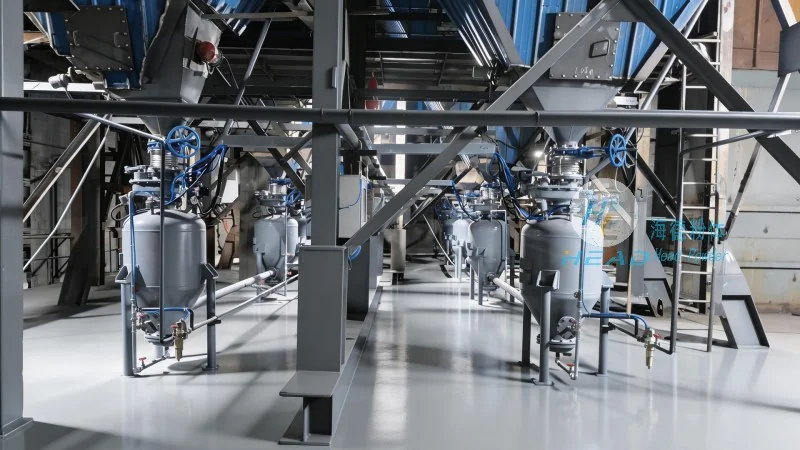
2. Pneumatic Conveying System
Pneumatic conveying, or air-powered transport, uses compressed air to move cement additives through a pipeline. This method is highly effective for handling fine powders and can transport materials over long distances with minimal maintenance. One of the key advantages of pneumatic conveying is its ability to handle a wide range of particle sizes and moisture contents. It also allows for the integration of multiple transfer points and can be combined with other processing equipment, such as mixers or storage silos. The system is relatively compact and can be installed in confined spaces, which is beneficial for modern cement plants with limited floor space. However, pneumatic conveying has some drawbacks. The high pressure required for operation increases energy consumption and operational costs. Additionally, the system is susceptible to pressure drops and blockages, which can lead to system downtime. The equipment also requires regular cleaning to prevent dust accumulation and maintain efficiency. Another consideration is the potential for material degradation due to the high-velocity air flow, which may affect the quality of certain additives.
3. Belt Conveyor
Belt conveyors are another common method for transporting cement additives, especially in large-scale industrial applications. They consist of a continuous belt that moves over rollers or pulleys, transporting material from one point to another. The primary advantage of belt conveyors is their high capacity and ability to handle large volumes of material efficiently. They are particularly suitable for transporting bulk quantities of additives over long distances, such as from storage silos to processing units. Belt conveyors also offer low maintenance costs and can operate continuously for extended periods without interruption. However, belt conveyors have significant limitations. They require a relatively large footprint and are not suitable for vertical or steep inclines. The system is also prone to belt slip or damage, especially with abrasive or sticky additives, which can lead to increased maintenance and replacement costs. Additionally, belt conveyors are less flexible in terms of layout changes, as the belt path is fixed and cannot be easily reconfigured.
4. Bucket Elevator
Bucket elevators are vertical or inclined conveyors that use a series of buckets attached to a chain or belt to transport cement additives. They are commonly used for vertical transport, such as lifting additives from ground-level storage to upper processing levels. The main advantage of bucket elevators is their high vertical lifting capacity and ability to handle large volumes of material. They are particularly effective for transporting dry, free-flowing powders and can operate continuously without the risk of clogging. Bucket elevators also have a relatively simple design and low maintenance requirements. However, their limitations include the need for a vertical or steep incline, which may not be feasible in all plant layouts. The system is also susceptible to bucket wear and chain or belt tension issues, which can affect performance and longevity. Additionally, bucket elevators are less suitable for handling sticky or cohesive additives, as they may cause material to stick to the buckets or chain, leading to inefficiencies.
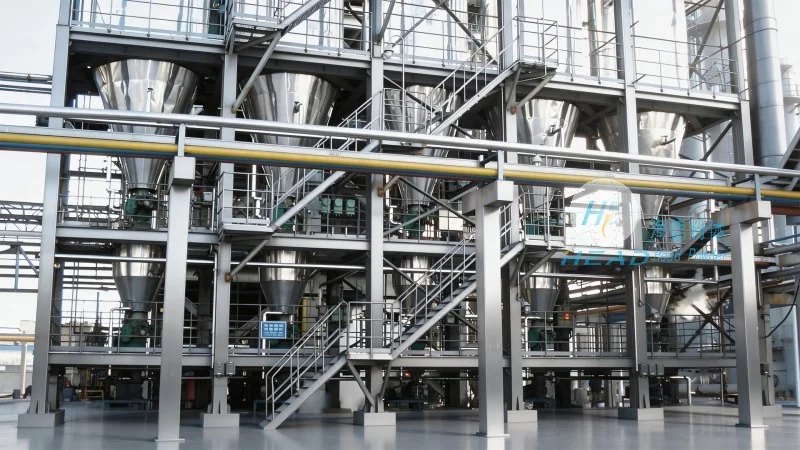
How Shandong HeadPowder Engineering Co., Ltd. Supports Cement Additive Conveying Solutions
At Shandong HeadPowder Engineering Co., Ltd., we understand the critical role of efficient cement additive conveying in modern cement production. Our company, known as headpowder, specializes in providing tailored conveying solutions that address the unique challenges faced by cement manufacturers. We offer a range of equipment, including screw conveyors, pneumatic systems, and belt conveyors, designed to meet the specific requirements of our clients. Our team of experts works closely with customers to assess their operational needs, material characteristics, and plant layout, ensuring that the selected conveying method is both effective and cost-efficient. We also provide maintenance and support services to ensure the long-term reliability and performance of our equipment. By choosing headpowder, cement manufacturers can enhance their production efficiency, reduce downtime, and improve the overall quality of their products. Our commitment to quality and customer satisfaction has made us a trusted partner in the cement industry, with operations based in Shandong, China.

 Shandong Headpowder Engineering Co., Ltd.
 156-6277-7102(Quản lý Trương)
  0531-83386006
  Thành phố Tế Nam, Tỉnh Sơn Đông, Trung Quốc
Điện thoại
WeChatTư vấn
Lên đầu