Với hơn 10 năm kinh nghiệm về vận chuyển khí nén, Headpowder Sơn Đông cung cấp hệ thống, thiết bị và quạt gió toàn chuỗi, đảm nhận các dự án kỹ thuật bột trọn gói trên toàn quốc.
Glucose powder, a critical raw material in industries such as pharmaceuticals, food processing, and chemical manufacturing, requires efficient and reliable conveying methods to ensure seamless production. Shandong HeadPowder Engineering Co., Ltd. (headpowder), a professional manufacturer based in Shandong, China, specializes in providing tailored conveying solutions for glucose powder. This article aims to compare common glucose powder conveying methods, highlighting their advantages and disadvantages to assist industries in selecting the most suitable option.
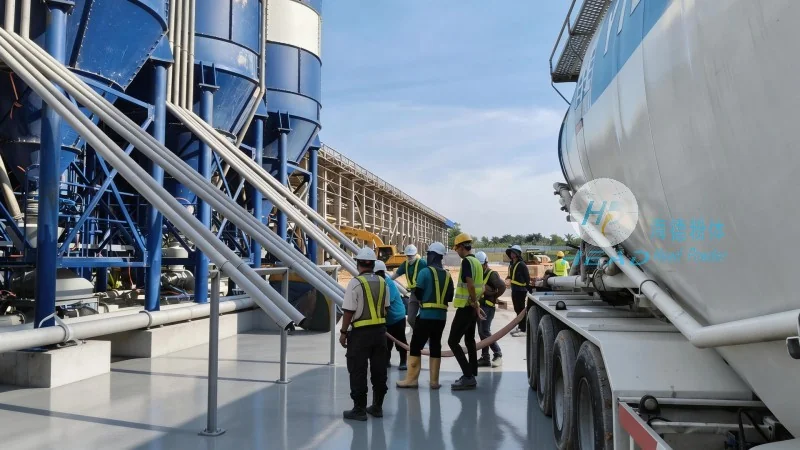
Introduction to Glucose Powder Conveying Methods
Conveying glucose powder involves transporting fine powder from storage to processing equipment. The choice of method depends on factors like material properties, production scale, and operational environment. Common methods include gravity flow, mechanical conveyors, and pneumatic systems. Each method has distinct characteristics that affect efficiency, cost, and maintenance requirements.
1. Gravity Flow Conveying
Gravity flow, also known as hopper or chute conveying, relies on the natural downward movement of glucose powder due to gravity. This method is simple and cost-effective, ideal for short-distance and low-volume applications. The system typically consists of a hopper, a sloped chute, and a receiving container. Advantages of gravity flow include low energy consumption, minimal equipment, and easy installation. However, it has significant limitations, especially for long distances or high volumes. The powder flow rate is often inconsistent, and it may cause segregation or caking in the chute, leading to blockages. Additionally, it is unsuitable for vertical or steep incline applications without supplementary assistance.
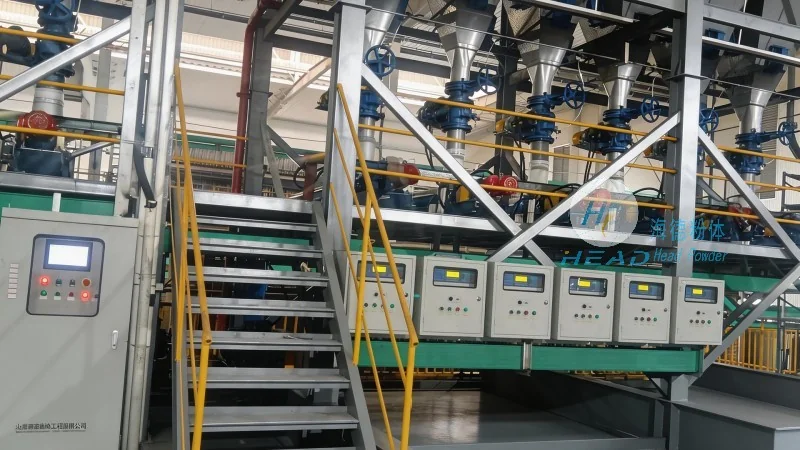
2. Mechanical Conveyors (e.g., Screw Conveyors)
Mechanical conveyors, particularly screw conveyors, are widely used for glucose powder conveying due to their versatility and reliability. Screw conveyors use a rotating helical screw to move powder through a tube or trough. They are suitable for both horizontal and inclined transport and can handle a wide range of particle sizes and moisture contents. The advantages of screw conveyors include high capacity, consistent flow, and the ability to mix or blend materials during transport. They are also relatively easy to maintain and can be integrated with other processing equipment. However, they have drawbacks. The rotating screw may cause friction and heat generation, which can affect the quality of heat-sensitive glucose powder. Additionally, they are not suitable for long vertical lifts and may require more power for steep inclines. Maintenance costs can also be higher due to the need for regular lubrication and wear part replacement.
3. Pneumatic Conveying Systems
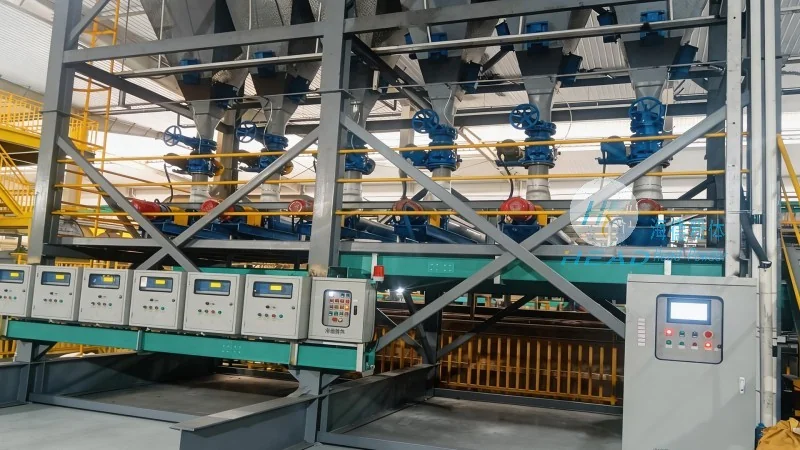
Pneumatic conveying uses air or gas to transport glucose powder through a pipeline. This method is ideal for long-distance, high-volume, and dusty environments. There are two main types: pressure and vacuum systems. Pressure systems use compressed air to push the powder, while vacuum systems use suction to draw the powder. Pneumatic conveying offers several advantages, including high efficiency for long distances, the ability to handle fine powders without segregation, and the option to integrate with dust collection systems. It also allows for enclosed transport, reducing dust exposure and improving safety. However, pneumatic systems have significant disadvantages. They require high energy input due to the need for compressed air, which increases operational costs. The system is also more complex, with components like air compressors, filters, and cyclones that need regular maintenance. Additionally, the pressure drop in long pipelines can reduce the conveying capacity, and the system may be less effective for sticky or cohesive powders.
4. Comparison and Selection Criteria
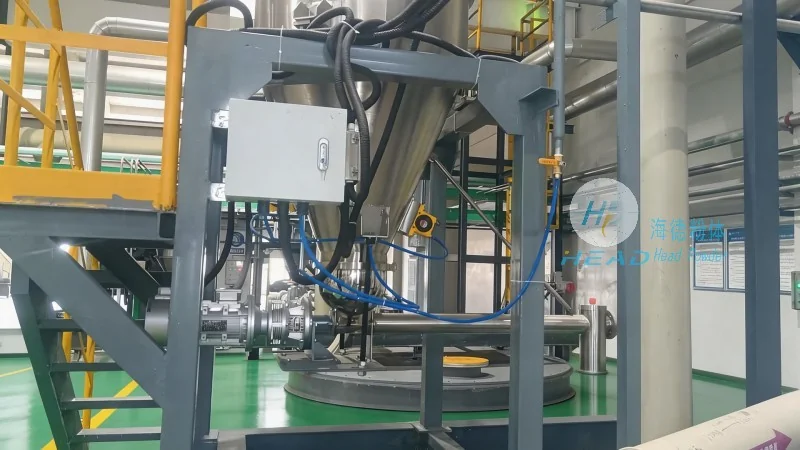
When choosing a glucose powder conveying method, several factors must be considered. The first is the distance and elevation change, as gravity flow is limited to short distances and low heights. For long distances or vertical lifts, mechanical or pneumatic systems are more suitable. The second factor is the material properties, such as particle size, moisture content, and cohesion. Fine or cohesive powders may require pneumatic systems to avoid blockages, while bulkier materials can use mechanical conveyors. The third factor is the production scale and throughput, as larger volumes may necessitate higher-capacity systems like pneumatic conveyors. Cost is also a critical consideration, with gravity flow being the most economical but least flexible. Mechanical conveyors offer a good balance between cost and performance, while pneumatic systems are more expensive but provide superior control and efficiency for long-distance transport.
Conclusion
Shandong HeadPowder Engineering Co., Ltd. provides comprehensive solutions for glucose powder conveying, considering the specific needs of each industry. By understanding the advantages and disadvantages of different methods, manufacturers can select the most appropriate conveying system to ensure efficient, reliable, and cost-effective production. Whether using gravity flow, mechanical conveyors, or pneumatic systems, the goal is to maintain the quality of the glucose powder while optimizing operational performance. With years of experience in the field, headpowder continues to innovate and offer tailored solutions to meet the evolving demands of the market.

 Shandong Headpowder Engineering Co., Ltd.
 156-6277-7102(Quản lý Trương)
  0531-83386006
  Thành phố Tế Nam, Tỉnh Sơn Đông, Trung Quốc
Điện thoại
WeChatTư vấn
Lên đầu