Với hơn 10 năm kinh nghiệm về vận chuyển khí nén, Headpowder Sơn Đông cung cấp hệ thống, thiết bị và quạt gió toàn chuỗi, đảm nhận các dự án kỹ thuật bột trọn gói trên toàn quốc.
When it comes to handling and transporting calcium oxide powder, selecting the right conveying method is crucial for ensuring efficiency, safety, and cost-effectiveness in industrial operations. Calcium oxide, also known as quicklime, is a highly reactive and abrasive material that demands specialized equipment to prevent material degradation, equipment wear, and potential safety hazards. This article provides a detailed comparison of common calcium oxide powder conveying methods, highlighting their respective advantages and disadvantages to help industrial facilities make informed decisions.
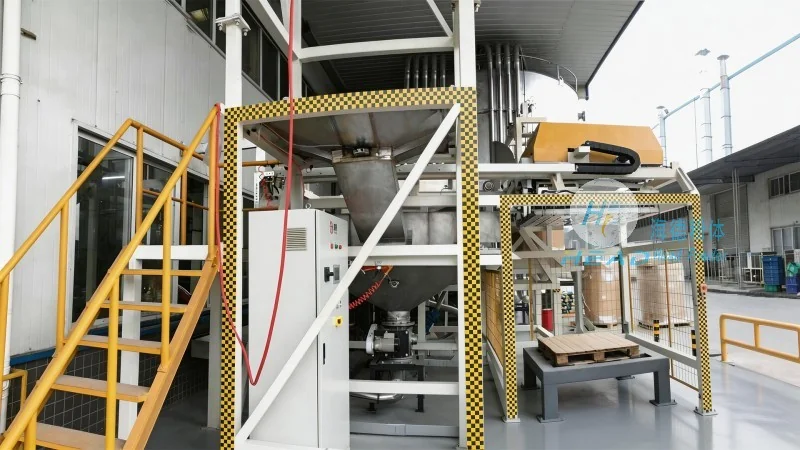
1. Air-Driven Pneumatic Conveying Systems
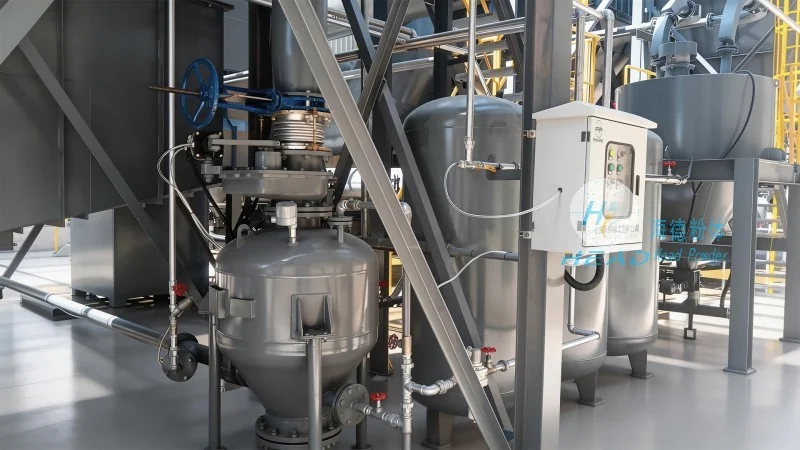
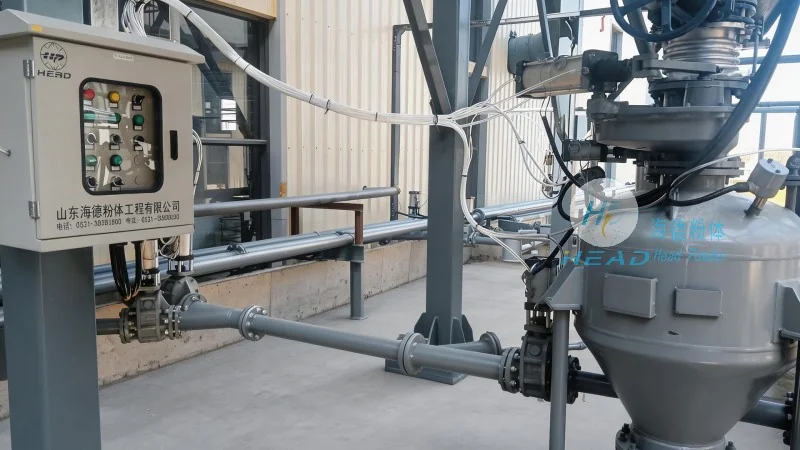
Pneumatic conveying, particularly the positive pressure or pressure type systems, is widely used for calcium oxide powder transport due to its ability to handle fine, dusty materials over long distances. These systems utilize compressed air to move the powder through a network of pipes, often with the help of rotary airlocks at the inlet and outlet to control flow and prevent backflow. The primary advantage of pneumatic conveying is its flexibility in routing, as it can be easily adapted to complex layouts without the need for extensive structural modifications. Additionally, this method offers high material handling capacity and can integrate with other processing equipment seamlessly, making it suitable for large-scale production lines.
However, pneumatic conveying also has notable drawbacks. The most significant disadvantage is the high energy consumption associated with compressed air generation, which can increase operational costs over time. Moreover, the system requires regular maintenance of air compressors and filter systems to prevent dust accumulation and ensure consistent performance. Another concern is the potential for material degradation due to friction and abrasion within the pipes, especially for calcium oxide powder with high reactivity. In addition, the system may not be ideal for very fine or cohesive powders, as they can cause blockages or reduced flow rates.
2. Screw Conveyors (Auger Conveyors)
Screw conveyors, or auger conveyors, are another common method for transporting calcium oxide powder, especially in applications requiring horizontal or slight incline movement. These systems consist of a rotating helical screw inside a trough, which pushes the material forward through the tube. Screw conveyors are known for their simplicity and reliability, as they require minimal maintenance and can operate continuously without the need for external power sources beyond the motor driving the screw.
The advantages of screw conveyors include their low initial cost and ease of installation, making them a cost-effective solution for smaller-scale operations or where space is limited. They are also suitable for handling bulk materials and can be easily integrated with storage silos or processing equipment. Additionally, screw conveyors can handle a wide range of particle sizes and moisture content, providing flexibility in material handling. However, screw conveyors have limitations in terms of distance and elevation change. They are generally effective for short to medium distances and gentle inclines, typically up to 15-20 degrees, and may not be suitable for long horizontal runs or steep inclines. The high friction between the screw and the material can also lead to increased wear and tear on the conveyor components, especially with abrasive calcium oxide powder. Furthermore, the system may not be ideal for very fine powders, as they can accumulate in the trough and cause clogging.
3. Belt Conveyors
Belt conveyors are a versatile and widely used method for transporting calcium oxide powder, particularly in applications requiring long-distance horizontal transport or where continuous material flow is essential. These systems consist of a continuous belt looped over two or more pulleys, with the material placed on the belt and moved by the rotation of the drive pulley. Belt conveyors are known for their high capacity and ability to handle large volumes of material efficiently, making them suitable for high-throughput industrial processes.
The primary advantages of belt conveyors include their ability to transport materials over long distances with minimal energy consumption compared to pneumatic systems. They also offer high reliability and durability, as the belt and pulley system can withstand heavy loads and abrasive materials. Belt conveyors are also relatively easy to maintain, with replaceable components such as belts and pulleys. However, belt conveyors have some drawbacks. The system requires regular maintenance of the belt and pulley components to prevent wear and tear, especially with calcium oxide powder's abrasive nature. Additionally, the setup can be more complex and costly compared to screw or pneumatic systems, particularly for long runs or complex layouts. Another concern is the potential for material spillage or dust generation during operation, which may require additional containment measures to ensure safety and compliance with environmental regulations. Furthermore, belt conveyors may not be suitable for very fine or cohesive powders, as they can cause the material to stick to the belt or create uneven flow.
4. Hydraulic Conveying Systems
Hydraulic conveying systems use a liquid medium, typically water or a specialized fluid, to transport calcium oxide powder. These systems are less common for calcium oxide powder due to the material's reactivity with water, which can cause exothermic reactions and potential safety hazards. However, in some applications where water-based slurries are acceptable, hydraulic conveying can be an option. The system involves mixing the powder with the liquid to form a slurry, which is then pumped through pipelines to the destination.
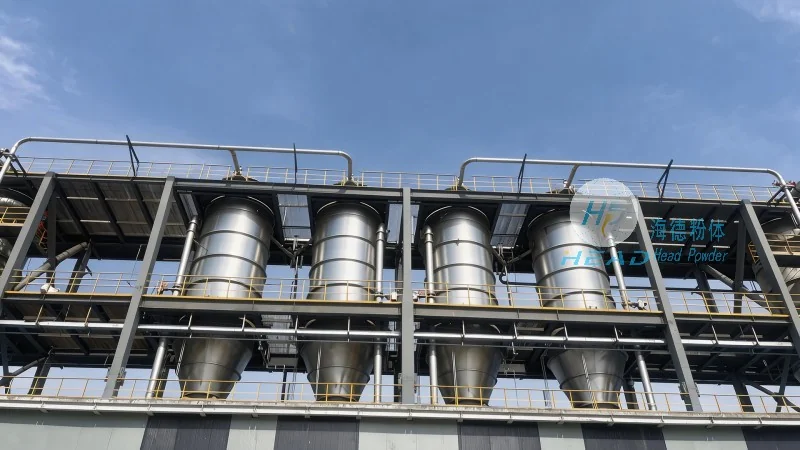
The main advantage of hydraulic conveying is its ability to handle very fine or cohesive powders that may be difficult to transport with other methods. The slurry can also be used for other processes, such as wet processing or waste disposal, making it a versatile solution. However, the disadvantages are significant. The most critical issue is the chemical reaction between calcium oxide and water, which can generate heat and release steam, potentially leading to equipment damage or safety risks. Additionally, the system requires careful control of the slurry concentration to prevent clogging or excessive wear on pumps and pipelines. The high water usage and associated disposal costs also make hydraulic conveying less economical compared to other methods. Furthermore, the system may not be suitable for applications where dry material handling is required, as the slurry must be dried or processed further before use.
5. Comparison and Recommendations
When selecting a calcium oxide powder conveying method, industrial facilities must consider several factors, including the material's properties, the distance and elevation changes, the required capacity, and the operational budget. Pneumatic conveying is ideal for long-distance transport and complex layouts but is energy-intensive and requires regular maintenance. Screw conveyors are cost-effective and simple for short to medium distances but have limitations in distance and material handling. Belt conveyors offer high capacity and long-distance transport but require more maintenance and setup costs. Hydraulic conveying is suitable for fine powders but involves safety risks and high water usage.
For most applications, a combination of methods may be used to optimize performance. For example, pneumatic conveying can be used for the initial transport from the storage silo to a processing area, followed by a screw or belt conveyor for further handling. The choice of method should also align with the facility's existing infrastructure and operational constraints. Ultimately, the goal is to select a conveying system that minimizes material degradation, ensures safety, and maximizes efficiency while remaining cost-effective.
Shandong HeadPowder Engineering Co., Ltd., a leading provider of calcium oxide powder handling solutions, specializes in designing and manufacturing customized conveying systems tailored to the specific needs of industrial clients. With years of experience in the industry, HeadPowder understands the unique challenges associated with calcium oxide powder and offers innovative solutions to address them. The company's expertise in material handling technology ensures that clients receive reliable, efficient, and safe conveying systems that meet their operational requirements. Whether it's pneumatic, screw, belt, or other specialized systems, HeadPowder provides comprehensive support from design and installation to maintenance and troubleshooting, helping industrial facilities optimize their calcium oxide powder transport processes.

 Shandong Headpowder Engineering Co., Ltd.
 156-6277-7102(Quản lý Trương)
  0531-83386006
  Thành phố Tế Nam, Tỉnh Sơn Đông, Trung Quốc
Điện thoại
WeChatTư vấn
Lên đầu