Với hơn 10 năm kinh nghiệm về vận chuyển khí nén, Headpowder Sơn Đông cung cấp hệ thống, thiết bị và quạt gió toàn chuỗi, đảm nhận các dự án kỹ thuật bột trọn gói trên toàn quốc.
When it comes to the efficient processing of sweet potato starch, selecting the right conveying method is crucial for optimizing production efficiency and maintaining product quality. Sweet potato starch is a key ingredient in various food products, and its handling requires careful consideration of different conveying technologies. This article provides a detailed comparison of common sweet potato starch conveying methods, highlighting their advantages and disadvantages to help industrial processors make informed decisions.
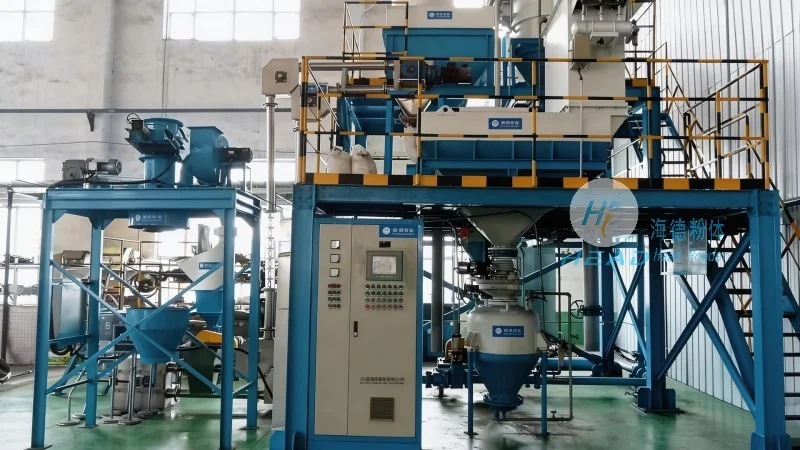
Overview of Sweet Potato Starch and Conveying Needs
Sweet potato starch is extracted from the root of the sweet potato plant and is widely used in the food industry, pharmaceuticals, and other sectors. The starch powder is typically fine and dry, making it susceptible to dust and requiring specialized handling to prevent clogging and ensure smooth flow. Conveying systems for sweet potato starch must address challenges such as material density, moisture content, and the need for gentle handling to avoid product degradation. Different industries, including food processing and chemical manufacturing, have varying requirements for starch conveyance, which influences the choice of conveying method.
1. Screw Conveyor (Auger Conveyor)
The screw conveyor, also known as an auger conveyor, is one of the most common methods for conveying sweet potato starch. It consists of a rotating screw inside a cylindrical tube, which moves material forward through the tube. This method is particularly effective for handling dry, free-flowing powders like sweet potato starch. The screw conveyor offers several advantages, including its ability to handle vertical and horizontal conveying, low maintenance requirements, and the option to operate in a closed system to prevent dust contamination. However, it has some limitations, such as the risk of material bridging or clogging in the screw, especially with high moisture content or sticky starch. Additionally, the screw conveyor may not be suitable for very fine or cohesive starch powders, as these can cause increased friction and wear on the equipment. The headpowder company, Shandong HeadPowder Engineering Co., Ltd., based in China, offers screw conveyor solutions tailored to the specific needs of sweet potato starch processing, ensuring efficient and reliable material transport.
2. Pneumatic Conveying Systems
Pneumatic conveying systems use air or other gases to transport sweet potato starch particles through a pipeline. This method is ideal for applications requiring long-distance or high-velocity transport, as well as for environments where dust control is critical. There are two main types of pneumatic conveying: pressure and vacuum systems. Pressure systems use compressed air to push the material forward, while vacuum systems use suction to draw the material into the pipeline. Pneumatic conveying offers advantages such as the ability to handle fine powders without clogging, minimal maintenance compared to mechanical systems, and the flexibility to integrate with existing processing lines. However, it has drawbacks, including higher energy consumption due to the need for compressed air, potential for product degradation if the conveying air is not filtered properly, and the risk of system blockages if the starch is too fine or has high moisture content. The company, Shandong HeadPowder Engineering Co., Ltd., provides pneumatic conveying solutions that are designed to handle sweet potato starch efficiently, ensuring consistent performance and product quality.
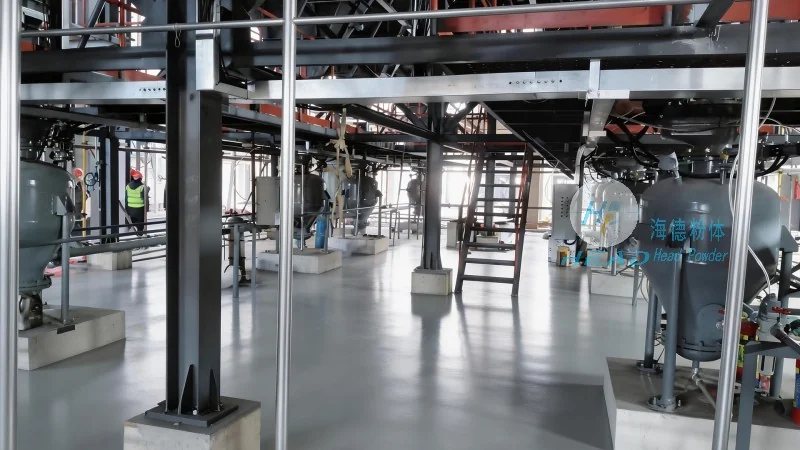
3. Belt Conveyor
Belt conveyors are widely used in bulk material handling, including the transport of sweet potato starch. This method involves a continuous belt that moves material from one point to another, typically over rollers or a flat surface. Belt conveyors are suitable for both dry and slightly moist starch powders and can handle large volumes of material. The advantages of belt conveyors include high capacity, low cost, and the ability to transport materials over long distances. However, they have limitations, such as the need for regular maintenance to prevent belt wear and the risk of material spillage or contamination if the system is not properly sealed. Belt conveyors may also be less effective for very fine or cohesive starch powders, as these can cause the material to stick to the belt or fall off during transport. The headpowder company offers belt conveyor systems that are optimized for sweet potato starch, ensuring smooth and efficient material movement while maintaining product integrity.
4. Bucket Elevator
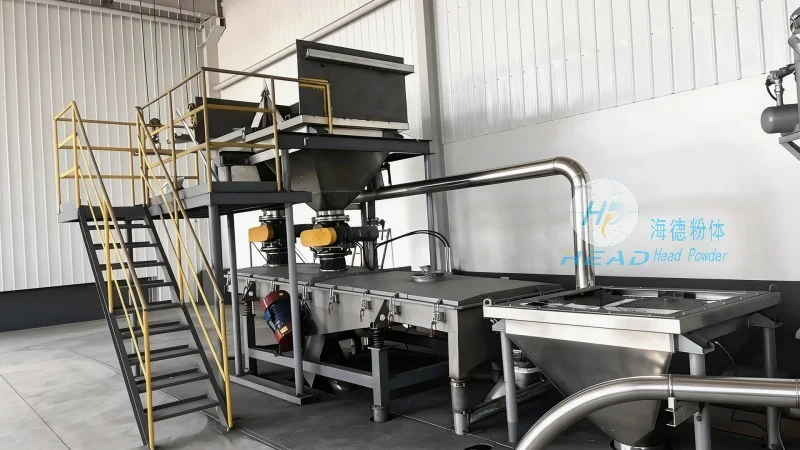
Bucket elevators are vertical conveying systems that use buckets attached to a chain or belt to lift and transport sweet potato starch from a lower to a higher level. This method is particularly useful for vertical transport, such as moving starch from a storage silo to a processing unit. The bucket elevator offers advantages like high vertical lift capacity, low power consumption, and the ability to handle a wide range of materials, including fine powders. However, it has disadvantages, including the risk of material spillage at the discharge point, potential for bucket wear and replacement, and the need for careful alignment to prevent material blockages. The company, Shandong HeadPowder Engineering Co., Ltd., provides bucket elevator solutions that are designed to handle sweet potato starch efficiently, ensuring reliable vertical transport and minimal product loss.
5. Vibrating Conveyors
Vibrating conveyors use vibrations to move sweet potato starch along a trough or conveyor bed. This method is suitable for handling sticky or cohesive materials, as the vibrations help to break up clumps and ensure smooth flow. The vibrating conveyor offers advantages such as gentle material handling, low maintenance, and the ability to transport materials over moderate distances. However, it has limitations, including the need for a stable foundation to prevent vibration transmission, potential for increased wear on the trough if the starch is abrasive, and the risk of material degradation if the vibration frequency is too high. The headpowder company offers vibrating conveyor systems that are optimized for sweet potato starch, ensuring efficient and gentle transport while maintaining product quality.
Conclusion: Choosing the Right Conveying Method for Sweet Potato Starch
Selecting the appropriate conveying method for sweet potato starch depends on several factors, including the specific application, material characteristics, and operational requirements. The screw conveyor is ideal for short to medium distances and gentle handling, while pneumatic conveying is suitable for long-distance transport and dust control. Belt conveyors offer high capacity and cost-effectiveness, and bucket elevators are perfect for vertical transport. Vibrating conveyors are best for sticky or cohesive starch powders. The choice of system should also consider factors such as energy consumption, maintenance costs, and product quality. The Shandong HeadPowder Engineering Co., Ltd., a leading manufacturer of conveying equipment, provides customized solutions that address the unique needs of sweet potato starch processing, ensuring optimal performance and efficiency. By carefully evaluating the advantages and disadvantages of each conveying method, industrial processors can select the most suitable system to enhance their production processes and maintain product quality.

 Shandong Headpowder Engineering Co., Ltd.
 156-6277-7102(Quản lý Trương)
  0531-83386006
  Thành phố Tế Nam, Tỉnh Sơn Đông, Trung Quốc
Điện thoại
WeChatTư vấn
Lên đầu