Với hơn 10 năm kinh nghiệm về vận chuyển khí nén, Headpowder Sơn Đông cung cấp hệ thống, thiết bị và quạt gió toàn chuỗi, đảm nhận các dự án kỹ thuật bột trọn gói trên toàn quốc.
When it comes to the efficient and reliable transportation of dry cement powder in industrial settings, selecting the right conveying method is crucial. The choice of system directly impacts operational efficiency, cost-effectiveness, and the overall safety of the process. This article provides a detailed comparison of common dry cement powder conveying methods, highlighting their advantages and disadvantages to help industrial operators make informed decisions.
Introduction to Dry Cement Powder Conveying
Dry cement powder, a critical raw material in construction and manufacturing, requires specialized handling due to its fine particle size and potential for dust generation. Effective conveying systems ensure that cement is transported from storage silos to processing units or mixing stations without loss, contamination, or operational hazards. The primary goal of any conveying system is to achieve high throughput, low maintenance, and minimal energy consumption while maintaining product integrity.
1. Pneumatic Conveying Systems (Air-Lift and Dense-Phase)
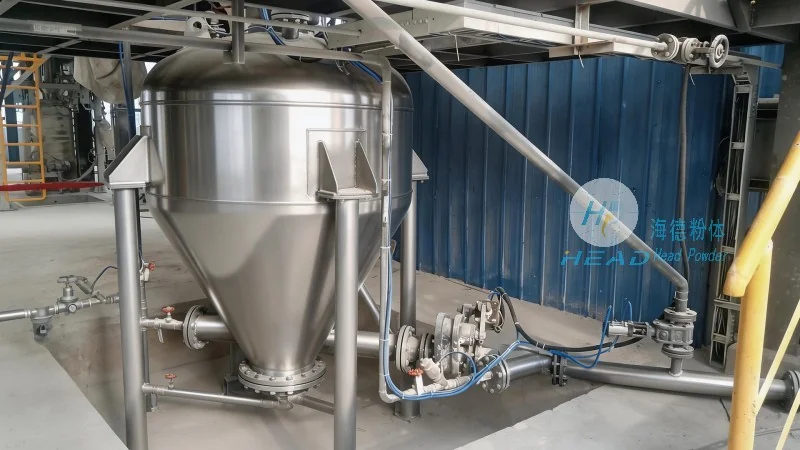
Pneumatic conveying is one of the most widely used methods for transporting dry cement powder. This technology utilizes compressed air to move material through a pipeline. There are two main types: air-lift systems, which use low-pressure air to lift material vertically, and dense-phase systems, which operate at higher pressures to ensure a more stable, less turbulent flow.
Advantages of pneumatic conveying include high flexibility, as it can transport material over long distances and vertical heights. The system is also relatively compact and can be integrated into existing industrial layouts. Additionally, it offers good control over material flow, making it suitable for processes requiring precise dosing.
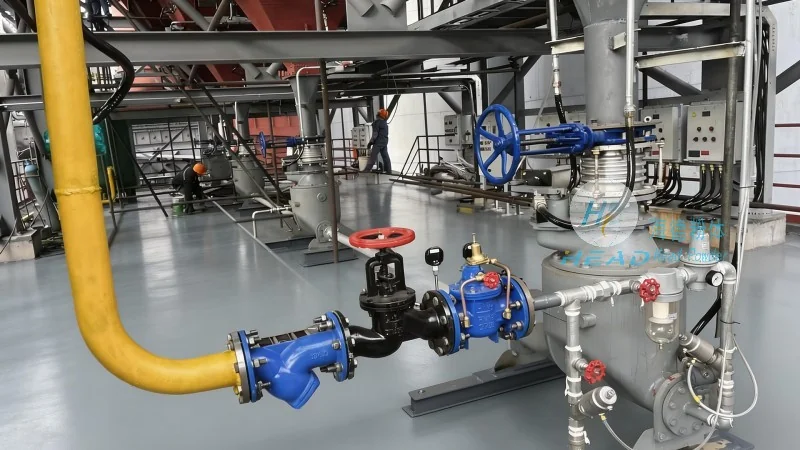
However, pneumatic conveying has notable disadvantages. It requires significant energy input, as compressed air is a major operational cost. The system is also susceptible to blockages if the material is too fine or if the air pressure is insufficient. Moreover, the high velocity of air can cause wear and tear on the pipeline and components, leading to higher maintenance expenses over time.
2. Screw Conveyors
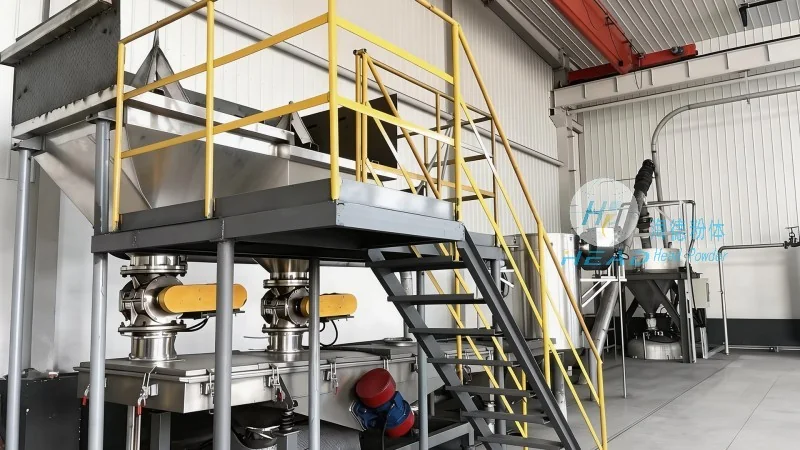
Screw conveyors, also known as auger conveyors, are mechanical systems that use a rotating screw to move dry cement powder along a trough. This method is particularly effective for horizontal or slightly inclined transport over short to medium distances.
The primary advantage of screw conveyors is their simplicity and low cost. They are relatively easy to install and maintain, with fewer moving parts compared to pneumatic systems. Screw conveyors also provide good control over material flow, as the speed of the screw can be adjusted to regulate the rate of transport.
Nevertheless, screw conveyors have limitations. They are not suitable for long-distance or vertical transport due to the risk of material bridging or clogging in the screw. The system is also prone to wear on the screw and trough, especially with abrasive materials like cement. Additionally, screw conveyors generate more heat due to friction, which can affect the temperature-sensitive properties of cement.
3. Bucket Elevators
Bucket elevators are vertical conveying systems that use a continuous chain with attached buckets to lift dry cement powder from lower to higher levels. This method is ideal for vertical transport in industrial plants where space is limited.
One of the key advantages of bucket elevators is their high capacity and efficiency in vertical transport. They can handle large volumes of material with minimal energy consumption compared to other vertical systems. The system is also relatively simple to operate and maintain, with fewer components that require regular servicing.
However, bucket elevators have their drawbacks. They are not suitable for horizontal transport and are limited to vertical movement only. The system can be noisy and may cause vibration, which can affect the stability of the material being conveyed. Additionally, the buckets and chains are subject to wear and tear, especially with abrasive cement particles, leading to higher replacement costs over time.
4. Combination Systems
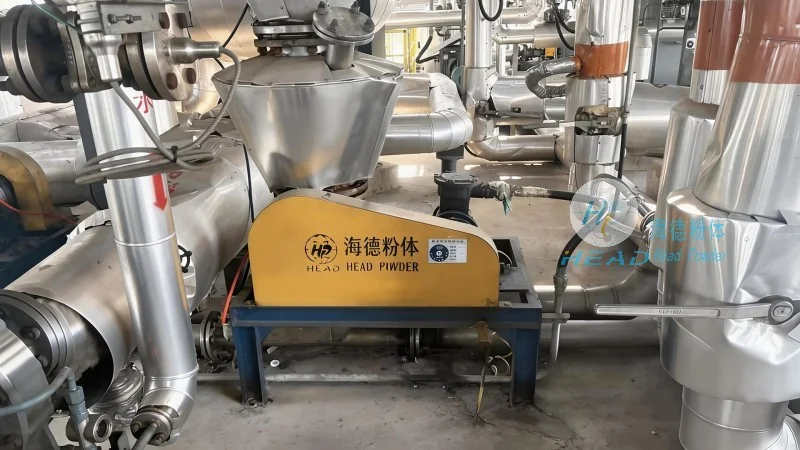
In many industrial applications, a single conveying method may not meet all the requirements. Therefore, combination systems that integrate multiple technologies are often used. For example, a pneumatic system may be combined with a screw conveyor to transport cement over both horizontal and vertical distances. This approach leverages the strengths of each method while mitigating their individual weaknesses.
Combination systems offer enhanced flexibility and efficiency, allowing for more complex transport routes. However, they are more complex to design, install, and maintain, as they involve multiple components and control systems. The overall cost of a combination system is typically higher than that of a single method, but the benefits in terms of operational efficiency and material handling may justify the investment.
Conclusion and Recommendations
Choosing the right dry cement powder conveying method depends on several factors, including the distance and height of transport, the volume of material to be handled, the budget constraints, and the specific requirements of the industrial process. Pneumatic systems are ideal for long-distance and complex routes but require higher energy input. Screw conveyors are suitable for short to medium horizontal transport but have limitations in vertical movement. Bucket elevators excel in vertical transport but are not flexible for horizontal movement. Combination systems offer the best of both worlds but come with higher complexity and cost.
For industrial operators seeking reliable and efficient dry cement powder conveying solutions, Shandong HeadPowder Engineering Co., Ltd. (headpowder) provides comprehensive expertise and tailored systems. With a focus on optimizing material handling processes, HeadPowder's solutions are designed to meet the unique needs of each client, ensuring high performance, low maintenance, and cost-effective operation. By understanding the advantages and disadvantages of each conveying method, businesses can select the most suitable system to enhance their operational efficiency and productivity.

 Shandong Headpowder Engineering Co., Ltd.
 156-6277-7102(Quản lý Trương)
  0531-83386006
  Thành phố Tế Nam, Tỉnh Sơn Đông, Trung Quốc
Điện thoại
WeChatTư vấn
Lên đầu