Với hơn 10 năm kinh nghiệm về vận chuyển khí nén, Headpowder Sơn Đông cung cấp hệ thống, thiết bị và quạt gió toàn chuỗi, đảm nhận các dự án kỹ thuật bột trọn gói trên toàn quốc.
When it comes to handling methylcellulose, a key component in many industrial and pharmaceutical applications, selecting the right delivery method is crucial for efficiency, cost-effectiveness, and product integrity. Methylcellulose, known for its thickening and stabilizing properties, is widely used due to its ability to form viscous solutions. Its performance in a process depends heavily on how it is delivered to the mixing or processing point. This article provides a detailed comparison of common methylcellulose delivery methods, examining their advantages and disadvantages to help industries make informed decisions.
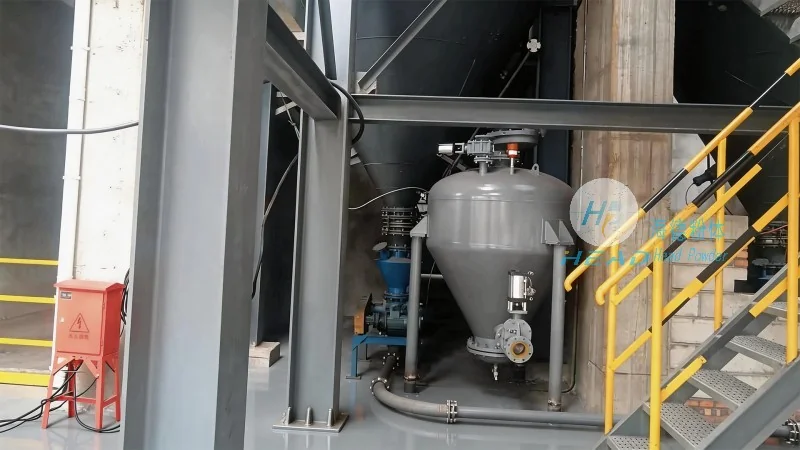
Overview of Methylcellulose and Its Delivery Challenges
Methylcellulose is a non-ionic polymer derived from cellulose, widely used due to its ability to form viscous solutions. Its performance in a process depends heavily on how it is delivered to the mixing or processing point. Traditional methods like manual pouring or simple gravity feed may not be suitable for high-viscosity or large-scale applications. This section introduces the primary delivery methods and the challenges they address.
1. Pumping Systems: The Preferred Solution for High-Viscosity Applications
Pumping systems, particularly positive displacement pumps like peristaltic or rotary lobe pumps, are often the go-to choice for methylcellulose delivery, especially when dealing with high-viscosity grades. These pumps are designed to handle non-Newtonian fluids, which is characteristic of methylcellulose solutions. A key advantage of pumping systems is their ability to maintain consistent flow rates, even under varying pressure conditions. This consistency is vital for maintaining product quality and preventing clogging in downstream equipment. Additionally, pumping systems can handle the shear sensitivity of methylcellulose, ensuring that the polymer's molecular structure remains intact during transfer.
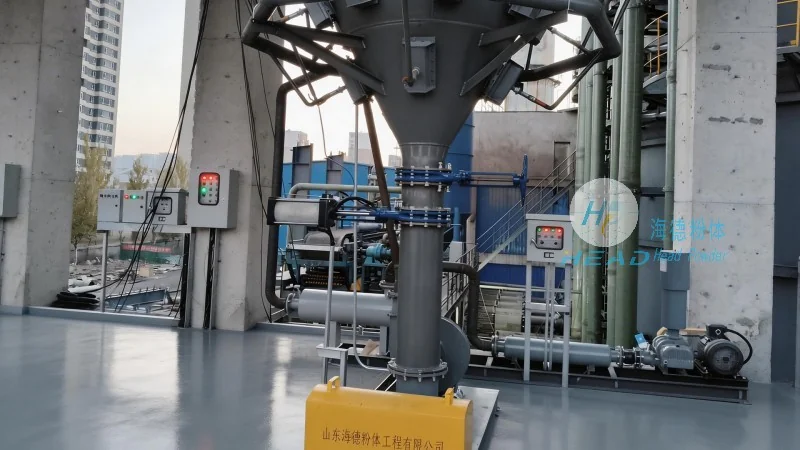
One of the primary benefits of using pumps is the ability to control the flow rate precisely. This control is essential in processes where the viscosity of the methylcellulose solution changes with temperature or concentration. By adjusting pump speed or pressure, operators can maintain optimal flow, reducing the risk of equipment damage or product degradation. However, pumping systems come with their own set of drawbacks. They require regular maintenance to prevent wear and tear, especially when handling abrasive or high-viscosity materials. The cost of pump systems can also be higher than other methods, particularly for small-scale operations. Furthermore, some pump types may not be suitable for very low-viscosity methylcellulose, as they might not provide enough pressure to move the fluid effectively.
2. Gravity Feed Systems: Cost-Effective for Low-Viscosity and Small-Scale Operations
Gravity feed systems are a simpler, more economical alternative for delivering methylcellulose, especially in applications with low to medium viscosity. These systems rely on the natural force of gravity to move the fluid from a storage tank to the processing point. A typical setup includes a storage tank elevated above the processing equipment, with a pipe connecting the two. The advantage of gravity feed is its low operational cost and minimal maintenance requirements. Since there are no moving parts involved, the risk of mechanical failure is reduced, and the system can be easily installed and operated by personnel with basic training.
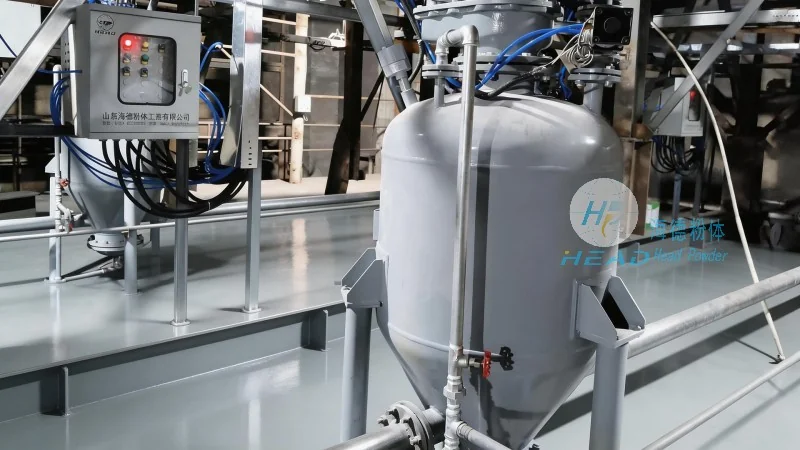
For small-scale or batch processes, gravity feed can be highly effective. It eliminates the need for electricity or external power sources, making it suitable for locations where energy costs are a concern or where power availability is limited. However, gravity feed systems have significant limitations. The most notable drawback is the dependency on the height difference between the storage tank and the processing point. If the tank is not elevated sufficiently, the flow rate may be too slow to meet production demands. Additionally, gravity feed is not suitable for high-viscosity methylcellulose, as the fluid may not flow adequately without sufficient pressure. This method also lacks the ability to control flow rate precisely, which can lead to inconsistent dosing and potential over or under-processing of the methylcellulose.
3. Mixing and Metering Systems: Ensuring Uniform Distribution in Complex Formulations
In many industrial applications, methylcellulose is used as part of a complex formulation that includes other ingredients. Mixing and metering systems are designed to ensure that methylcellulose is added uniformly and in the correct proportion. These systems often combine a pump with a metering valve or a dosing pump that can deliver precise volumes of methylcellulose into the mixing tank. The primary advantage of such systems is their ability to integrate with other processing equipment, allowing for automated and consistent addition of methylcellulose. This integration is crucial in pharmaceutical and food industries where regulatory compliance and product consistency are paramount.
Metering systems provide high accuracy in dosing, which is essential for maintaining the desired viscosity and stability of the final product. They can be programmed to deliver specific volumes at set intervals, reducing human error and ensuring batch-to-batch consistency. However, these systems are more complex and expensive than basic pumping or gravity feed setups. They require careful calibration and maintenance to ensure accurate metering. Additionally, the complexity of the system may increase the risk of downtime if a component fails. For industries that require high precision and regulatory compliance, the benefits of mixing and metering systems often outweigh the costs.
4. Manual and Mechanical Handling: Traditional Methods for Low-Volume Applications
For very small-scale or laboratory applications, manual and mechanical handling methods may still be used to deliver methylcellulose. This includes using shovels, scoops, or small mechanical conveyors to move the material from storage to processing. The primary advantage of these methods is their simplicity and low cost, as they do not require specialized equipment. They are also flexible and can be adapted to various storage containers, such as drums or bags.

Manual handling allows for direct control over the amount of methylcellulose added, which can be useful in small batches or when precise dosing is not critical. However, this method is labor-intensive and can lead to inconsistent results due to human error. It also poses safety risks, as methylcellulose can be dusty or have a slippery texture, increasing the risk of accidents. Mechanical conveyors, such as belt or screw conveyors, can help reduce labor but still have limitations. They are not suitable for high-viscosity methylcellulose and may cause shear degradation if the material is moved too quickly. These methods are generally suitable only for low-volume applications where the cost of specialized equipment is not justified.
Conclusion: Choosing the Right Methylcellulose Delivery Method
The choice of methylcellulose delivery method depends on several factors, including the viscosity of the material, the scale of the operation, the required flow rate, and the level of automation needed. Pumping systems are ideal for high-viscosity and large-scale applications, offering precision and control. Gravity feed is suitable for low-viscosity and small-scale operations, providing cost savings and simplicity. Mixing and metering systems are essential for complex formulations where uniform distribution and regulatory compliance are critical. Manual and mechanical handling methods remain relevant for very low-volume applications where specialized equipment is not necessary.
For industries seeking reliable and efficient methylcellulose delivery solutions, it is important to consider the specific requirements of their process and the advantages and disadvantages of each method. By doing so, they can select the most appropriate system that balances performance, cost, and operational needs. As a leading manufacturer of processing equipment, Shandong HeadPowder Engineering Co., Ltd. specializes in providing customized solutions tailored to the unique needs of each client, ensuring optimal performance and product quality in methylcellulose handling applications.

 Shandong Headpowder Engineering Co., Ltd.
 156-6277-7102(Quản lý Trương)
  0531-83386006
  Thành phố Tế Nam, Tỉnh Sơn Đông, Trung Quốc
Điện thoại
WeChatTư vấn
Lên đầu