Với hơn 10 năm kinh nghiệm về vận chuyển khí nén, Headpowder Sơn Đông cung cấp hệ thống, thiết bị và quạt gió toàn chuỗi, đảm nhận các dự án kỹ thuật bột trọn gói trên toàn quốc.
Chloroprene rubber, also known as neoprene, is a versatile material widely used in various industrial applications due to its excellent resistance to oil, chemicals, and weathering. The efficient and reliable transportation of chloroprene rubber from production sites to processing facilities is crucial for maintaining production efficiency and product quality. This article provides a detailed comparison of common chloroprene rubber conveying methods, helping industrial operators select the most suitable approach for their specific needs.
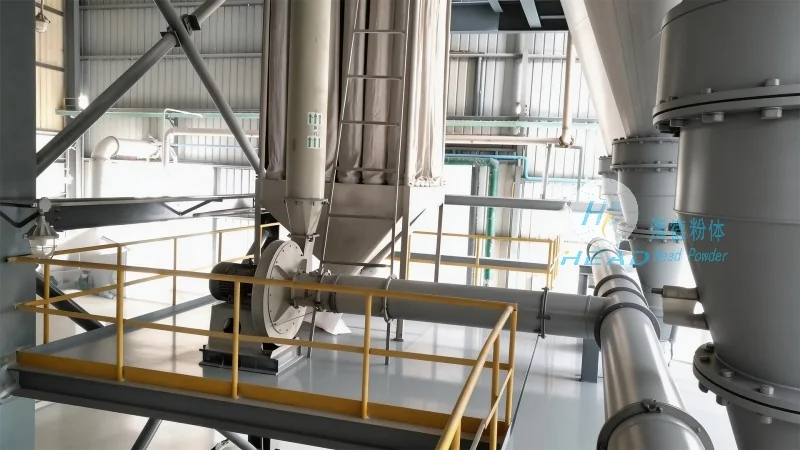
Introduction to Chloroprene Rubber Conveying
Chloroprene rubber is typically produced in large batches and needs to be transported to storage or processing areas. The choice of conveying method depends on factors such as material properties, production scale, distance, and environmental conditions. Common methods include mechanical conveyors, pneumatic systems, and hydraulic systems. Each method has its own advantages and limitations, which will be discussed in detail below.
1. Pumping Systems for Chloroprene Rubber
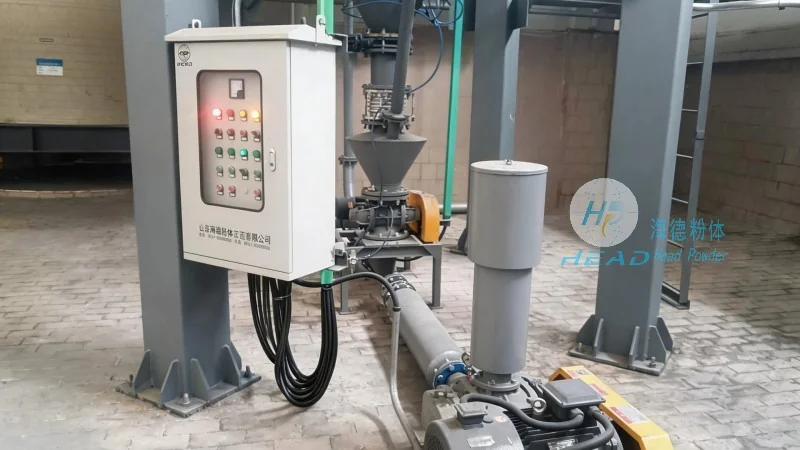
Pumping systems are widely used for the transport of chloroprene rubber, especially in applications where the material is in a semi-solid or viscous state. These systems typically use positive displacement pumps, such as rotary lobe or gear pumps, to move the rubber through pipelines. The key advantages of pumping systems include high efficiency, ability to handle high-viscosity materials, and minimal material degradation. They are particularly suitable for long-distance transport and can maintain a consistent flow rate. However, pumping systems require regular maintenance and may be more expensive to install compared to other methods. The use of specialized pumps designed for rubber handling is essential to prevent material contamination and equipment wear.
2. Screw Conveyors for Chloroprene Rubber
Screw conveyors, also known as auger conveyors, are another common method for transporting chloroprene rubber. These systems consist of a rotating screw inside a trough, which moves the material forward. Screw conveyors are ideal for horizontal or slightly inclined transport and are particularly effective for handling dry or granular rubber. They offer a simple and reliable design with low maintenance requirements. The speed and pitch of the screw can be adjusted to control the flow rate and prevent material bridging or clogging. However, screw conveyors may not be suitable for very high-viscosity or sticky rubber, as they can experience increased friction and wear. Proper lubrication and material conditioning are necessary to ensure smooth operation.
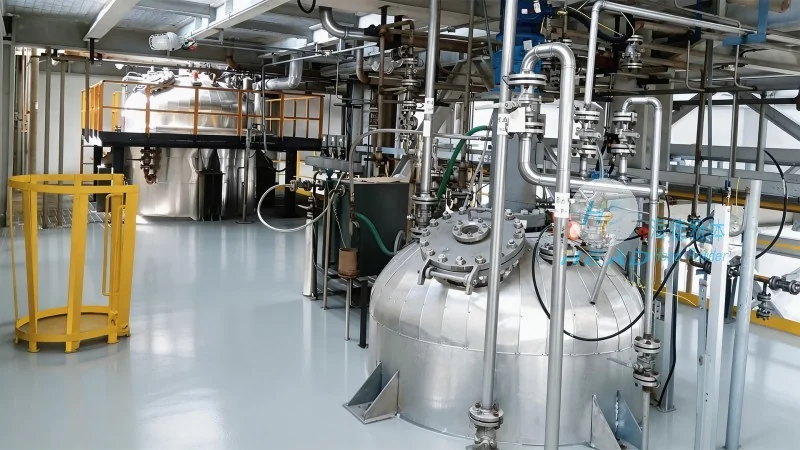
3. Pneumatic Conveying Systems
Pneumatic conveying systems use air or other gases to transport chloroprene rubber particles or granules through a pipeline. These systems can be categorized into pressure or vacuum types, depending on the application. Pneumatic systems are highly flexible and can handle a wide range of particle sizes and shapes. They are particularly useful for short to medium-distance transport and can be integrated with other processing equipment. The main advantages include low capital cost, ability to transport materials over vertical distances, and minimal material degradation. However, pneumatic systems may have lower efficiency compared to mechanical systems and can be affected by air pressure fluctuations. Proper filtration and air quality control are essential to prevent material contamination and equipment damage.
4. Hydraulic Conveying Systems
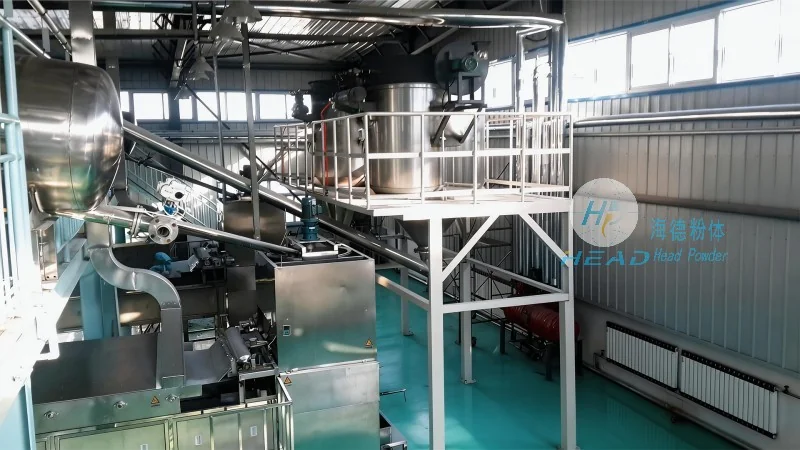
Hydraulic conveying systems use hydraulic fluid to transport chloroprene rubber through pipelines. These systems are typically used for high-pressure applications and can handle very viscous materials. They offer high power density and can maintain a consistent flow rate under varying load conditions. The main advantages include high efficiency, ability to handle extreme temperatures, and low noise operation. However, hydraulic systems require specialized equipment and regular maintenance, as hydraulic fluid can be expensive and may cause environmental concerns. Proper fluid management and system monitoring are necessary to ensure safe and reliable operation.
Company Profile: Shandong HeadPowder Engineering Co., Ltd.
Shandong HeadPowder Engineering Co., Ltd. is a leading manufacturer and supplier of industrial conveying equipment, including systems for chloroprene rubber transport. With years of experience in the rubber processing industry, HeadPowder provides high-quality, customized solutions tailored to the specific needs of its clients. The company's products are designed to meet international standards and are known for their durability, efficiency, and reliability. HeadPowder's team of engineers and technicians work closely with clients to understand their production requirements and recommend the most suitable conveying method. The company also offers after-sales support and maintenance services to ensure long-term system performance.
Conclusion and Recommendations
The choice of chloroprene rubber conveying method depends on various factors, including material properties, production scale, distance, and budget. Pumping systems are ideal for high-viscosity materials and long-distance transport, while screw conveyors are suitable for dry or granular rubber. Pneumatic systems offer flexibility and low cost for short to medium distances, and hydraulic systems are best for high-pressure applications. Industrial operators should evaluate their specific needs and consult with experts to select the most appropriate conveying method. By choosing the right system, they can improve production efficiency, reduce material loss, and ensure product quality. Shandong HeadPowder Engineering Co., Ltd. is a reliable partner for providing customized conveying solutions that meet the highest industry standards.

 Shandong Headpowder Engineering Co., Ltd.
 156-6277-7102(Quản lý Trương)
  0531-83386006
  Thành phố Tế Nam, Tỉnh Sơn Đông, Trung Quốc
Điện thoại
WeChatTư vấn
Lên đầu