Với hơn 10 năm kinh nghiệm về vận chuyển khí nén, Headpowder Sơn Đông cung cấp hệ thống, thiết bị và quạt gió toàn chuỗi, đảm nhận các dự án kỹ thuật bột trọn gói trên toàn quốc.
For industrial applications involving corn starch, selecting an efficient and reliable pneumatic conveying system is crucial. A well-designed system ensures smooth material handling, reduces operational costs, and enhances overall production efficiency. This article provides a comprehensive guide on designing a reasonable corn starch pneumatic conveying system, focusing on key considerations and best practices.
Understanding the Core Principles of Corn Starch Pneumatic Conveying
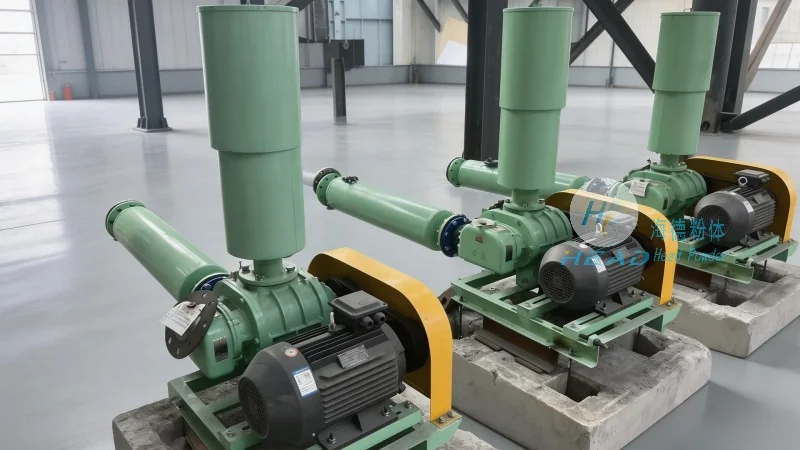
Before diving into system design, it's essential to grasp the fundamental principles of pneumatic conveying for corn starch. Pneumatic conveying uses air or gas to transport bulk materials like corn starch through a pipeline. The system typically consists of a material feed hopper, a conveyor line, and a discharge point. The choice between positive pressure and negative pressure systems depends on factors such as material properties, distance, and system complexity. Corn starch, being a fine powder, requires careful consideration of air velocity, pressure, and pipeline design to prevent blockages and ensure consistent flow.
Key Design Factors for an Effective Corn Starch Pneumatic Conveying System
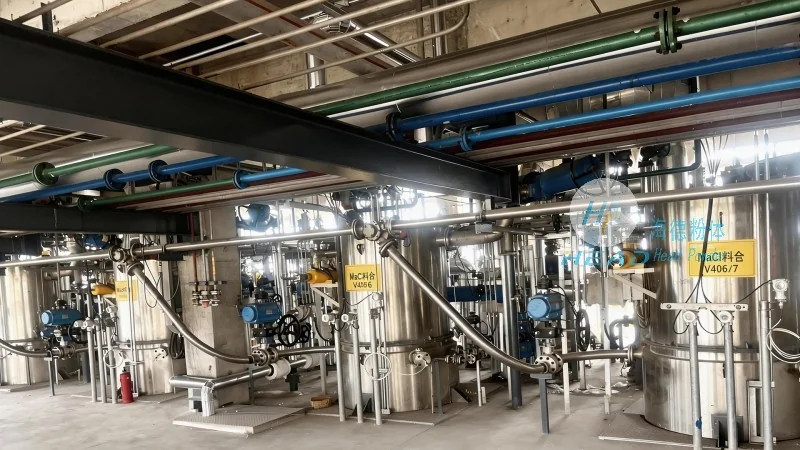
Several critical factors must be addressed when designing a corn starch pneumatic conveying system. First, the material's characteristics, including particle size, moisture content, and flowability, directly impact system performance. Corn starch particles are generally fine and can agglomerate, which may affect air flow and require additional equipment like vibrators or air classifiers to maintain optimal conditions. Second, the conveying distance and elevation changes need to be carefully calculated to determine the required air pressure and power. Longer distances or higher elevations demand higher pressure systems, such as positive pressure blowers, to maintain material transport. Third, the system's capacity and throughput must align with production requirements. This involves selecting the appropriate air volume and velocity to ensure the corn starch moves at a consistent rate without excessive energy consumption.
Components and Equipment Selection for Corn Starch Pneumatic Conveying
The effectiveness of a corn starch pneumatic conveying system relies heavily on the selection of appropriate components. The material feed hopper is a critical component, as it must handle the corn starch's flow characteristics and prevent clogging. A well-designed hopper with proper aeration and discharge mechanisms ensures consistent material feed. The conveyor line, typically made of stainless steel or other corrosion-resistant materials, must be smooth and free of sharp edges to avoid material degradation or blockages. For corn starch, which is hygroscopic, the pipeline should be insulated or heated to prevent moisture absorption and clumping. The air supply system, including blowers or vacuum pumps, must be capable of delivering the required pressure and flow rate. Positive pressure systems are commonly used for corn starch, as they provide better control over material flow and reduce the risk of dust contamination. The system may also include filters and cyclones to separate air from the corn starch, ensuring clean air discharge and preventing dust accumulation in the system.
Addressing Common Challenges in Corn Starch Pneumatic Conveying
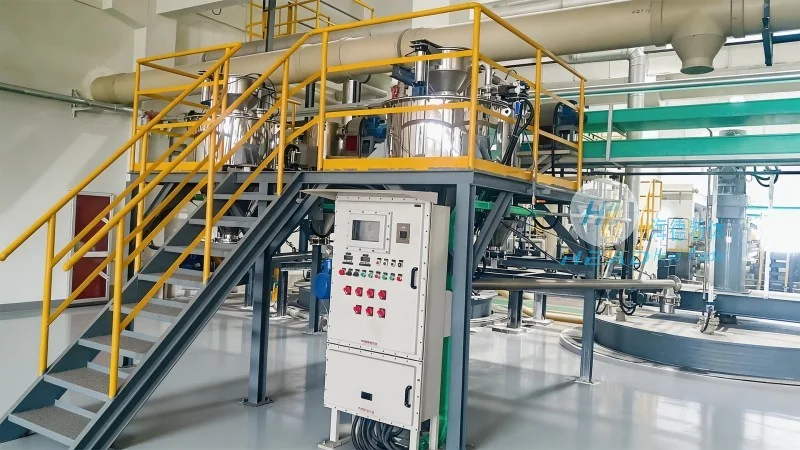
Designing a corn starch pneumatic conveying system involves overcoming several common challenges. One of the primary issues is the tendency of corn starch to form agglomerates, which can lead to blockages in the pipeline. To mitigate this, the system may include vibrators or air classifiers that break up clumps and maintain a consistent particle size. Another challenge is the risk of dust explosion, especially in systems handling fine powders. Proper explosion-proof design and the use of spark-proof equipment are essential to ensure safety. Additionally, the system must be designed to handle variations in corn starch quality, such as changes in moisture content or particle size, without compromising performance. Regular maintenance and monitoring of the system are also crucial to prevent unexpected failures and ensure long-term reliability.
Case Study: A Successful Corn Starch Pneumatic Conveying System Implementation by Shandong HeadPowder Engineering Co., Ltd.
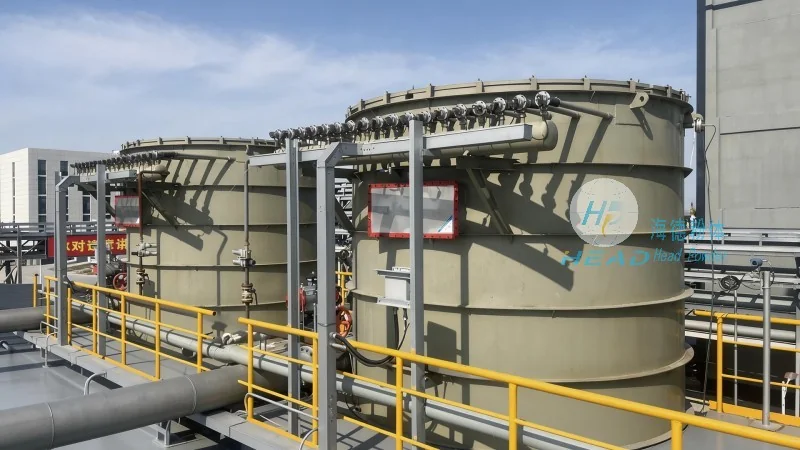
Shandong HeadPowder Engineering Co., Ltd., a leading provider of bulk material handling solutions, has successfully implemented numerous corn starch pneumatic conveying systems for clients across various industries. One notable project involved designing a system for a large corn starch manufacturer in China. The system was required to transport 10 tons of corn starch per hour over a distance of 50 meters with a 10-meter elevation change. The design team at HeadPowder conducted thorough material analysis to determine the optimal air velocity and pressure. They selected a positive pressure blower system with a capacity of 20,000 cubic meters per hour and a pressure of 0.8 bar. The pipeline was constructed from stainless steel with a diameter of 200 mm, and the hopper was equipped with an aeration system to prevent clogging. The system was installed and commissioned, achieving the required throughput with minimal energy consumption. The client reported significant improvements in production efficiency and reduced maintenance costs, highlighting the effectiveness of the designed system.
Conclusion: Optimizing Corn Starch Pneumatic Conveying for Industrial Success
Designing a reasonable corn starch pneumatic conveying system requires a comprehensive understanding of material properties, system components, and operational requirements. By addressing key factors such as material characteristics, conveying distance, and equipment selection, industrial facilities can achieve efficient and reliable material handling. Shandong HeadPowder Engineering Co., Ltd. specializes in providing tailored solutions for corn starch and other bulk materials, ensuring that clients receive systems that meet their specific needs and enhance their overall operational performance. With a focus on quality and innovation, HeadPowder continues to deliver effective pneumatic conveying solutions that contribute to industrial success.

 Shandong Headpowder Engineering Co., Ltd.
 156-6277-7102(Quản lý Trương)
  0531-83386006
  Thành phố Tế Nam, Tỉnh Sơn Đông, Trung Quốc
Điện thoại
WeChatTư vấn
Lên đầu