Với hơn 10 năm kinh nghiệm về vận chuyển khí nén, Headpowder Sơn Đông cung cấp hệ thống, thiết bị và quạt gió toàn chuỗi, đảm nhận các dự án kỹ thuật bột trọn gói trên toàn quốc.
Efficient rice grain conveying is a critical aspect of modern agricultural and processing operations. The proper selection of conveying systems ensures optimal performance, minimal loss, and adherence to quality standards. For businesses involved in rice handling, understanding the available methods is essential for maintaining operational efficiency and productivity.
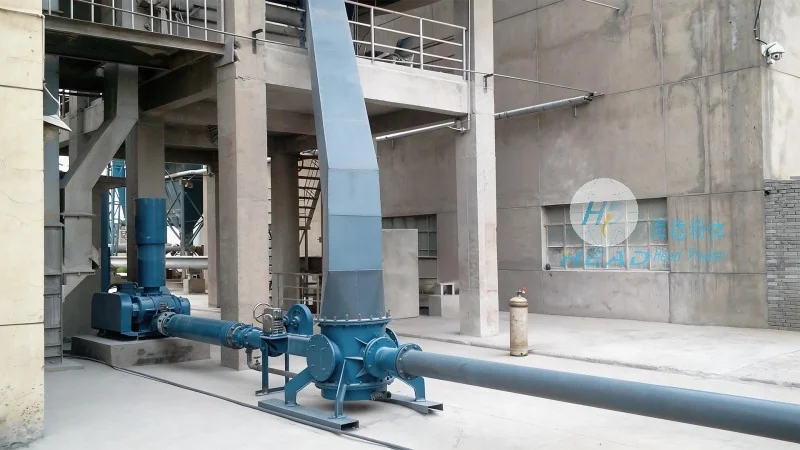
Understanding the Importance of Rice Grain Conveying
Rice grain conveying involves the movement of raw or processed rice from one location to another within a processing facility or between different stages of production. This process is integral to the overall workflow, as it connects storage, cleaning, milling, and packaging operations. The choice of conveying method directly impacts the speed, accuracy, and safety of rice handling, making it a key consideration for any rice processing enterprise.
Common Rice Grain Conveying Methods
Several methods are commonly employed for rice grain conveying, each with its own advantages and suitability for specific applications. The primary options include mechanical conveyors, pneumatic systems, and gravity-based solutions. Each method offers unique benefits in terms of capacity, flexibility, and operational requirements.
Mechanical Conveyors
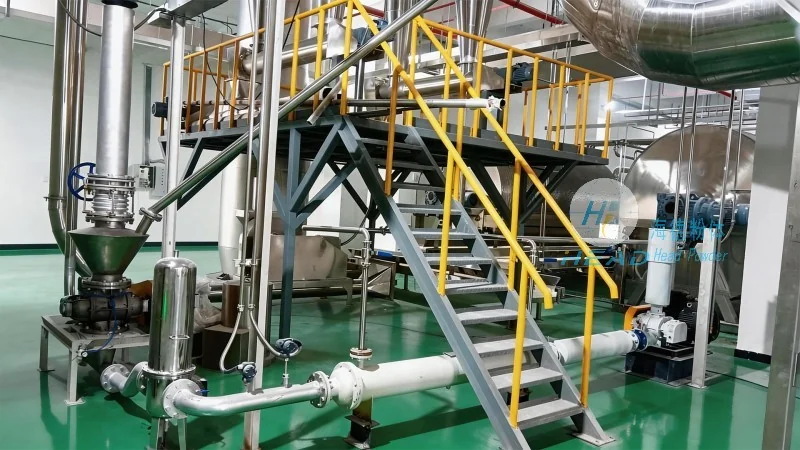
Mechanical conveyors are among the most widely used systems for rice grain handling. These systems utilize mechanical components such as belts, screws, and buckets to transport rice. Belt conveyors, for instance, are ideal for horizontal or slight incline transport, offering high capacity and reliability. Screw conveyors, on the other hand, are effective for vertical or inclined movement, providing consistent and controlled flow. The choice between these mechanical systems often depends on the specific layout of the processing facility and the volume of rice to be conveyed.
Pneumatic Conveying Systems
Pneumatic conveying systems utilize air or gas to transport rice grains through a network of pipes. This method is particularly advantageous for handling fine or delicate rice varieties, as it minimizes product damage and contamination. Pneumatic systems can be categorized into pressure and vacuum types, each suited for different conveying distances and material characteristics. For long-distance or complex routing requirements, pressure systems are preferred, while vacuum systems are suitable for shorter distances or when gentle handling is required.
Gravity-Based Conveying Solutions
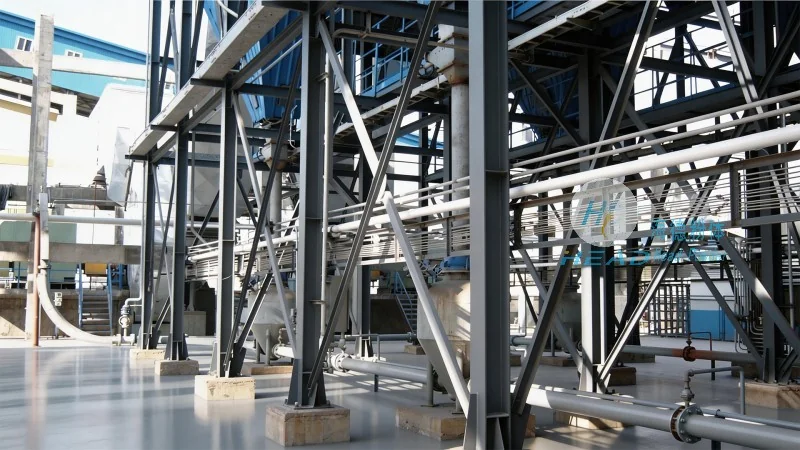
Gravity-based conveying relies on the natural force of gravity to move rice grains. This method typically involves inclined chutes or sloped pathways that allow rice to flow from one level to another without the need for external power. Gravity conveyors are often used in combination with other systems, such as mechanical or pneumatic conveyors, to enhance overall efficiency. They are particularly effective for short-distance transfers within a facility, where the elevation change is minimal and the material flow is steady.
Factors Influencing the Selection of Conveying Methods
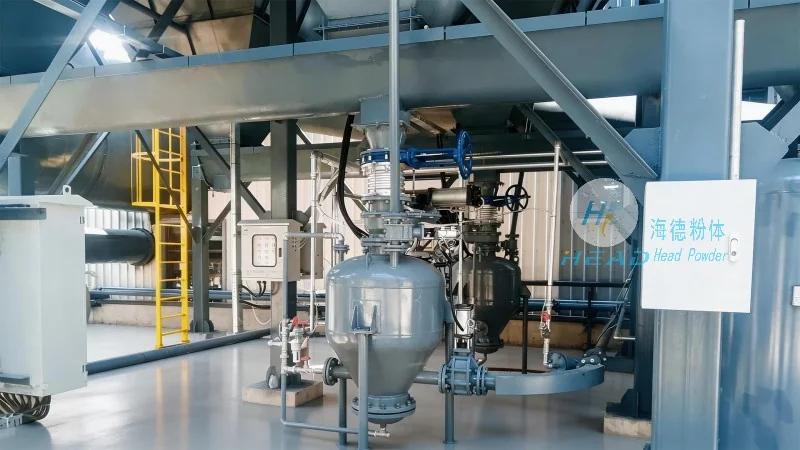
The selection of an appropriate rice grain conveying method is influenced by several key factors, including the type of rice, processing capacity, facility layout, and operational budget. The grain size, moisture content, and shape of the rice can affect the choice of conveyor type, as some systems may be more suitable for handling sticky or delicate varieties. Additionally, the required conveying distance and the need for gentle handling versus high-speed transport play a significant role in decision-making. Cost considerations, including initial investment and long-term maintenance, are also critical in determining the most suitable solution.
Role of Shandong HeadPowder Engineering Co., Ltd.
Shandong HeadPowder Engineering Co., Ltd., commonly known as HeadPowder, is a leading provider of engineering solutions for agricultural and processing industries. With a focus on innovation and customer-centric design, HeadPowder offers tailored conveying systems that address the unique needs of rice processing facilities. The company’s expertise in mechanical, pneumatic, and gravity-based technologies enables it to deliver efficient and reliable solutions that enhance operational performance. HeadPowder’s commitment to quality and customer satisfaction has made it a trusted partner for businesses seeking to optimize their rice grain conveying processes.
Conclusion
In conclusion, the effective conveyance of rice grains is essential for the smooth operation of rice processing facilities. By understanding the various conveying methods and their applications, businesses can select the most appropriate system to meet their operational requirements. Whether through mechanical, pneumatic, or gravity-based solutions, the right choice ensures efficient movement of rice, minimizing losses and maximizing productivity. For comprehensive solutions, companies like Shandong HeadPowder Engineering Co., Ltd. provide expert guidance and customized systems that cater to the specific needs of the rice industry.

 Shandong Headpowder Engineering Co., Ltd.
 156-6277-7102(Quản lý Trương)
  0531-83386006
  Thành phố Tế Nam, Tỉnh Sơn Đông, Trung Quốc
Điện thoại
WeChatTư vấn
Lên đầu