Với hơn 10 năm kinh nghiệm về vận chuyển khí nén, Headpowder Sơn Đông cung cấp hệ thống, thiết bị và quạt gió toàn chuỗi, đảm nhận các dự án kỹ thuật bột trọn gói trên toàn quốc.
Calcium carbonate powder is a widely used industrial material in various sectors, including plastics, paper, and construction. Efficient and reliable conveying methods are crucial for ensuring smooth production processes and maintaining product quality. This article explores several effective methods for calcium carbonate powder conveying, providing insights into the most suitable options for different industrial applications.
Understanding the Importance of Proper Calcium Carbonate Powder Conveying
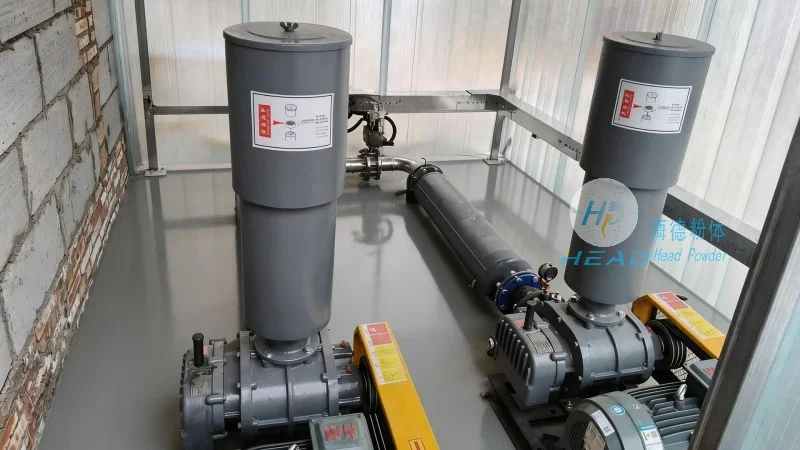
Before delving into specific conveying methods, it's essential to understand why proper handling of calcium carbonate powder is vital. Calcium carbonate is often used in powdered form, requiring careful transport to avoid dust generation, caking, or loss of material. Inadequate conveying systems can lead to operational inefficiencies, increased maintenance costs, and potential safety hazards. Therefore, selecting the right conveying method is a critical decision for manufacturers.
Common Conveying Methods for Calcium Carbonate Powder
Several methods are commonly employed for calcium carbonate powder conveying, each with its own advantages and applications. The choice of method depends on factors such as the powder's properties, the distance to be conveyed, the required flow rate, and the environmental conditions. Below are some of the most effective options:
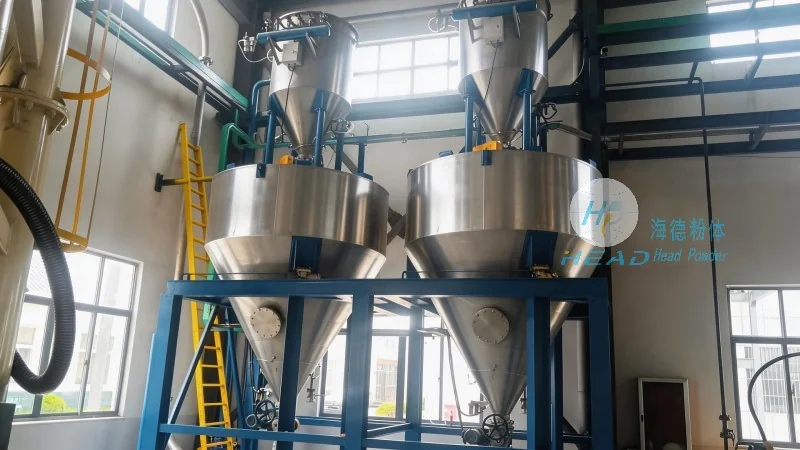
1. Pneumatic Conveying Systems
Pneumatic conveying, also known as air conveying, is a popular method for transporting calcium carbonate powder. This system uses compressed air to move the powder through a pipeline. There are two main types of pneumatic conveying: dilute phase and dense phase. Dilute phase systems are suitable for short distances and low to medium flow rates, while dense phase systems are ideal for longer distances and higher flow rates. Pneumatic conveying offers advantages such as low maintenance, the ability to handle abrasive materials, and the prevention of cross-contamination. However, it requires proper air filtration to manage dust and may need additional equipment for air compression.
2. Screw Conveyors
Screw conveyors, also known as auger conveyors, are another effective method for calcium carbonate powder conveying. These systems consist of a rotating screw inside a trough, which moves the powder along the length of the conveyor. Screw conveyors are suitable for horizontal or slightly inclined transport and can handle a wide range of powder types, including calcium carbonate. They are relatively simple in design, easy to install, and can be used in various industrial settings. However, they may not be suitable for very long distances or high flow rates, as the screw can experience wear and tear over time. Additionally, they require regular maintenance to ensure smooth operation.
3. Belt Conveyors
Belt conveyors are widely used in bulk material handling, including calcium carbonate powder. These systems use a continuous belt to transport the powder from one point to another. Belt conveyors are suitable for both horizontal and inclined transport and can handle large volumes of material. They are particularly effective for long-distance conveying and can be integrated with other equipment, such as feeders and classifiers. Belt conveyors offer advantages such as high capacity, low maintenance, and the ability to handle abrasive materials. However, they require proper belt tensioning and alignment to prevent slippage or damage. Additionally, they may need additional equipment for dust control and material cleaning.
4. Bucket Elevators
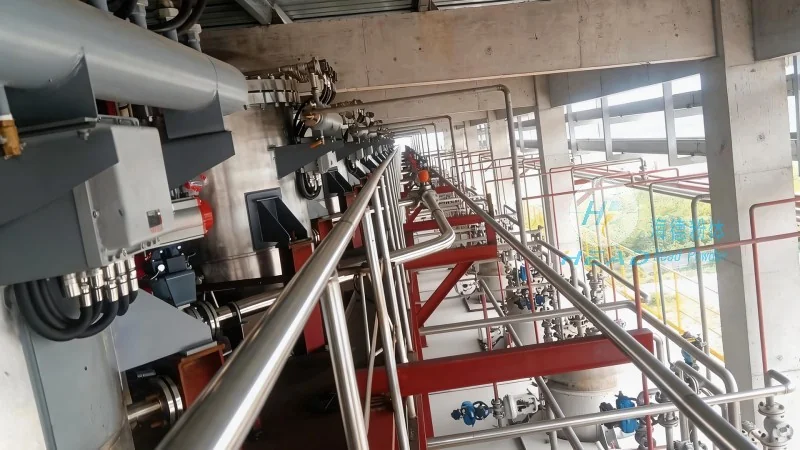
Bucket elevators are a type of vertical conveyor system used for transporting calcium carbonate powder. These systems consist of a series of buckets attached to a chain or belt, which moves the powder upward. Bucket elevators are ideal for vertical transport and can handle high flow rates. They are commonly used in industries where vertical movement is necessary, such as in feed mills or chemical plants. Bucket elevators offer advantages such as high efficiency, low power consumption, and the ability to handle abrasive materials. However, they require regular maintenance to ensure the buckets and chains are in good condition. Additionally, they may need additional equipment for dust control and material discharge.
5. Hydraulic Conveying
Hydraulic conveying is a less common method for calcium carbonate powder but is used in some applications. This system uses a liquid medium, such as water or oil, to transport the powder through a pipeline. Hydraulic conveying is suitable for long distances and high flow rates and can handle abrasive materials. However, it requires additional equipment for liquid management and may not be suitable for all applications due to the need for proper filtration and disposal of the liquid medium.
Choosing the Right Conveying Method for Calcium Carbonate Powder
When selecting a conveying method for calcium carbonate powder, several factors must be considered. The first is the powder's properties, such as its particle size, moisture content, and flowability. For example, fine powders may require more careful handling to avoid caking or dust generation. The second factor is the distance to be conveyed and the required flow rate. Short distances and low flow rates may be suitable for screw conveyors or belt conveyors, while longer distances and higher flow rates may require pneumatic or hydraulic systems. The third factor is the environmental conditions, such as the presence of dust or the need for explosion-proof equipment. Finally, the cost of the system and its maintenance requirements should be considered. By evaluating these factors, manufacturers can choose the most suitable conveying method for their specific needs.

 Shandong Headpowder Engineering Co., Ltd.
 156-6277-7102(Quản lý Trương)
  0531-83386006
  Thành phố Tế Nam, Tỉnh Sơn Đông, Trung Quốc
Điện thoại
WeChatTư vấn
Lên đầu