Với hơn 10 năm kinh nghiệm về vận chuyển khí nén, Headpowder Sơn Đông cung cấp hệ thống, thiết bị và quạt gió toàn chuỗi, đảm nhận các dự án kỹ thuật bột trọn gói trên toàn quốc.
When it comes to the delivery of lithium hexafluorophosphate (LiPF6), a critical component in lithium-ion battery electrolytes, manufacturers often face the challenge of selecting the most suitable method. LiPF6 is a highly hygroscopic and reactive material, making its handling and transportation require specialized equipment and processes. This article provides an overview of the common LiPF6 delivery methods, examining their respective advantages and disadvantages to help businesses make informed decisions.
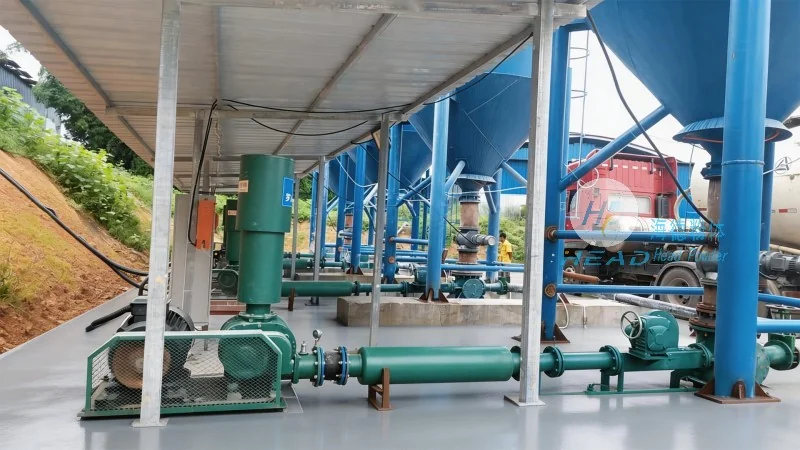
Understanding LiPF6 and Its Importance in Battery Manufacturing
Lithium hexafluorophosphate is a key electrolyte salt used in lithium-ion batteries, responsible for facilitating ion transport between the anode and cathode. Its performance directly impacts the battery's voltage, capacity, and overall stability. Due to its hygroscopic nature, LiPF6 must be handled in a dry, inert environment to prevent degradation. This characteristic makes the choice of delivery method a critical factor in maintaining product quality and safety.
Common LiPF6 Delivery Methods
1. Bulk Tanker Delivery
Bulk tanker delivery involves transporting LiPF6 in large, sealed containers, typically at low temperatures to maintain its stability. This method is commonly used for large-scale industrial applications, offering high throughput and cost-effectiveness for manufacturers with substantial production needs. The primary advantage of bulk tanker delivery is its ability to handle large volumes efficiently, reducing the number of individual deliveries required. However, this method also presents challenges, such as the need for specialized storage and handling equipment to prevent moisture ingress and ensure the material remains in a stable state. Additionally, bulk delivery may require longer lead times due to the logistics involved in coordinating with transport providers.
2. Drum or Containerized Delivery
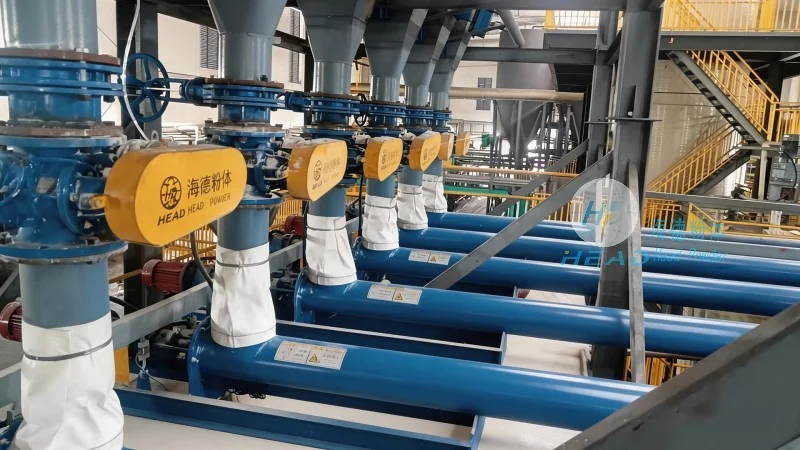
Drum or containerized delivery involves shipping LiPF6 in smaller, portable containers, such as steel drums or plastic containers. This method is suitable for medium to small-scale operations, providing flexibility in handling and storage. The advantages of this approach include easier transportation to specific production sites and reduced risk of damage during transit, as smaller containers are less susceptible to mechanical stress. However, the main disadvantage is the higher cost per unit compared to bulk tanker delivery, as smaller volumes result in lower economies of scale. Additionally, managing inventory and ensuring proper storage conditions for multiple smaller containers can be more labor-intensive and require more space.
3. Cryogenic Delivery
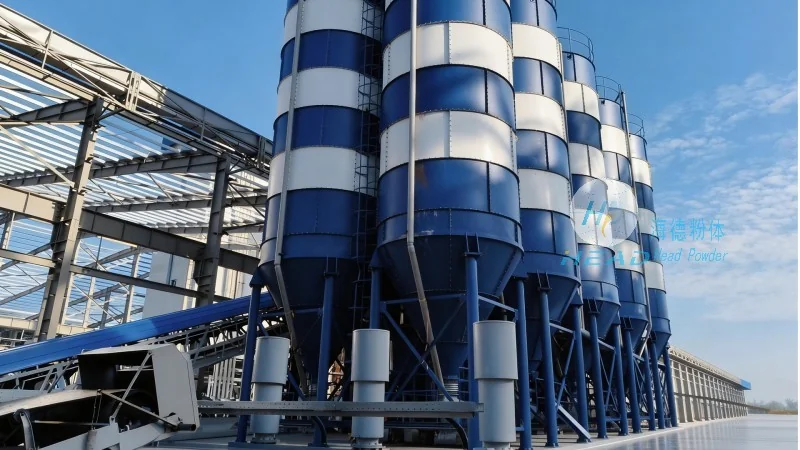
Cryogenic delivery involves transporting LiPF6 in a frozen state using specialized equipment, such as cryogenic tanks or insulated containers. This method is particularly useful for maintaining the material's stability during long-distance transportation, as it prevents moisture absorption and chemical degradation. The primary advantage of cryogenic delivery is its ability to preserve the quality of LiPF6 over extended periods, ensuring that the material remains in optimal condition upon arrival. However, this method is more complex and expensive, requiring specialized infrastructure and personnel trained in cryogenic handling. The cost of maintaining low temperatures and the additional equipment needed can make this option less viable for smaller operations.
4. Customized Packaging Solutions
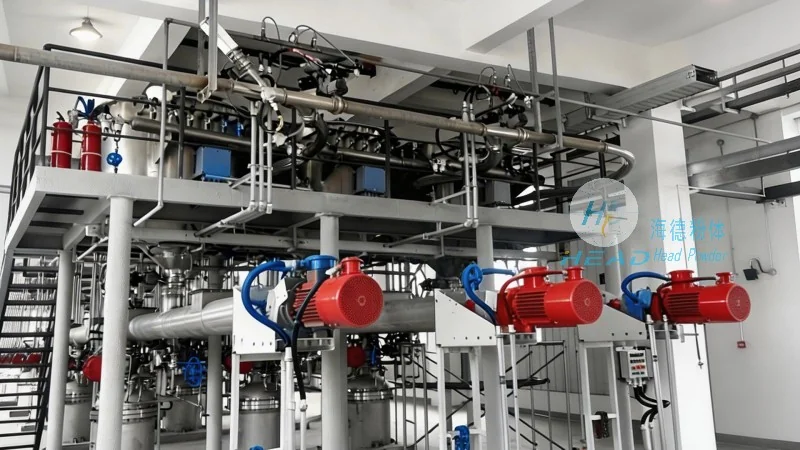
Customized packaging solutions involve using specialized containers designed specifically for LiPF6, such as hermetically sealed stainless steel containers with integrated desiccant systems. This approach is often used for high-purity applications or when strict quality control is required. The advantages of customized packaging include enhanced protection against moisture and contamination, ensuring the material's purity and performance. However, this method is typically more expensive due to the specialized design and materials used. Additionally, the logistics of handling and storing these specialized containers may require additional training and equipment for the receiving facility.
Advantages and Disadvantages Summary
Each LiPF6 delivery method has its own set of advantages and disadvantages, which must be carefully evaluated based on the specific needs of the manufacturer. Bulk tanker delivery offers cost-effectiveness and high throughput but requires specialized infrastructure. Drum or containerized delivery provides flexibility and ease of handling but at a higher cost per unit. Cryogenic delivery ensures material stability but is more complex and expensive. Customized packaging solutions offer enhanced protection but come with higher costs. The choice of delivery method should align with factors such as production scale, budget, and the need for material purity and stability.
Conclusion
Choosing the right LiPF6 delivery method is a critical decision for manufacturers in the lithium-ion battery industry. By understanding the advantages and disadvantages of each approach, businesses can optimize their supply chain, ensure product quality, and maintain operational efficiency. For companies seeking reliable and specialized LiPF6 delivery solutions, Shandong HeadPowder Engineering Co., Ltd. (headpowder) offers tailored services to meet diverse operational needs. With a focus on quality and customer satisfaction, headpowder provides comprehensive support for the safe and efficient delivery of LiPF6, helping manufacturers achieve their production goals while maintaining the highest standards of product integrity.

 Shandong Headpowder Engineering Co., Ltd.
 156-6277-7102(Quản lý Trương)
  0531-83386006
  Thành phố Tế Nam, Tỉnh Sơn Đông, Trung Quốc
Điện thoại
WeChatTư vấn
Lên đầu